Slipper lining specification
2026-10-28 · Materials, Lining, Sample approval
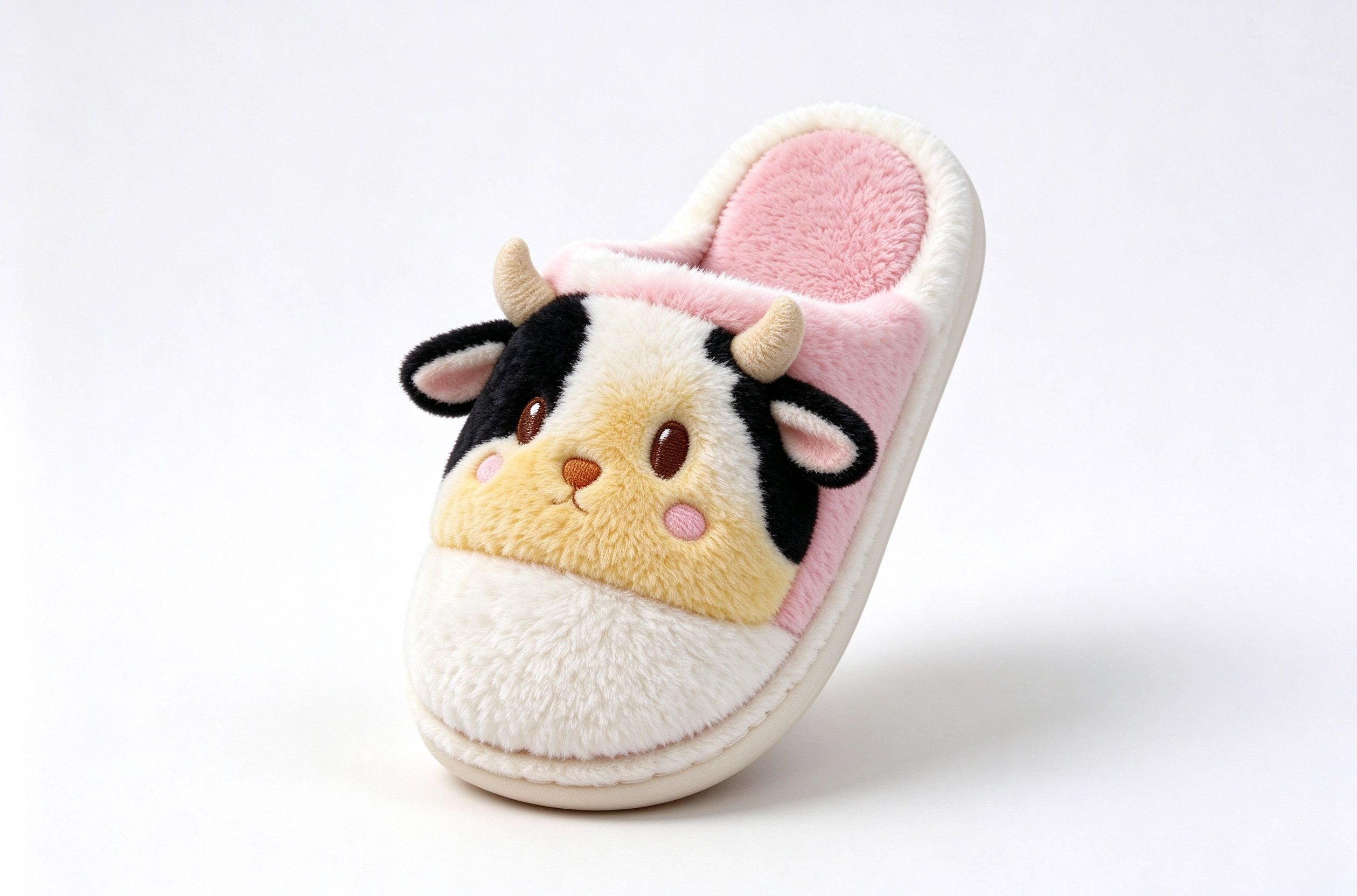
Specify cotton and plush slipper linings by fibre content, fabric construction, pile, seams and care requirements, then approve a labelled swatch and a finished sample together.
Specify slipper linings by fibre content, construction, pile and care requirements. This checklist helps buyers compare cotton and plush options, approve samples and record what bulk production must match.
Separate fibre names from surface descriptions
A useful material brief answers two different questions: what is the textile made from, and how is its surface constructed? Cotton describes a fibre. Plush describes a raised pile surface, so a plush appearance does not identify the fibre composition. Ask for the actual blend rather than accepting a description such as soft fabric or winter lining.
Cotton Incorporated treats fibre types and pile fabric structures separately in its textile learning resources. That distinction is useful when preparing a slipper enquiry: record the upper, inner lining and foot-contact layer separately. Do not assume that a cotton description applies to every component of the finished shoe.
Slipper lining specification begins with a component list. Give each lining option a reference code and write down the declared fibre composition, construction and intended position. Keep decorative outer fabric separate from the material touching the foot, even when both look similar in a photograph.
Describe the sample in terms another person can repeat
Attach a labelled swatch to the brief. Add a close photograph showing the face, backing and edge; include a scale where dimensions matter. If pile height, fabric mass or shade is important to the design, ask the supplier to state how each will be measured. Agree the method and acceptance limits before comparing quotations.
- Component: collar lining, vamp lining or footbed cover.
- Material: declared fibre content and the supplier's swatch reference.
- Surface: smooth, looped, brushed or cut pile, as applicable.
- Appearance: approved colour reference, pile direction and backing colour.
- Control: measurement method, agreed tolerance and retained sample identity.
This record prevents two visually similar samples being treated as interchangeable without a discussion. It also leaves room for an alternative material: list the proposed change beside the original instead of silently replacing the approved reference.
Compare finished slippers under the same conditions
A loose swatch cannot show how a seam, collar or footbed will feel after assembly. Ask for the lining alternatives in the same slipper design and labelled size where practical. Compare the seam positions, openings and foot-contact surfaces. Record a specific observation, such as a raised seam at the toe, rather than writing only good or bad.
Slipper lining specification should also distinguish a sample observation from a verified performance claim. A soft hand feel does not establish a warmth rating, washability or durability result. If one of those properties is essential, agree a relevant test with the supplier and request a report identifying the material or finished construction assessed.
Agree care instructions for the whole assembly
The lining is only one part of the slipper. Ask how the upper, padding, sole attachment and any decoration should be cleaned together. Do not copy a textile swatch's care instructions onto the finished product without confirming suitability for the complete construction.
If laundering is part of the intended use, request an agreed sample care trial. Record the method, drying conditions and visible changes, and compare the same measurement points before and afterwards. Do not invent a universal shrinkage allowance or promise that every cotton or plush slipper can be machine washed.
Close the approval record before ordering
Keep the selected swatch, finished sample, photographs and written comments under one revision number. If a lining changes after approval, identify which checks must be repeated. This is especially useful when the colour remains the same but the backing, pile or blend changes.
Slipper lining specification is ready for a purchase brief when the buyer and supplier can identify the same material, sample and care requirements without relying on a sales name. Send those references with your quantities and destination through our sample development service or enquiry page.
Textile background: CottonWorks fibre guide and CottonWorks pile fabric explanations. References checked on 28 October 2026. The checklist above is practical purchasing guidance; it does not describe a test performed on the illustrated slipper or verify its fibre content.