Slipper fit sample checks
2026-10-28 · Sampling, Size checks, Wholesale buying
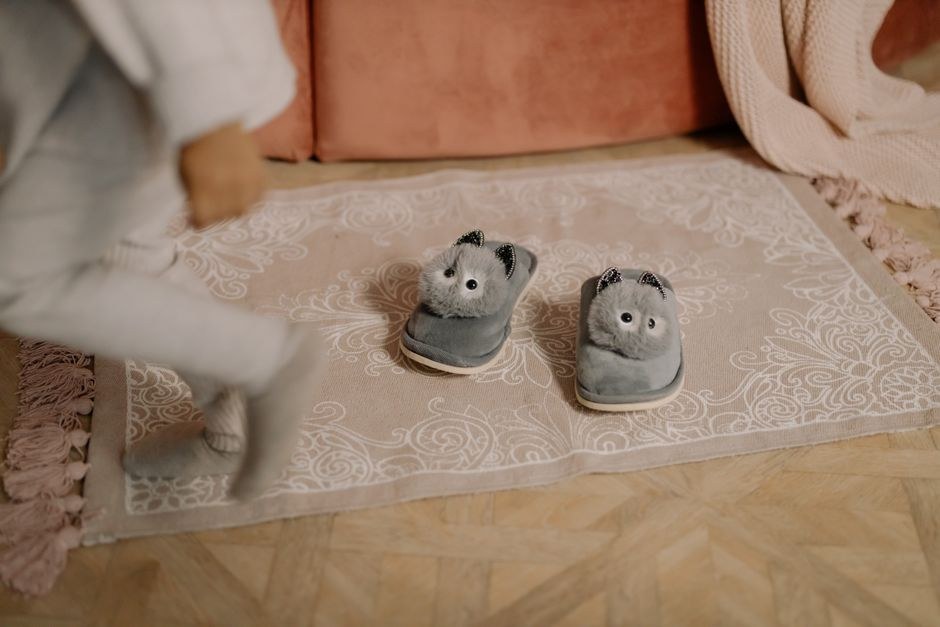
Check slipper fit with recorded foot measurements, consistent socks and the actual finished samples. Separate body measurements from product dimensions and approve a size set before bulk ordering.
Check slipper fit using measured feet, consistent wearing conditions and finished samples. Record toe space, width, opening and heel behaviour, then approve a size set rather than relying on a printed size label.
Define the intended wearer and wearing conditions
Before asking for a size set, state whether the range is intended for adults or children, which market's labels will be used, and whether the slippers are expected to be worn with socks. Keep open-back and enclosed-heel designs in separate fitting records: their openings and heel arrangements are different.
Use a named sample and revision, not a photograph alone. A sample record should identify the style, labelled size, lining option and sole version. If a component changes during development, retain that information beside the fitting comments so an earlier approval cannot be mistaken for approval of the revised pair.
Slipper fit sample checks begin with the wearer's measurements and the product's identity recorded separately. A number printed on a slipper is a label, while a foot measurement describes the wearer. Avoid presenting the outsole length or the removable insole length as though it were automatically the intended foot length.
Measure both feet and record the method
The Brannock Device Company advises measuring both feet and fitting the larger one; its instructions also distinguish length, arch length and width. Use the instructions appropriate to the measuring equipment. For a purchasing record, note the equipment, units, date and wearing conditions instead of recording only a size number.
Keep a column for each foot where practical. Record the socks used for the fitting session and keep those conditions consistent when comparing sample revisions. A repeatable method is more useful than adding a guessed allowance to a measurement and treating the result as a universal conversion.
Check more than room in front of the toes
Ask the wearer to try both slippers. Check whether the toes feel crowded, whether the sides feel restrictive, and whether the opening allows the slipper to be put on and removed as intended. Note the location of any pressure from seams or decoration. Use plain observations that another reviewer can understand.
Slipper fit sample checks need a separate comment for heel behaviour. An open-back slipper should not be assessed as though it has the retention of an enclosed shoe. For a closed-heel design, describe unwanted movement or pressure specifically. Do not label the sample correctly sized solely because its length looks acceptable on a ruler.
- Toe area: room and pressure reported while wearing both samples.
- Width: location of tightness or unwanted movement.
- Opening: ease of entry with the intended socks.
- Heel: behaviour appropriate to the open or enclosed design.
- Seams: position and any discomfort reported by the wearer.
Use a size set to test the proposed range
One middle-size sample cannot confirm every labelled size. Agree which sizes need a finished sample and review the proposed chart alongside those samples. Include sizes at the ends of the planned range where practical. When a sample does not fit the intended wearer, record the observation before proposing a new label or dimension.
If the fit problem concerns width, opening or lining bulk, changing the length alone may not address it. Ask the supplier to explain the proposed adjustment and identify the affected measurement points. Recheck the revised sample using the same record so the decision is based on comparable observations.
Approve the chart and the sample together
Keep the finished sample, fit comments and size chart under the same revision. State what each chart column represents and avoid unverified conversion tables copied from an unrelated brand. Distinguish the intended wearer measurements from any finished-product measurements used for production control.
Slipper fit sample checks finish with a written decision for each reviewed size: approved, revise or not yet assessed. List any sizes still missing and the changes that require another fitting. Share the record through our custom sample service before confirming a bulk order; use the contact page to send your style reference and proposed size range.
Measurement reference: Brannock Device Company instructions and fitting tips, checked on 28 October 2026. The workflow above is a suggested buyer approval record, not a universal size conversion or a report that the illustrated style has undergone these checks.