Sourcing Cotton Slippers: How to Vet a Factory's Production Capacity
2026-10-20 · sourcing,capacity,audit,manufacturing,buyer-guide
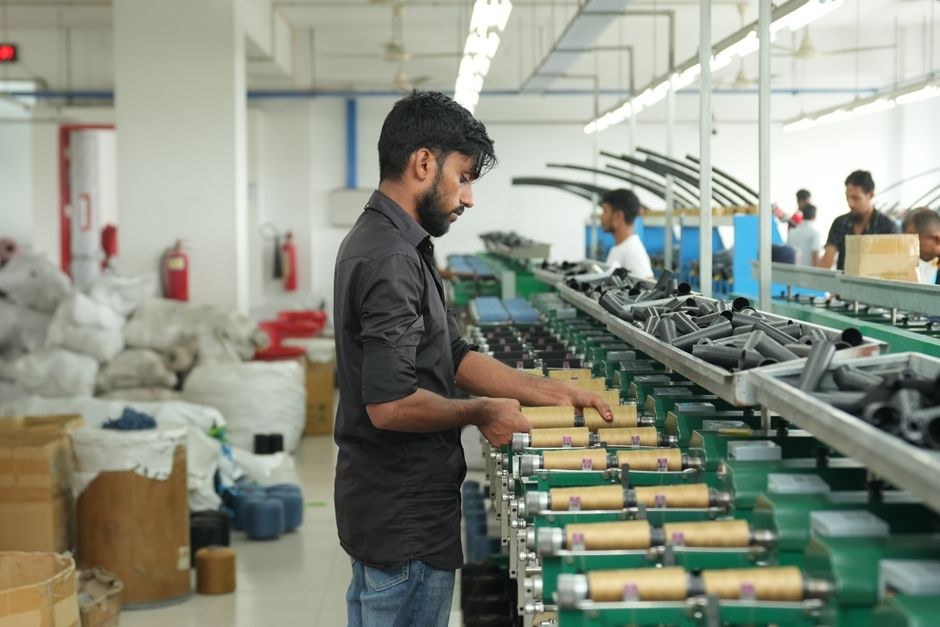
When sourcing cotton slippers, a factory's real capacity matters more than its quoted MOQ. Here's how to audit equipment, scheduling, and workforce before you commit.
Ask a cotton slippers manufacturer how many pairs they can produce per month and you will get a number. That number is the least useful piece of information in the conversation. What matters is whether the factory can hit that number in the month you need it, with the quality you approved, while serving other buyers. Capacity is not a headline figure; it is a mix of equipment, scheduling discipline, and workforce depth. Get those three right and the quoted output becomes credible.
Equipment: Count machines, not brochures
Every factory brochure shows rows of stitching machines. Few show the maintenance log. When you audit a cotton slipper factory, ask to see the actual production floor and count the machines that are running your type of product. A factory with fifty machines may only have twenty set up for plush uppers and the rest dedicated to a different product line. That distinction changes your real available capacity.
Look for the bottlenecks, not the headcount. In cotton slipper production, the constraint is rarely the sewing line. It is often the cutting department, the sole-attaching station, or the final pressing and packing area. A factory with abundant sewing capacity but one sole-attaching machine will not scale. Ask what happens when a large order lands: which station becomes the queue? If the answer is vague, you have your answer.
- Count machines configured for your upper material and sole type, not total machines.
- Ask for the maintenance schedule and the date of the last service on key equipment.
- Identify the single station that limits output and ask how they manage it at peak.
- Check whether cutting is automated or manual, and how many layers they can cut at once.
Equipment audits are not about sophistication for its own sake. A factory with older but well-maintained machines and a clear maintenance routine is often more reliable than one with new equipment and no service record. What you are testing is whether the factory knows its own constraints.
Scheduling: Can they protect your delivery window?
A factory's production schedule is a more honest document than its capacity statement. Ask to see a current schedule, with buyer names or codes removed if necessary. You want to see how far out they are booked, how many orders run concurrently, and whether there is any white space around your target ship date. A factory that is fully booked for the next three months is not necessarily a bad choice, but you need to know where your order sits in the queue.
Ask a direct question: if I place a house slippers wholesale order for delivery in week 32, what has to be true for that to happen? A good manufacturer will walk you through the dependencies—material arrival, sample approval, line changeover, and inspection slots. A weak one will simply say yes. The follow-up question is what happens when a prior order slips. If the answer is that your order absorbs the delay, you have learned something important about priority.
Capacity is not what a factory can produce in a perfect month. It is what they can protect when the month is not perfect.
Scheduling discipline shows up in small details. Does the factory use a digital planning board or a whiteboard? Either can work, but the board should be updated and visible. Do they track on-time delivery for existing buyers? Ask for the last quarter's figure. If they cannot produce it, they are not measuring it, and what is not measured tends to slip.
Workforce: Depth matters more than headcount
A production line is only as stable as its people. High turnover is a quiet capacity risk: a factory that loses and replaces a third of its sewing staff every quarter will struggle to hold quality and pace on a repeat order. During a factory visit, ask how long the line supervisors have been with the company and how they train new operators. You are looking for tenure in the supervisory layer and a structured training process, not a promise that everyone is experienced.
Seasonality complicates workforce planning for winter slippers. Factories ramp up before peak season and may add temporary workers. That is normal, but it affects quality consistency. Ask how temporary staff are supervised and whether they work on the same lines as permanent staff or on separate lines. A factory that segregates new workers on simpler operations until they are proven is showing you its quality system in action.
Also ask about overtime patterns. A factory that runs heavy overtime year-round may be overcommitted, which is a capacity warning. A factory that runs predictable overtime before peak season is planning. The difference shows up in your delivery date.
What to verify before you commit
You do not need a formal audit firm to vet capacity on a first order. You need a structured conversation and a few documents. Before you place a cotton slippers manufacturer order, confirm the following:
- Production capacity for your specific product type, not total factory output. Ask for the monthly figure for your upper material and sole construction.
- Current order book and the nearest available start date for a new order of your size.
- Bottleneck station and the factory's plan for managing it during your production window.
- On-time delivery rate for the last two quarters, and how they define on-time.
- Supervisor tenure and training process for new operators.
- Overtime policy and peak-season staffing plan.
For OEM cotton slippers, add one more: ask how capacity changes when a custom design requires additional operations, such as embroidery or a new sole mold. A factory that is comfortable with its standard line may be much less capable when your design departs from it. The capacity question is always product-specific.
A final note on how to use this information. Capacity is not a pass/fail test; it is a fit question. A factory with moderate capacity and a disciplined schedule may serve a mid-size buyer better than a large factory that treats small orders as filler. The right question is not who can produce the most, but who can produce your order reliably. That answer comes from equipment, scheduling, and workforce evidence—not from a brochure.