Cotton Slipper Counter Samples: Approving Fit Before Bulk Production
2026-10-30 · counter samples,slipper fit,OEM sourcing,quality control,bulk production
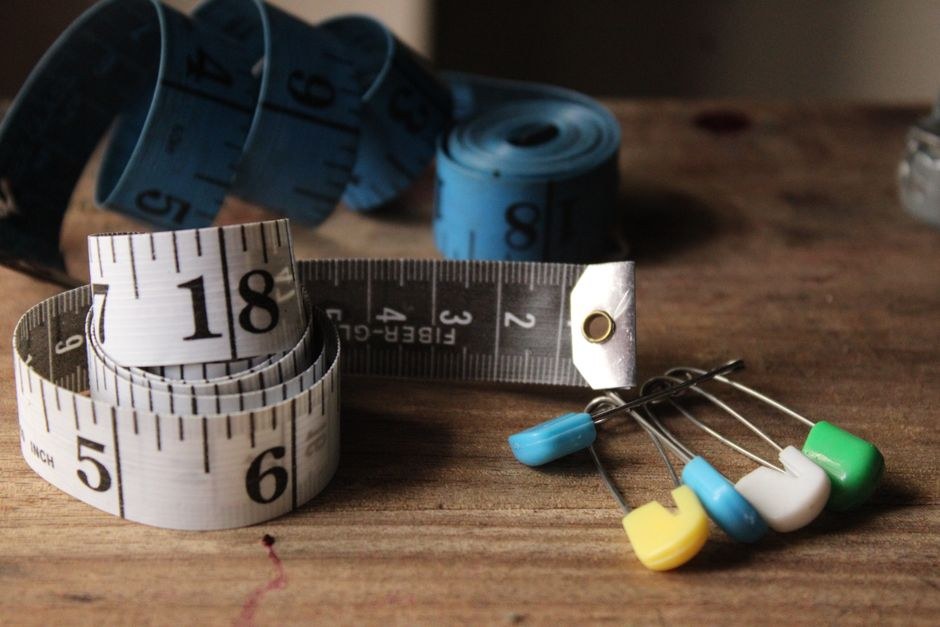
Counter samples turn a design into a wearable, size-verified slipper. Learn what to measure, wear-test and sign off before bulk production starts.
Counter samples are the last cheap checkpoint before bulk production. Approve fit, dimensions and construction on a wearable pair, in writing, before the factory cuts fabric.
Most buyers treat sampling as a design exercise: get a pair that looks like the sketch, post a photo, move on. That is where the expensive mistakes hide. A sample can look right on a table and still be wrong on a foot — too narrow at the ball, a heel that slips, a collar that rubs after ten minutes. Cotton Slipper Counter Samples: Approving Fit Before Bulk Production is the stage where those problems are still cheap to fix, because you are approving a physical, size-verified pair rather than a picture.
What a counter sample actually is
A counter sample is the pair made after your design is locked, built to the confirmed last, materials and construction, in the sizes you intend to sell. It is not a mood sample or a first prototype. The purpose is to answer one question: if we produce thousands of these, will they fit and feel the way we promised our customers?
With a cotton slippers manufacturer, the counter sample usually follows a first sample round where shape, upper material and embroidery placement are settled. The counter round is where the last, the insole thickness and the lining come together. Ask your supplier to label each pair with the size, the last reference and the material batch, so you are not comparing a sample made from leftover fabric against production material.
If you are working through an OEM footwear manufacturer, confirm in writing that the counter sample uses the same last and pattern as the bulk order. A sample built on a different last tells you nothing about the fit of the production run.
Fit checks that matter more than appearance
House slippers are worn barefoot or over socks, often for hours, so fit tolerances are tighter than buyers expect. Run the counter sample through a structured check rather than a quick try-on.
- Length and width: measure the insole at the heel, ball and toe against your size chart, not just the overall length.
- Heel hold: walk ten steps. A heel that lifts or slips will generate returns, especially in open-back styles.
- Instep and collar: check pressure across the top of the foot and around the ankle opening. Tight collars mark the skin; loose ones let the slipper rotate.
- Toe room: confirm there is clearance without the foot sliding forward, particularly in closed-toe and mule styles.
- Wear test: have at least two or three people wear the pair indoors for several hours, with and without socks, and record comments by size.
Do this across the full size run you plan to order, not just one middle size. Grading errors are common: a size that fits at the middle of the run can pinch at the small end or swim at the large end. Cotton Slipper Counter Samples: Approving Fit Before Bulk Production should include a graded set, even if the factory charges for the extra pairs.
Construction and material confirmation
Fit is only half the approval. The counter sample also locks the build. Check stitching density at the seams, the bond between upper and sole, lining attachment and whether the embroidery or print sits where your artwork intended. Pull gently at seams and inspect the inside of the slipper, where loose threads and uneven lining cause complaints that never show up in a product photo.
Ask for the material specification alongside the sample: fabric weight, fibre content, lining type and sole compound. If the sample feels different from what you approved earlier, resolve it now. A custom embroidered slippers manufacturer should be able to show you the digitised file and the stitched result side by side, so you can catch a logo that is too dense, too small or misplaced before it runs on every pair.
Approve the pair you can wear, measure and cut open — not the pair that photographs well.
Sign-off, records and the bridge to bulk
Once the counter sample passes, freeze it. Keep a signed approval pair at the factory and one with you, both tagged with the date, size, materials and any agreed deviations. Photograph the measurements and write the acceptance criteria into the purchase order: insole dimensions with tolerance, heel hold, seam requirements and colour reference. This is what a pre-production sample approval should look like in practice, and it is what an inspector will compare against later.
Expect one revision round as normal. If the fit is close but the collar is tight, a small pattern adjustment is a reasonable fix; if the last is wrong, do not accept a patch — ask for a rebuild. Each counter round costs money and calendar time, so batch your comments into one consolidated list rather than sending corrections in dribs and drabs.
Treat Cotton Slipper Counter Samples: Approving Fit Before Bulk Production as a decision point with a deadline, not an open-ended exchange. Set a date for comments, a date for the revised pair and a date for final sign-off, and make the bulk production start date conditional on that signature. Buyers who skip this discipline often discover a sizing problem in the warehouse, when the only remaining options are markdowns or rework.
Practical advice before you approve
- Request counter samples in at least three sizes spanning your run, built on the production last.
- Measure insoles and record numbers; do not rely on how the pair feels on one person.
- Wear-test for several hours, with and without socks, and log comments by size and tester.
- Compare materials and embroidery against the approved specification, not against memory.
- Keep a signed, tagged approval pair and attach the criteria to the purchase order.
- Give the factory one consolidated comment list and a firm sign-off date.
None of this requires a large team. It requires a tape measure, a few honest wearers and the discipline to say no to a pair that is almost right. The cost of one more counter round is small next to a container of slippers that fit badly.