Unisex vs Gendered Slipper Lines: Design and Sizing for Global Wholesale
2026-10-26 · slipper design, unisex slippers, slipper sizing, wholesale sourcing, OEM manufacturing
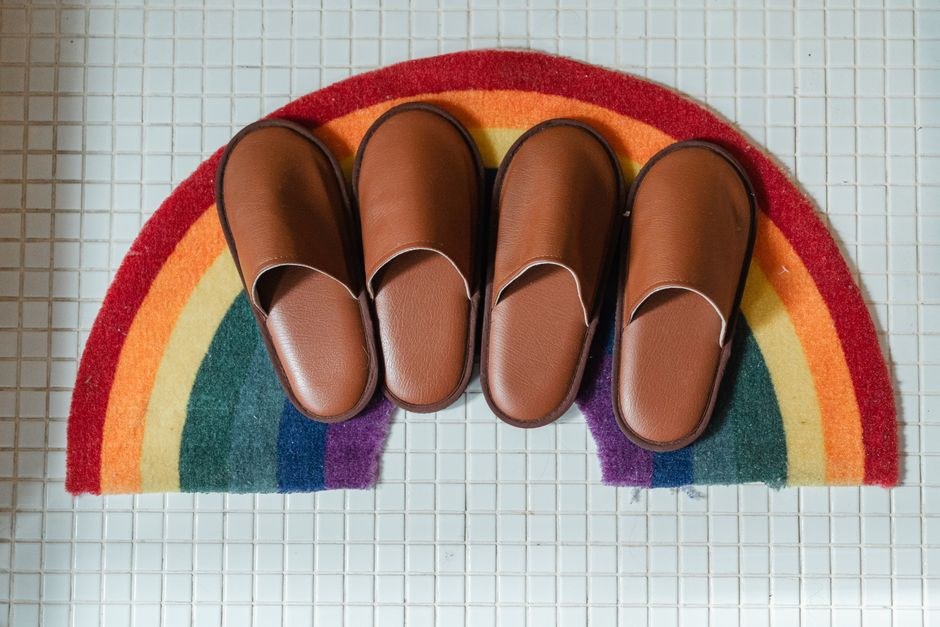
A buyer's guide to unisex versus gender-specific slipper collections: market demand, sizing implications, and how to brief a cotton slipper manufacturer for each path.
Why the Unisex Question Comes Up Before the First Sample
Ask ten buyers whether to run unisex or gendered slipper lines and you will get ten confident answers, most of them wrong for the other nine. The decision is not a style preference. It determines your size run, your inventory depth, your packaging, and how your cotton slipper manufacturer sets up the lasts and patterns. Get it wrong and you either sit on broken size curves or pay for twice the tooling. This guide is about making that call deliberately.
There is no universal right answer. There is only a right answer for your channel, your price band, and your customer. What follows is how to think it through before you brief a cotton slipper manufacturer.
What Actually Differs Between Unisex and Gendered Lines
On paper, a unisex slipper and a women's slipper can look identical. In production they are not the same brief.
- Last and fit. A unisex slipper is built on a single last that covers a wider foot. A gendered line typically uses separate women's and men's lasts, which means separate pattern sets, separate grading, and separate sample approvals.
- Size run. Unisex runs are usually consolidated (for example, a single S–XL range with clear foot-length mapping). Gendered lines split into two runs with their own gaps and overlaps.
- Materials and trims. Gendered lines often carry different lining weights, embroidery motifs, and colourways. Unisex lines tend to simplify to fewer SKUs per style.
- Packaging and labelling. Retail labelling, size stickers, and carton markings differ once you split by gender.
None of these is inherently more expensive. Each shifts cost to a different place. A unisex line usually means fewer SKUs and deeper runs per SKU. A gendered line can mean more SKUs at lower depth, plus extra sampling and grading work.
Demand Signals: Which Path Fits Your Market
Unisex slippers are not a trend; they are a convenience category. They work when your customer buys for a household, when your shelf space is limited, or when you sell online and want to reduce returns from wrong-size orders. Supermarket chains, discount retailers, and marketplace sellers often prefer unisex because it simplifies replenishment and reduces the number of size decisions a shopper has to make.
Gendered lines earn their place when fit and styling are part of the purchase. A department store or a brand with a defined women's collection will usually want a women's-specific last and colour story, and the same for men's. Gendered lines also suit gift and premium tiers, where the customer expects the product to look made for them. A hypothetical mid-size department store running a women's loungewear set will rarely accept a unisex slipper as part of that story.
The practical middle ground is common: a unisex core range for volume, plus a small gendered capsule for styling or fit-sensitive customers. That keeps your MOQ concentrated while testing whether a gendered line earns its shelf space.
Sizing Implications That Catch Buyers Out
Size is where the unisex-versus-gendered decision becomes a money problem. A unisex range that simply maps S–XL to numbered sizes can leave you with a broken curve: too many middle sizes, too few at the extremes. A gendered range splits the curve in two, and each half needs its own depth.
Three sizing points to settle with your factory before sampling:
- Define by foot length, not by label. Ask for a size chart in millimetres of foot length, then map it to your market's labels. This is the only way to compare unisex and gendered fits honestly.
- Decide where the overlap sits. If you run both lines, agree which sizes overlap and which are unique. Overlapping sizes let a customer who is between genders buy either line without a gap.
- Plan the size ratio per SKU. A unisex line may need a different ratio from a women's line. State your expected ratio in the tech pack so the factory quotes the right quantity per size.
If you skip these steps, the first bulk order arrives with a size distribution that does not match your sales data, and you spend the season reordering the missing sizes at air-freight cost.
Briefing Your Manufacturer for Either Path
A factory can build either line well, but only if the brief is clear. For a unisex line, the critical instruction is the last: specify that one last must fit the full intended range and ask for fit samples in the smallest and largest sizes, not just the middle. For a gendered line, specify separate lasts and ask for a grading confirmation before bulk. A cotton slippers manufacturer used to OEM work will expect this; a trading company may not.
Custom embroidery is where the two paths diverge most in production. A unisex line usually carries a single logo or motif per style. A gendered line may need different embroidery files for women's and men's versions, which means separate digitising and separate approval. If you plan gendered embroidery, confirm with your OEM footwear manufacturer that the digitising cost is quoted per design, not per colourway.
Also agree on labelling early. Gendered lines need size and gender labelling that matches each market's retail requirements, and unisex lines need labelling that does not confuse the shopper. Both affect your packaging cost and your carton markings.
What to Do Before You Place the Order
Start with your own sales data, not with a hunch. If you have last season's returns or size sell-through, split it by gender of buyer if you can. That tells you whether a unisex range would simplify or obscure your demand.
Then run a small test. Order fit samples in both a unisex and a gendered version of one style, in your two most important sizes. Wear-test them internally or with a small panel, and compare fit, not just appearance. A unisex slipper that fits nobody well is worse than two gendered lines that fit properly.
Finally, brief your Cixi slipper manufacturer or chosen supplier with a clear decision: unisex core, gendered core, or a unisex core with a gendered capsule. State your size ratio, your labelling requirements, and your expected split between the lines. A supplier who asks you how you want the size curve handled is a supplier worth keeping. One who quotes without asking is quoting a guess.