Terry vs Velour Cotton Slippers: Which Material Suits Your Market?
2026-10-18 · terry,velour,cotton slippers,material selection,wholesale
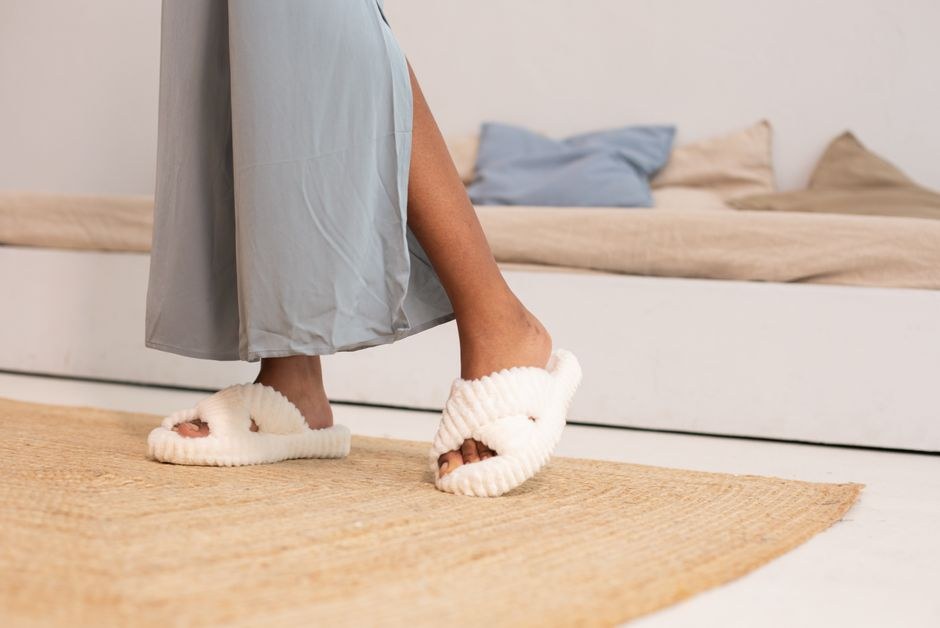
Compare terry and velour cotton slippers for wholesale buyers: absorbency, durability, cost, perceived value, and market fit to choose the right material for your range.
Terry and velour are not interchangeable. If you are building a wholesale range, the choice between them affects your cost per pair, your return rate, and how the product reads on a shelf. Terry is the workhorse: looped, absorbent, and forgiving. Velour is the finish: smoother, denser, and usually sold at a higher price point. Neither is better in the abstract. The right pick depends on who is buying and where the slipper sits in your line.
What Each Material Actually Is
Both start as cotton or cotton-blend fabrics. The difference is in the surface structure. Terry has uncut loops on one or both sides. Those loops create a large surface area, which is why terry feels thirsty and dries relatively quickly. Velour is a cut-pile fabric: the loops are sheared to create a smooth, dense face. That shearing step adds cost. It also changes how the fabric behaves in use and how it looks after a few weeks on a shop floor.
For a cotton slippers manufacturer, the two materials run on different production lines and have different waste profiles. Terry is more forgiving to cut and sew. Velour shows needle marks, pressure marks, and any handling damage more readily, so it demands a cleaner factory floor and more careful packing. Those differences show up in your quote, even when the raw cotton price is the same.
Performance Differences That Matter to Buyers
- Absorbency: Terry wins. The loops wick moisture away from the foot, which is why terry is the default for spa, hotel, and bath slippers. Velour absorbs less and feels smoother against dry skin.
- Durability: Velour resists pilling better after repeated washing because the cut pile has fewer loose loops to snag. Terry can mat down over time, especially in low-density constructions.
- Perceived value: Velour looks more expensive. It photographs well and holds color deeply, which matters for private-label ranges where the unboxing experience is part of the pitch.
- Care instructions: Terry tolerates domestic washing and drying. Velour often needs gentler handling to keep its sheen, and that can push up your care-label requirements.
- Cost: Expect velour to carry a higher FOB price than terry at the same fabric weight, because of the shearing process and the higher reject rate during cutting and sewing.
One practical test: order both materials in the same construction and wash them five times under your target market's typical conditions. You will see terry fluff up and velour flatten slightly. Neither failure is fatal, but one may suit your customer's expectations better.
Market Fit: Where Each Material Sells
Terry is the safer bet for house slippers wholesale to hospitality suppliers, spa chains, and budget-focused retail. It signals cleanliness and function. Buyers in these channels care about absorbency, washability, and a low landed cost. Velour is harder to justify when the slipper is treated as a disposable amenity.
Velour fits better in gift retail, fashion-led homeware, and private-label ranges where the slipper is sold as a soft accessory rather than a utility item. Say a mid-size department store wants a winter gift set with a matching pouch: velour gives the set a more premium look without moving to a completely different product category. The same store might use terry for its own-label basics program.
Buyers often ask which material is "better." The more useful question is which material your customer expects when they open the box. Terry meets a functional promise; velour meets an aesthetic one.
Climate also plays a role. In markets with cold, dry winters, velour's smooth surface feels warmer on first contact. In humid or spa-oriented markets, terry's breathability and absorbency are harder to replace.
Cost and MOQ Considerations
Neither material is inherently cheaper at scale; the difference is in the yield and the reject rate. Velour typically has a higher MOQ because the fabric is produced in larger dye lots and the factory needs enough volume to justify the shearing run. If you are testing a new design, terry lets you start with a smaller batch and less financial exposure.
When you request quotes, ask for both materials in the same weight and construction. A cotton slipper factory that can show you a side-by-side cost breakdown is usually one that understands material-driven pricing rather than quoting a single number. Also confirm whether the velour is brushed or sheared, and whether the terry is single-sided or double-sided; those details change the hand-feel and the price more than the fiber content alone.
Don't overlook packaging. Velour shows creases from vacuum packing, so you may need to budget for individual polybags or tissue wrapping. Terry is more tolerant of compression, which can reduce packing time and cost.
How to Decide and What to Do Next
Start with your sales channel, not the fabric. If you sell to hotels, spas, or value retailers, default to terry and invest in fabric weight and stitch quality. If you sell gift sets or private-label homewear, test velour in a small batch and compare sell-through against your terry basics.
Before you commit, ask your supplier for these three things:
- Samples of both materials in your intended construction, washed and dried to your market's typical routine.
- A cost breakdown that separates fabric, shearing (if velour), cutting, sewing, and packing.
- Minimum order quantities and lead times for each material, so you can plan cash flow and shelf dates.
Run a small trial order, measure returns and customer feedback, and let the data decide the second order. Terry will rarely surprise you; velour can lift your average selling price if the presentation supports it. Choose the material that matches the promise on your packaging, and the rest of the sourcing decisions get easier.