Terry Loop vs Fleece Lining in Cotton Slippers: Comfort and Cost
2026-10-23 · materials,lining,cotton slippers,cost analysis,quality
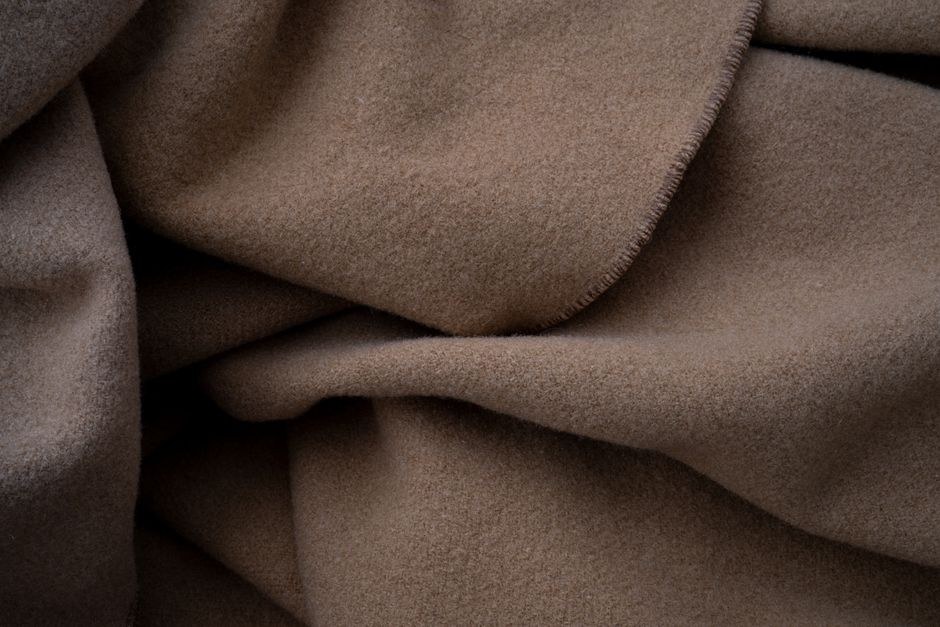
Terry loop and fleece linings change warmth, washability and per-pair cost. A practical comparison for buyers specifying cotton slipper linings.
If you are specifying a cotton slipper for a market that actually wears the product indoors, the lining decides whether the pair gets worn out or thrown out. Terry loop and fleece sit at opposite ends of that decision: one handles moisture and washing, the other sells warmth on the shelf. The wrong choice shows up as returns, not as a line item you can renegotiate later.
Why the lining, not the upper, drives repeat orders
Shoppers judge a slipper in the first thirty seconds — usually by squeezing the footbed. The upper cotton or plush tells them what the slipper looks like; the lining tells them what it feels like on bare feet at 7am. That is why cotton slipper lining choice belongs in your product brief, not in a factory's default specification.
Both constructions use similar raw inputs — cotton yarn, polyester blends, backing fabric. The difference is how the yarn is built into the surface:
- Terry loop is knitted with uncut loops, like a bath towel. Air moves through the loops, moisture is absorbed into the pile, and the surface recovers after washing.
- Fleece is brushed or napped, creating a dense, soft face with trapped air. It feels warmer instantly but flattens with wear and holds moisture longer.
Neither is 'better'. They serve different retail stories and different wash cycles, and the cost gap between them is narrower than most buyers assume.
Warmth: what the customer feels versus what the label claims
Fleece wins the first touch. Its brushed surface traps a layer of warm air and feels plush against bare skin, which is why it dominates gift-pack and premium shelf positions in winter ranges. But warmth in a house slipper is mostly about trapped air and fit, not fibre weight.
Terry loop feels cooler at first. In a heated home or a market with mild winters — say a mid-size supermarket chain buying for a coastal climate — that is an advantage, because overheating feet lead to the slippers coming off. In colder inland markets, the same terry pair reads as 'summer' on shelf and gets passed over.
A practical rule: fleece for gift sets and cold-climate retail, terry loop for everyday value ranges and markets where the slipper is worn year-round. If you want one lining across a whole range, terry loop is the safer bet because it does not overpromise warmth.
Washability: the test most buyers skip in sampling
Washability is where terry loop earns its place. Loop pile is designed to be washed: the loops flex, release dirt and return to shape. Fleece, being brushed, pills and matts after repeated cycles. A fleece lining that looks premium at sample approval can look tired after five home washes — a problem when your customer's returns policy is generous.
If your channel is machine-washable household essentials, specify terry loop and confirm the wash performance at sample stage, not after the bulk order. Ask the factory for a wash test on the actual lining and backing combination, because a fleece lining bonded with a stiff backing behaves differently from a loose one.
Fleece still has a place: slippers sold as fashion or gift items with a shorter wear cycle, where hand-washing or spot-cleaning is assumed. Just do not market fleece as machine-washable unless the factory has tested that exact construction.
Per-pair cost: where the real difference sits
Buyers often assume fleece is cheaper because it is a common default. In practice the lining cost depends on yarn, weight and the backing used — not on the surface style alone. Terry loop and fleece of comparable quality typically sit in a similar band, with either moving up or down depending on specification.
What changes the total is downstream:
- Wastage — fleece cuts and sews predictably; terry loop can fray at the edge if the factory is not used to it.
- Assembly time — a fleece lining bonded to the footbed is faster to fit than a stitched terry lining, which can shift labour cost.
- Returns — a lining that fails in the wash costs you far more than the cents per pair you might save on the material.
When you compare quotes from a cotton slippers manufacturer, ask each supplier to quote the same lining specification with the same weight and backing. Quotes that look cheaper usually differ in lining weight, not in lining type.
Practical guidance for your next order
Match the lining to the channel and climate, then lock it into the sample and the purchase order. Concretely:
- Specify terry loop for value ranges, warm-climate markets, and any slipper marketed as machine-washable. Confirm wash performance on the actual construction.
- Specify fleece for gift sets and cold-climate premium ranges, and be explicit in the care label — do not imply machine-washability.
- Keep one lining per SKU. Switching lining between production runs without changing the style code confuses reorders and invites quality disputes.
- Sample both before committing a season. A side-by-side wear test with your own staff answers the warmth and wash questions faster than any spec sheet.
- Ask for lining weight and composition in writing on every quote, so comparisons are like-for-like.
As a winter slippers supplier, we see buyers over-index on shelf feel and under-index on the second wash. The lining is the part of the slipper your customer touches most and your returns team hears about most. Get it specified correctly at sample stage and it stops being a cost conversation.