Terry Cloth vs Coral Fleece in Cotton Slipper Manufacturing
2026-10-25 · terry cloth,coral fleece,slipper materials,cost comparison,durability
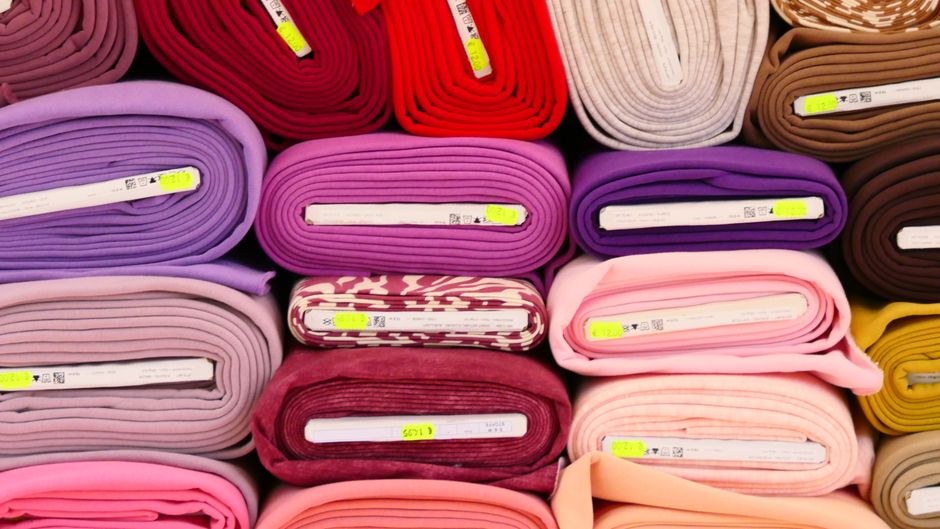
Terry cloth and coral fleece differ in cost, comfort, and durability. Compare them to choose the right material for your slipper range and sourcing budget.
If you are building a slipper range, the choice between terry cloth and coral fleece is not just a comfort decision—it directly affects your landed cost, your customer's perception of quality, and how the product holds up after a few washes. Both are common in cotton slipper manufacturing, but they serve different price points and use cases. This article breaks down the differences so you can specify the right material for your market.
Material Fundamentals and Cost Drivers
Terry cloth is a woven fabric with loops that absorb moisture and provide a textured feel. It is typically made from cotton or a cotton-poly blend, and its production is well-established in Ningbo and Cixi factories. Because terry is a woven structure, it tends to be more dimensionally stable and holds its shape through repeated washing. The cost of terry cloth depends on yarn quality, loop density, and weight (GSM). A mid-weight terry (around 280–320 GSM) is standard for slippers; heavier weights add cost but improve durability.
Coral fleece, on the other hand, is a knit fabric with a brushed surface that gives it a soft, plush hand feel. It is usually made from polyester or a polyester-cotton blend, though 100% cotton versions exist at a premium. Coral fleece is lighter in weight and less expensive per meter than comparable terry, largely because polyester fibers are cheaper and the knitting process is faster. However, its lower cost can be offset by lower durability and a tendency to pill or mat after washing.
From a cost perspective, coral fleece typically wins on unit fabric cost, but the total landed cost may shift if you need to upgrade packaging or if the fleece requires a heavier lining to maintain structure. Always request a full cost breakdown from your cotton slippers manufacturer that separates fabric, labor, and overhead.
Comfort and Performance: What Your Customer Feels
Comfort is subjective, but there are objective differences. Terry cloth offers a more "dry" hand feel and excellent moisture management—ideal for bathroom slippers or products marketed for spa and wellness. The loop structure provides a gentle exfoliation effect and a cushioned step. However, some customers perceive terry as less luxurious because it lacks the soft, fluffy surface of fleece.
Coral fleece excels in initial softness and warmth. It feels plush and cozy, which appeals to the winter slipper market. But that softness can be deceptive: lower-quality coral fleece may flatten quickly, reducing underfoot comfort. It also has lower breathability, which can lead to sweaty feet in overheated indoor environments. For markets where slippers are worn year-round, terry's breathability is a distinct advantage.
Durability is where the materials diverge most. Terry cloth, especially when made from long-staple cotton, withstands repeated washing without significant pilling. Coral fleece, particularly polyester-based, tends to pill and lose its loft after several cycles. If your brand promises easy-care, terry is the safer choice. If you are targeting a fashion-forward, low-price segment, coral fleece can work—but you must set expectations on the care label.
Bottom line: terry is the workhorse for durability and moisture control; coral fleece is the softness champion for cozy, seasonal lines.
Specifying the Right Material for Your Market
Your decision should start with the end customer. For a supermarket chain or mass-market retailer, coral fleece slippers at a low price point can drive volume, but returns and complaints may rise if durability is poor. For a specialty home goods brand, terry cloth signals quality and practicality, justifying a higher retail price.
Consider these guidelines:
- Bathroom and spa slippers: terry cloth is the default—absorbent, quick-drying, and durable.
- Winter warmth slippers: coral fleece provides instant warmth and a plush feel, but specify a quality grade that resists pilling.
- Hotel and hospitality: terry is preferred for its professional look and washability.
- Fashion and gifting: coral fleece in novelty colors and prints can be attractive, but confirm colorfastness.
When working with an OEM footwear manufacturer, provide clear specifications: fabric composition, weight, and any performance requirements. For coral fleece, ask for a pilling resistance test (such as Martindale) and a wash trial. For terry, specify loop density and yarn type. These details prevent costly surprises.
Cost, MOQ, and Sampling Considerations
Terry cloth usually has a higher fabric cost, but it may allow for simpler construction because it holds shape well. Coral fleece, being softer and drapier, sometimes requires additional backing or interlining to maintain structure, which adds labor and material cost. Always compare total MOQ and per-unit cost, not just fabric price.
Sampling is critical. Request samples in both materials for your target design. Test them for comfort, appearance after washing, and colorfastness. A reputable cotton slipper manufacturer in Cixi should be able to provide these within a reasonable timeframe. Keep in mind that custom embroidered slippers may behave differently on terry versus fleece—embroidery on fleece can sink into the pile, while terry provides a firmer base. If you plan custom embroidery, discuss digitizing and backing with your supplier.
Also consider lead times: terry cloth is widely available, but specialty coral fleece in custom colors may require longer procurement. Factor this into your seasonal planning. For winter slippers, you need to finalize materials at least four to five months before peak season.
Recommendations for Buyers
There is no universal "better" material—only the right material for your product strategy. Use this checklist to decide:
- Define the use case: Is the slipper for bathroom, bedroom, or outdoor? Terry for wet areas, coral fleece for dry warmth.
- Set a durability target: If you expect multiple washes, terry is more forgiving. If the product is a low-cost impulse buy, coral fleece can be acceptable.
- Verify quality: Always request test reports for pilling, colorfastness, and shrinkage. Do not rely on hand feel alone.
- Calculate total cost: Include fabric, lining, labor, packaging, and freight. A lower fabric price may not offset higher ancillary costs.
- Sample both: Test with real users if possible. Comfort perception varies by market.
Finally, choose a manufacturing partner who can advise on material selection based on your market and price point. A Cixi-based factory with experience in both terry and coral fleece can guide you through the trade-offs and help you avoid over-specifying or under-delivering. That conversation is worth more than any spec sheet.