Ten Warning Signs When Visiting a Cotton Slipper Factory in Cixi
2026-10-23 · factory visit,quality control,sourcing tips,cixi,oem slippers
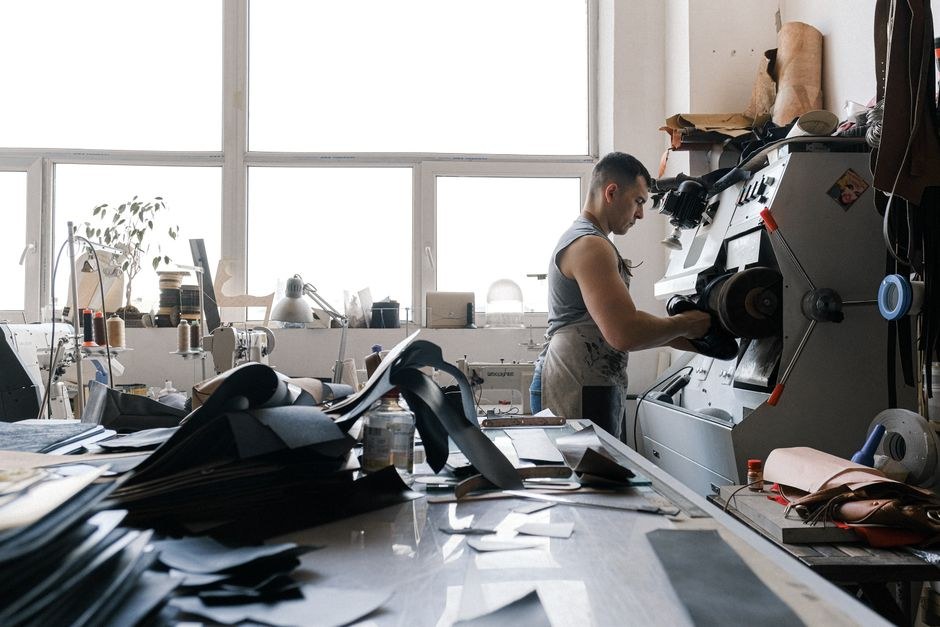
Walk the floor with a buyer's eye. Ten red flags that separate a reliable cotton slipper factory in Cixi from one that will cost you time, money and your brand's reputation.
You've shortlisted three factories in Cixi, exchanged quotes, and now you're on the ground. The visit itself is a test; the samples looked fine, but the floor tells a different story. Here's what to watch for—and why each sign matters to your order.
1. The floor is tidy, but the warehouse isn't
A clean assembly area is easy to stage. Ask to see the raw material warehouse. If cotton rolls are stacked against a damp wall or unlabeled, quality control starts at the source—and it's failing. Consistent fabric weight begins with proper storage; moisture can cause shrinkage and mildew before a single slipper is cut.
2. They can't show you a current production order
Factories running at capacity usually have ongoing jobs. If every line is idle or dedicated to a single SKU, ask why. A cotton slipper factory that can't show you a live order is either between seasons or struggling to win repeat business. Neither is a good sign if you need reliable lead times.
3. Sample room is disconnected from production
A polished sample room is common. The red flag is when the sample maker has no idea what the production floor is doing. Your approved sample may have been hand-stitched with materials the line never uses. Confirm that the same team that made your sample will set up the production run—or at least that the spec sheet is followed on the floor.
4. Workers are rushed, but output is low
Watch the pace. If operators are moving fast but piles of unfinished goods sit between stations, the bottleneck is real. You'll see it in lead times later. A well-run line has balanced stations; an unbalanced one means overtime, errors, and pressure to ship regardless of quality.
5. No visible quality checks
Look for a dedicated inspection station. If finished slippers go straight into polybags without a check for stitching, sizing, or colorfastness, you're the inspector. Ask how they handle AQL (acceptable quality limit) inspections—or whether they even know the term. A factory that doesn't inspect is a factory that expects you to absorb the risk.
6. Materials are unidentified
“Cotton” can mean many things. Ask to see the material tags or receipts. If they can't tell you the yarn count or the difference between terry and velour, they're either buying on price alone or hiding something. For OEM cotton slippers, material traceability is non-negotiable—your customers will feel the difference.
7. They dodge questions about capacity
Ask: “How many pairs per day can you ship in October?” A vague answer or a number that seems inflated compared to the floor size is a warning. Capacity claims should match the number of machines and staff. If they can't, they may be outsourcing to other factories—meaning you lose control over quality and timing.
8. No clear line of command
On the floor, who answers when something goes wrong? If the guide can't point to a production manager or QC lead, decisions may be made ad hoc. You need a single point of contact who can authorize fixes. Otherwise, your emails will bounce between sales and production while your order sits.
9. Packaging area looks improvised
For retail-ready orders, packaging is part of quality. If boxes are stacked haphazardly or labels are applied by hand without a template, expect mismatched polybags and missing hangtags. A factory that treats packaging as an afterthought will cost you chargebacks from your retail buyers.
10. They push you to skip the sample approval
“No need for a second sample, we know what you want.” That's a red flag. Even a trusted cotton slippers manufacturer should insist on a signed-off sample before mass production. Skipping this step is how color, size, and stitching errors slip through—and you'll have no recourse.
What to do with what you see
No factory is perfect. The question is whether the red flags are fixable. Before you leave, ask for a corrective action plan on the two or three issues that matter most to your order—typically material traceability and in-line QC. If the factory can't give you a written plan with dates, walk away. Your brand's reputation is worth more than a few cents per pair.
And remember: a visit is a snapshot. Pair it with a third-party audit and a trial order before committing to volume. The best winter slippers supplier is one that welcomes scrutiny—and shows you the door when you ask to see the warehouse unannounced.