Sustainable Practices in Cotton Slipper Factories: What to Look For
2026-10-15 · sustainability, factory audit, certifications, cotton slippers, sourcing
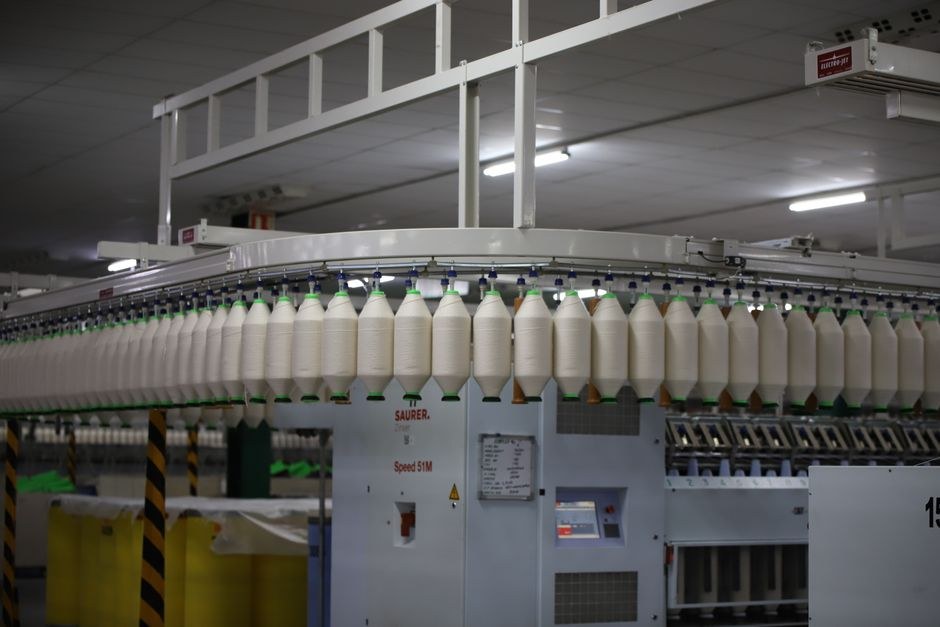
A factory-level guide to sustainable cotton slipper manufacturing: what to verify on certifications, materials, ethics, and how to build green claims that survive an EU importer's scrutiny.
Sustainability in a cotton slipper factory rarely looks the way a brand's marketing deck suggests. Most Chinese slipper factories are not zero-waste operations, and the ones that claim to be usually mean one of three things: they buy certified fabric, they run a wastewater system they bought to satisfy a local inspection, or they wrote a policy page for the website. Your job as a buyer is to separate those three from the small minority doing something real, because at some point a retailer or a customs authority will ask you to prove the story you printed on the box.
Start with the claims you intend to make
Before you audit anyone, write down the exact claim that will appear on your packaging, your product page, or your retail pitch. "Made with organic cotton" is a material claim and needs transaction certificates. "Produced in a low-impact facility" is almost unverifiable and will cause trouble in a European market. "Recycled packaging" is easy to support with supplier declarations.
The claim determines the evidence, not the other way around. A compact chain like a mid-size European brand I'd describe hypothetically once asked its factory for "an eco certificate"; it received a laminated sheet nobody could trace. Once the brand narrowed its claim to recycled polyester fill in the insole, the documentation became simple: a supplier letter, a batch code, and a line on the spec sheet.
- Material claims: organic or recycled content requires certificates traceable to the specific lot.
- Process claims: dyeing, water treatment, and energy source need site-level evidence, not a brand logo.
- Social claims: wage and safety statements are the hardest to verify and the easiest to overreach on.
Certifications worth checking, and what each one actually proves
Not every certificate carries equal weight. Roughly in order of how much work they represent, the ones you will encounter at a cotton slipper manufacturer are:
- GOTS for organic cotton — covers the fibre, the processing chain, and social criteria. It is expensive and audited annually; factories rarely hold it unless a customer pays for it.
- OEKO-TEX Standard 100 on the finished slipper or its fabric — a chemical safety test, not an environmental or ethical standard. Useful for retail compliance, often oversold as a green badge.
- GRS for recycled content — requires a certified supply chain and mass-balance accounting. This is the badge most likely to be audited by an EU importer.
- BSCI, Sedex, or SA8000 — social audits covering wages, hours, and safety. These tell you the workforce has been inspected, though a single audit is a snapshot.
The trap is packaging: many factories hold a valid certificate but cannot connect it to your production run. Ask for the certificate, the certified supplier's name, and the lot or shipment reference that ties the material to your order. If any of the three is missing, treat the claim as unsupported.
If you cannot trace the certificate to your order, you are not buying a certified slipper. You are buying the factory's collection of PDFs.
What to verify on the factory floor
The most reliable sustainability signal is not a certificate at all — it is how the factory handles scrap and chemicals on an ordinary Tuesday. Walk the cutting floor and look at the offcuts. A factory cutting plush and cotton uppers generates significant waste; some sell it to mattress or padding processors, others bin it. Neither is catastrophic, but the answer tells you how the manager thinks about cost and waste together.
Then ask three plain questions the sustainability manager cannot rehearse:
- Where does your dyeing effluent go, and who tests it? If dyeing is outsourced, ask for the dye house name — the environmental footprint of a slipper usually sits with the fabric supplier, not the assembly line.
- What is your monthly rejection rate, and what happens to rejected pairs? High reject rates are a hidden sustainability problem; a factory with tight quality control wastes less material per shipped pair.
- How long have your sewing staff been with you? Low turnover is a reasonable proxy for fair treatment, and it is far harder to fake than a policy document.
Turning green production into a sourcing advantage
Sustainable practice at the factory level rarely changes unit cost much on its own — certified cotton may add a measurable percentage to the material line, and certified recycled fill typically costs more than virgin fill. What it changes is risk. A factory with documented material traceability and a genuine social audit gives you a defensible answer when a retailer's compliance team, a customs officer, or a journalist asks how the slipper was made.
It also changes who will buy from you. Grocery and pharmacy chains, and a growing number of online brands, now ask for material certificates during onboarding — not out of idealism, but because their own green claims are regulated. Being able to hand over a traceable certificate quickly shortens that process and often decides which supplier gets the repeat order. This is the practical case for sustainable sourcing in this category: not virtue, but commercial readiness.
How to build sustainability into your next order
Keep it narrow and provable. Pick one or two claims you can fully document, then write them into the spec sheet and the purchase order so they become a production requirement rather than an afterthought. Sequence a real development run: commission a custom sample using the certified material you intend to ship, confirm the certificate covers that exact specification, and only then scale to bulk.
When you compare a cotton slipper factory against another, score them on traceability, not on logos. Ask for the certificate and the lot reference, request the dye house name, and check turnover on the floor. If a supplier resists document-level questions but offers a sustainability brochure instead, that is your answer. For OEM cotton slippers destined for regulated markets, the suppliers worth keeping are the ones who treat your certificate request as routine. Build the compliance habit into your first order and it costs you an afternoon; retrofit it after a retail buyer asks, and it can cost you the season.