Structured Payment Protection: Escrow and L/C Terms with Cixi Slipper Manufacturer
2026-10-24 · sourcing tips,payment terms,letters of credit,escrow,cixi slipper manufacturer
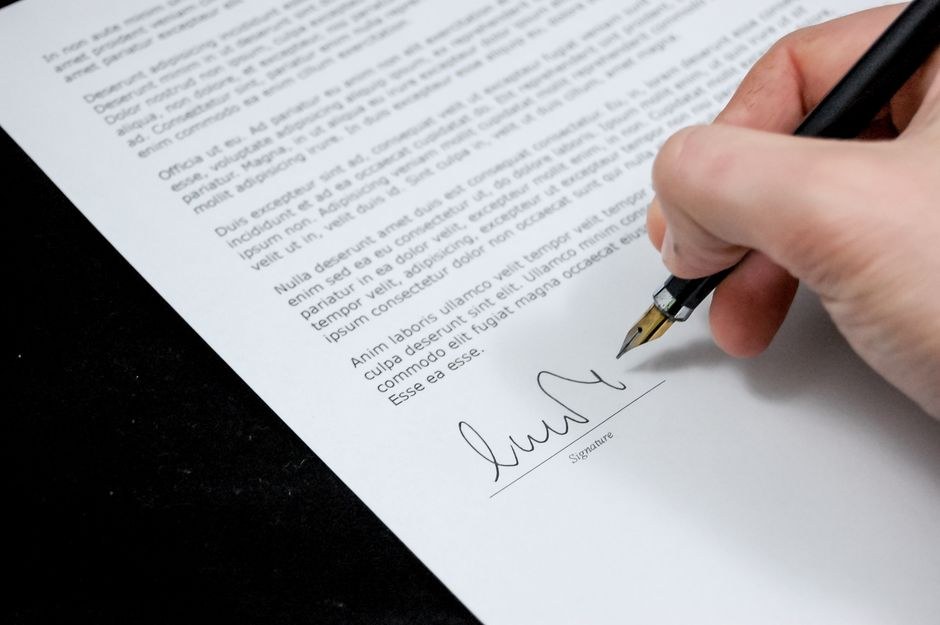
Compare escrow, letters of credit and documentary controls when paying a Cixi slipper manufacturer. Learn how structured terms protect wholesale buyers on bulk orders.
Most sourcing failures on slipper orders are not factory defects. They are payment structures that leave the buyer with no leverage once the deposit clears. If your entire relationship with a Cixi slipper manufacturer hinges on a 30% deposit and a promise, you have handed over control before a single pair is stitched. The instruments below are how you get it back.
Why the Deposit Model Breaks Down on Bulk Slipper Orders
Standard terms from many suppliers—30% deposit, balance before shipment—are not inherently dishonest. They exist because factories carry real costs for raw cotton, lining, soles and labor before your order ships. The problem is asymmetry: the buyer funds production and then depends on the factory's goodwill for visibility, quality and delivery.
For a wholesale slipper order, that exposure is meaningful. Say a mid-size supermarket chain places a seasonal order across five sizes and three colorways. If the factory ships late, the buyer misses the selling window; if quality slips, the buyer discovers it after the balance is paid. Structured payment terms do not eliminate risk, but they move it to a point where you still have options.
This is distinct from simply negotiating a smaller deposit. The goal is to tie money to verifiable milestones—inspection, shipping documents, title transfer—rather than to calendar dates.
Escrow: The Simplest Ring-Fence for First Orders
Escrow means a third party holds your funds and releases them only when agreed conditions are met. In practice, most escrow arrangements for slipper orders release in tranches: a portion on production start, a portion on pre-shipment inspection, and the balance on bill of lading issuance.
- Best for: first orders with a new Cixi slipper manufacturer, or orders where you have no established payment history.
- Watch: release conditions must be specific and documentary—signed inspection report, photos, packing list—not subjective sign-off.
- Cost: fees are typically a small percentage of the transaction value, but they are a real line item on your landed cost. Factor them in before you compare quotes.
- Limitation: escrow protects the money, not the quality. If your release conditions are vague, the factory can satisfy them and still ship goods you dislike.
Many buyers use escrow only for an initial order, then move to documentary terms once the relationship is proven. That is a reasonable progression if the factory accepts it.
Letters of Credit: Documentary Control at Scale
A letter of credit (L/C) replaces trust with documents. Your bank pays against a defined document set—commercial invoice, packing list, bill of lading, inspection certificate—and the factory only gets paid if those documents conform. It is the classic instrument for large, repeat bulk slipper orders where both sides want a neutral referee.
The strength of an L/C is precision. The weakness is also precision: a single misspelled description or a missing document can trigger a discrepancy, delay payment and irritate your supplier. If you use an L/C, treat the document list as a contract and budget time for the factory to review it before the order starts.
A practical middle path is a documentary collection or a standby L/C used as a backstop rather than the primary payment mechanism. These are lighter on fees and administration but give you a defined process if delivery goes wrong. Which instrument fits depends on order size, relationship length and your bank's appetite for the paperwork.
If the payment terms are vague enough that either side can interpret them differently, they are not protection—they are a future argument.
Documentary Controls You Can Add Without an L/C
You do not need a bank instrument to build leverage. Several lower-cost controls work well with an OEM cotton slippers supplier and are easier to administer:
- Tie the balance to a pre-shipment inspection. Specify the inspection body, the AQL standard and the release trigger in the purchase order. Payment follows a passed report, not a shipping date.
- Use a bill of lading consigned to your order. Control of the original B/L is control of the goods. If the factory ships without your release, you still hold the document needed to claim the cargo.
- Split the balance across milestones. For example: deposit, post-inspection balance, and a final balance on telex release. Three tranches give you two checkpoints instead of one.
- Require a signed inspection waiver if you skip inspection. This is not protection for you—it simply makes clear in writing that you chose to waive it, which prevents later disputes.
Each additional control has an administrative cost. Decide which ones are proportionate to the order value before you ask the factory to accept them. A first order worth a modest sum does not need a full L/C; a container-load seasonal program does.
How to Propose Structured Terms to a Cixi Factory
A factory in Cixi that has never used escrow or an L/C may see the request as a signal that you do not trust them. Frame it as standard practice for your company, not a verdict on their reputation. Explain which risks each instrument addresses—mostly timing and document handling—and offer to cover the instrument fees if the order justifies it. Many suppliers will accept documentary terms for a second or third order once they know you pay on time.
Put the terms in the purchase order, not just in email. Specify the release conditions, the inspection standard and the document set. If the factory pushes back, ask what alternative control they would accept: a smaller deposit, a post-dated balance, or a factory visit before shipment. The answer tells you as much about the supplier as the price does.
Practical Closing Advice
Start with an instrument that matches the order, not the most elaborate one available. For a first trial order with a new Cixi slipper manufacturer, use escrow with a clear pre-shipment inspection trigger. For repeat seasonal programs, move to a documentary balance release or an L/C with a document list your factory has reviewed in advance. Keep the deposit as small as the factory will accept, and put every milestone in writing. The best payment structure is the one both sides understand and can administer without a dispute—because the point is not to win an argument later, but to avoid needing one.