Spring/Summer Cotton Slipper Trends 2025: A Buyer's Guide
2026-10-27 · spring summer slippers, cotton slippers, warm weather footwear, off-season sourcing, OEM slippers
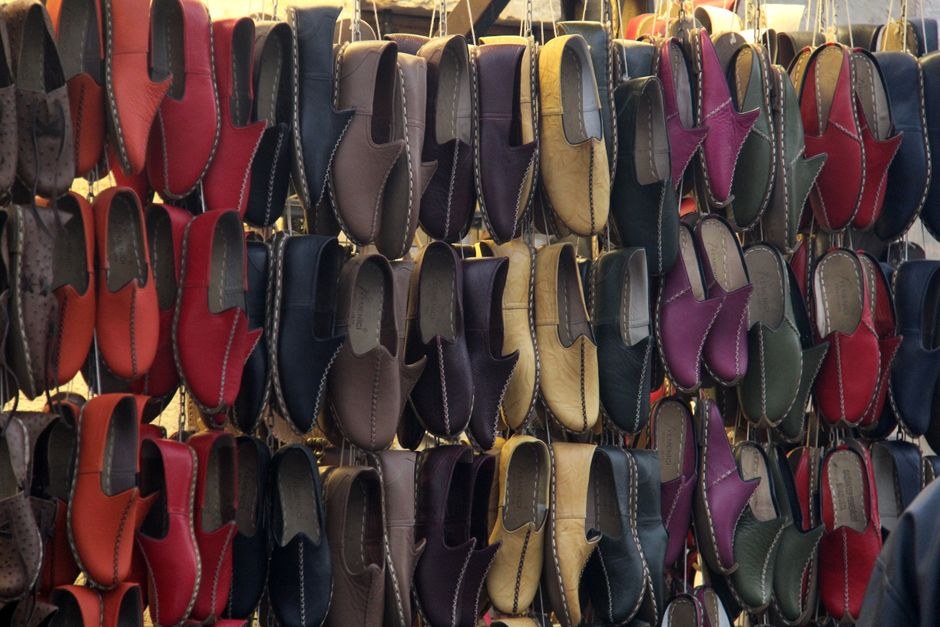
Warm-weather cotton slippers are a growing category. Learn 2025 design trends, material choices, and off-season sourcing tactics to broaden your range.
Most sourcing calendars treat cotton slippers as a winter-only category. That leaves money on the table. Spring/summer cotton slippers—lighter, breathable, often open-toe or slide-style—are gaining shelf space in markets where consumers want indoor footwear year-round. For importers and brand owners, the opportunity is straightforward: extend your buying season, spread factory capacity across more months, and capture a consumer segment that doesn't want a plush boot in July.
What's Driving Warm-Weather Slipper Demand
Several forces are converging. Home cooling costs have pushed consumers toward lighter indoor layers. Remote work normalized slippers as all-day footwear, not just a winter accessory. And the wellness aesthetic—think spa, self-care, slow living—has made open-toe and slide slippers socially acceptable at home. Retailers are responding by keeping a slipper section on shelves through spring and summer, often with brighter colors and lighter constructions.
The result: a category that used to be a two-month winter push is now a six-to-eight-month shelf presence in many markets. If your assortment is still 100% closed-back plush, you're likely leaving sales to competitors who stocked a summer option.
Design Trends to Watch for 2025
Warm-weather slippers are not just winter slippers with less material. The design language is different. Based on what buyers are requesting and what mills are producing, here are the directions worth sampling.
- Open-toe and slide silhouettes dominate. Think wide bands, thong-style toe posts, and mule shapes. They read as summer footwear even when worn indoors.
- Breathable uppers matter more than warmth. Woven cotton, lightweight canvas, and open-weave knits are replacing dense terry. Terry still works, but in lighter weights.
- Cushioned but low-profile soles. EVA and lightweight rubber outsoles in 10–15 mm range give indoor/outdoor flexibility without the bulk of a winter sole.
- Color and print are the differentiator. Pastels, citrus tones, and small-scale florals move well in spring. Embroidered motifs—especially custom logos or seasonal graphics—are an easy upgrade for private label.
- Two-tone and contrast stitching add perceived value with minimal cost impact.
If you're working with an OEM footwear manufacturer, these details are straightforward to develop. The key is to brief them early with reference samples or a clear tech pack, because summer constructions often use different upper materials and sole components than your winter line.
Material Choices That Make or Break Summer Slippers
The biggest mistake buyers make is treating summer slippers as a cost-down exercise—same construction, thinner fabric. That produces a slipper that feels cheap and wears out fast. Instead, think about the job the product does: it needs to breathe, wick moisture, and hold its shape through repeated washing.
Here's a practical material hierarchy for warm-weather styles:
- Uppers: Cotton canvas (8–12 oz) for structure; lightweight woven cotton for softness; open-weave knits for breathability. Avoid heavy terry—it traps heat.
- Linings: Unlined or mesh-lined is fine for summer. If lined, use a thin cotton lawn or moisture-wicking synthetic blend.
- Footbeds: EVA with a fabric top cover is standard. Memory foam works but adds cost and can compress in heat; specify density carefully.
- Outsoles: EVA or TPR for indoor/light outdoor. If you want a true outdoor slide, go with a rubber outsole and a proper tread pattern.
Ask your cotton slippers manufacturer for wash-test data on any new upper fabric. Summer slippers get washed more often, and colorfastness and shrinkage are common failure points. A simple wash trial before bulk production can save you a container of returns.
Off-Season Sourcing: The Calendar Advantage
Here's where warm-weather slippers become a sourcing strategy, not just a product line. Most factories in Cixi and the wider Ningbo region are slammed from June through October producing winter slippers for Western markets. That's their peak. If you place a spring/summer order in that window, you compete for capacity and attention.
Flip the calendar. Place your summer slipper orders in late winter or early spring—January to March—when factories are quieter. You'll likely see three benefits:
- Better pricing. Factories value off-peak utilization and may offer more flexible terms on volume or tooling costs.
- Faster sampling. Sample rooms are less congested, so you get feedback and revisions in days rather than weeks.
- More attention to detail. Smaller production runs get more oversight when the line isn't maxed out.
This doesn't mean you can order in April for a June delivery and expect miracles. Lead times still apply—typically 30–45 days for production after sample approval, plus shipping. The point is to plan backward from your retail floor date and lock in factory capacity early. A good OEM & ODM slipper manufacturing partner will share their capacity calendar and help you find the quiet windows.
Practical Steps for Your Next Summer Range
If you're convinced enough to test a spring/summer line, here's a sequence that keeps risk low and learning fast.
Start with a mini-MOQ. Order two or three styles in small quantities—enough to get real sell-through data, not so much that you're stuck with inventory. Many wholesale & bulk supply factories now offer lower minimums for new buyers or new designs. Use that flexibility to test silhouettes: one slide, one open-toe mule, one closed-toe breathable style.
Brief your factory on the end use. Tell them explicitly that these are warm-weather, washable, indoor/outdoor slippers. That changes their material and construction recommendations. A factory that only makes winter slippers may default to heavy terry and thick soles unless you steer them.
Ask for a wash trial and a wear test. A simple 5-cycle home wash test on the upper fabric and a two-week wear trial with a small panel will surface most issues before bulk. Document the results; they become your quality benchmark.
Plan packaging for the season. Summer slippers often sell in open bins or hanging displays. Poly bags are fine for bulk, but if you're selling to retailers who want shelf-ready units, discuss header cards or small cartons with your custom samples and designs team early. Packaging changes affect carton dimensions and container loading, so sort it before you book freight.
Finally, treat summer slippers as a separate product category with its own P&L, not an extension of winter. Give it its own design brief, its own quality checks, and its own sell-through targets. That discipline is what turns an experiment into a reliable seasonal revenue stream.
Warm-weather cotton slippers are not a fad. They reflect a permanent shift in how people use indoor footwear. The buyers who move first will lock in the better factories, the more reliable materials, and the shelf space. The ones who wait will be negotiating for capacity in a crowded winter queue—or paying expedited freight to fix a late summer order. Plan now, order early, and test small.