From Cixi to Your Door: Rethinking QC for House Slippers Wholesale
2026-10-27 · quality control,wholesale slippers,sourcing,packaging,transit
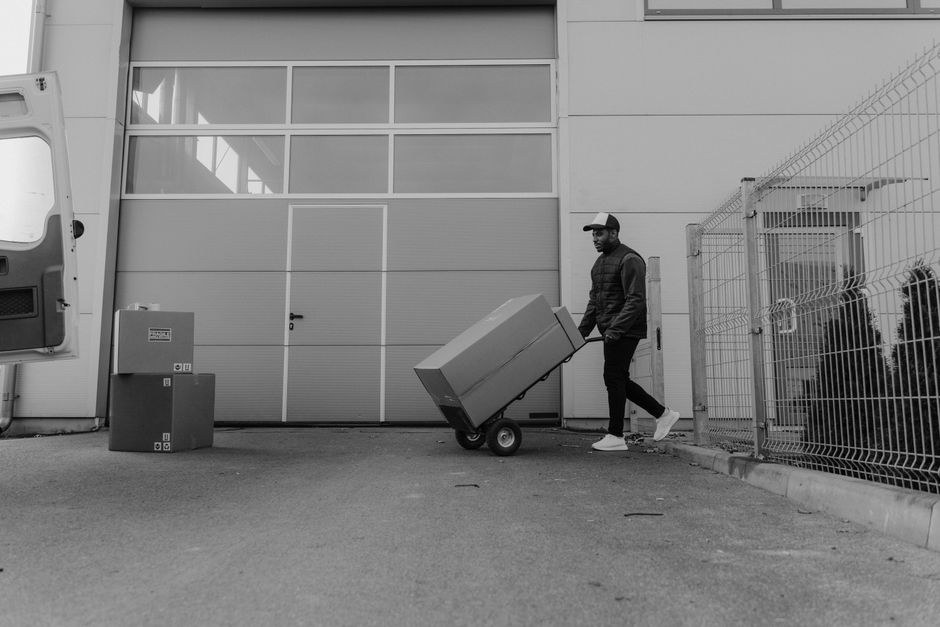
Move beyond factory inspections: a practical guide to end-to-end quality control for house slippers wholesale, covering transit risks, packaging, and landed-condition checks.
Most buyers stop quality control at the factory gate. The container leaves Cixi, the inspection report says “passed,” and everyone moves on. Then the cartons arrive and a third of the order has flattened linings, crushed heels, or a musty smell that wasn’t there at loading. That’s not a factory defect—it’s a QC gap that starts after the final inspection. For house slippers wholesale, quality control has to follow the product from the Cixi slipper manufacturer all the way to your warehouse door.
Why Factory-Gate QC Misses the Real Risks
Factory inspections are necessary but incomplete. They confirm what leaves the loading dock, not what survives the journey. Slippers are bulky, lightweight, and prone to compression and moisture damage—three traits that make ocean transit a quiet quality killer. A carton that passes AQL at the factory can still arrive with deformed soles if it sat at the bottom of a stack for six weeks in humid conditions.
The better model is end-to-end quality control: define acceptance criteria at the factory, add packaging and loading checks, and verify condition again at destination. Each stage catches different failures. Skipping the middle stage is how buyers end up blaming the factory for damage that happened on the water.
Stage One: Factory Inspection That Matches the Product
Cotton and plush slippers need inspection criteria tailored to their construction, not a generic garment checklist. Before booking a third-party inspector, agree with your cotton slippers manufacturer on what “defective” means for your order. Useful checkpoints include:
- Seam and stitch integrity at stress points—heel counter, toe wrap, and binding tape.
- Lining adhesion: lift the lining at the heel and toe to check for gaps or loose glue.
- Symmetry and sizing: measure a sample of pairs against your size chart, not just the label.
- Color consistency across dye lots, especially for terry and velour.
- Odor and moisture: a closed carton that smells of glue or damp is a red flag for storage conditions.
A line-item specification shared with the factory before production prevents the usual argument at inspection: whether a slightly wavy binding is a defect or normal variation. For wholesale slippers, where a single SKU may run into thousands of pairs, small tolerances compound into visible inconsistencies on a retail shelf.
Stage Two: Packaging and Loading Checks
This is the stage most buyers ignore, and it’s where house slippers wholesale orders lose the most value. Slippers are often packed under compression to save container space, which is fine—until the compression exceeds what the material can recover from. Poly bags that are too tight crush the structure; cartons that are too tall allow the stack to sag and the bottom layer to deform.
Ask your supplier for a packing and loading plan before production ends. It should specify poly bag dimensions and venting, carton compression strength, master carton stacking limits, and container loading sequence. If you’re using custom embroidered slippers, confirm that embroidery threads are protected from snagging during packing—loose threads caught in tape or staples become unsellable units.
Rule of thumb: if you can’t stack the master carton three high in your own warehouse without deformation, it won’t survive a container either.
Also test packaging for moisture before loading. Silica gel in a sealed poly bag is not a cure-all; if the cartons themselves absorb humidity during a long sea leg, the desiccant is overwhelmed. For high-value or embroidered lines, a desiccant quantity calculated against carton volume and transit days is worth the small added cost.
Stage Three: Landed-Condition Verification
The final QC step happens after arrival, and it should be formal. Inspect a sample of cartons from different container positions—front, middle, bottom—not just the first row you can reach. Check for compression damage, moisture staining, odor, and color shift. A simple landed-condition report with photos gives you leverage if a claim is needed and, more importantly, data to adjust the next order’s packing spec.
This is also where you verify that what arrived matches what you approved. It’s surprisingly common for a Cixi slipper factory to substitute a lining or sole material late in production without telling the buyer, especially when a material runs short. Landed-condition checks catch substitutions that factory inspections miss because the inspector wasn’t comparing against the approved sample. Keep a sealed golden sample at your warehouse and compare against it on arrival.
What This Means for Your Sourcing Budget
End-to-end QC costs more than a single factory inspection, but less than a failed season. Third-party inspection fees, a packaging spec review, and a modest landed-condition check add a small per-order cost; the savings come from fewer markdowns, fewer customer returns, and fewer rushed reorders at peak freight rates. For a mid-size importer running several SKUs, the biggest return usually comes from the packaging stage, where small changes to carton spec and bag venting reduce damage across the entire order.
Build these costs into your landed cost calculation from the start. A supplier quote that looks competitive can be more expensive per sellable pair once transit damage is factored in.
Practical Steps for Your Next Order
- Write a product spec before you request quotes: dimensions, materials, tolerances, packing, and labeling. Share it with every candidate factory.
- Approve a golden sample and keep one sealed at your office; it’s your reference for both factory and landed checks.
- Book inspection at the factory using criteria from the spec, not a generic checklist.
- Request a packing and loading plan and review it before production ends—correct carton sizes and bag dimensions while there’s still time.
- Inspect on arrival by carton position, and log findings against the shipment.
- Feed results back to your supplier in writing; a short quarterly review prevents repeat issues.
Quality control for house slippers wholesale is not a single inspection—it’s a chain. The factories that handle this well are usually the ones already thinking about packaging and transit, because their buyers ask. If you’re qualifying a new cotton slippers manufacturer in Ningbo or Cixi, ask how they handle the post-inspection stage. The answer tells you more about their reliability than the inspection report itself.