Building a Resilient Supply Chain for Cotton Slipper Manufacturing
2026-10-12 · cotton slipper supply chain, supplier diversification, risk management, OEM cotton slippers, wholesale sourcing
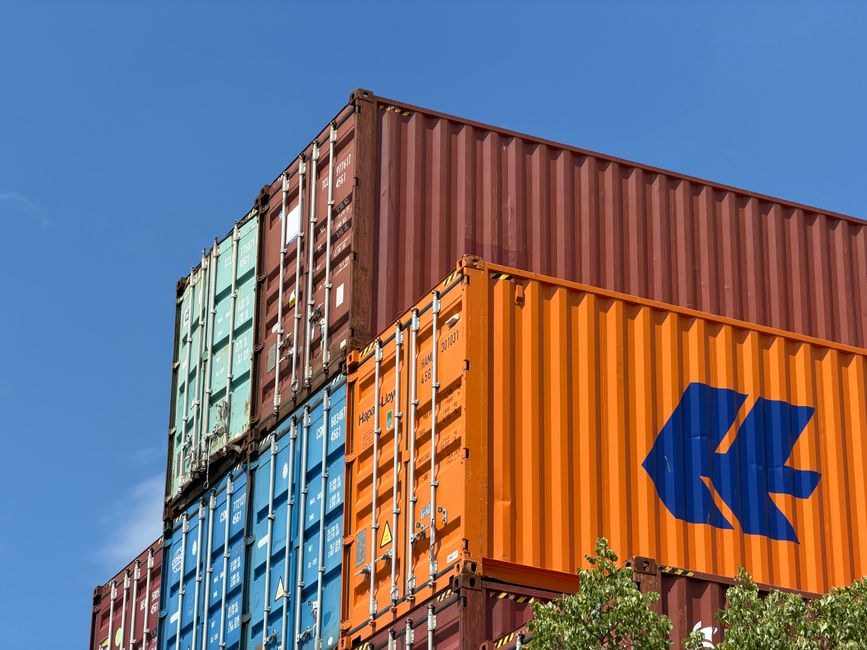
Practical strategies to diversify suppliers, build buffers, and protect your cotton slipper orders from seasonal surges, factory failures, and global disruptions.
If your cotton slipper program depends on one factory, one port, or one fabric mill, you do not have a supply chain. You have a single point of failure that happens to deliver last season. Most importers learn this the hard way when a peak-season rush meets a missed vessel, an overloaded production line, or a raw material shortage. The goal is not to eliminate risk — that is impossible — but to ensure that no single shock can wipe out your winter revenue.
Why Standard Diversification Falls Short
"We already use two suppliers" is the answer I hear most often from buyers who feel protected. But if both factories are in the same province, buy from the same yarn spinners, and ship through the same port, their risks are correlated. A regional power restriction or a port congestion event hits both at once. Real resilience means diversifying along different axes: geography, factory size, and ownership structure.
- Geography: A primary factory in one coastal province and a backup in an inland or secondary region reduces exposure to localized disruptions, though you must verify the backup's quality systems.
- Scale: Pairing a large, low-cost cotton slippers manufacturer with a smaller, more agile workshop gives you volume capacity and quick-turn flexibility.
- Ownership: Factories under different parent companies rarely share the same capacity constraints, labor pools, or financial pressures.
This does not mean splitting a single order 50/50. It means qualifying a second source, placing a trial run, and keeping the relationship warm — even if that second source only gets 10–15% of your annual volume.
Build Redundancy Where It Counts
Resilience costs money, but only a fraction of what a missed season costs. Focus redundancy on the two most vulnerable points: raw materials and shipping.
Cotton and lining fabrics can face price spikes or availability gaps around Chinese New Year or following poor harvests. Ask your factory to hold a small safety stock of the specific greige fabric for your order — often a matter of a few thousand meters. This buffer stock protects you from spot-market price swings and delivery delays.
On logistics, Air freight is too expensive for heavy house slippers at scale, but you can hedge by booking a percentage of volume early on sea freight and reserving a small air capacity for urgent replenishments. Even a modest air allocation — covering a week of sales for your top SKU — can keep a key retail account alive if a container is rolled.
Contracts, Deposits, and Capacity Reservations
A resilient supply chain is also a contractual one. Vague purchase orders invite your order to be deprioritized when a factory is running at full capacity. Two clauses matter more than any other:
- Capacity reservation: Lock in a monthly production slot during your peak window, with a defined penalty for the factory if it fails to deliver. This protects you from being bumped by a larger buyer.
- Material price adjustment: Instead of a rigid unit price, agree on a transparent formula tied to a recognized cotton index. You accept some upside risk in exchange for guaranteed supply when prices spike.
Deposits should be structured to align incentives. A 30% deposit is standard, but tie the balance to a pre-shipment inspection pass, not just a bill of lading. If the factory knows payment depends on quality, your order moves up the priority list.
Monitor the Warning Signs Early
Most supply failures announce themselves weeks in advance. Set up a simple early-warning system with three triggers:
- Lead time creep: If your quoted production time extends by more than 10% without a confirmed reason, investigate immediately.
- Communication lag: Slower responses from your merchandiser often mean the factory is struggling with order flow or cash flow.
- Raw material substitution requests: When a factory asks to switch a lining fabric or trim "temporarily," that is a sign of a sourcing problem that will affect you next.
Act on these signals before you place the next order. A calm phone call to the owner can resolve capacity issues early. A visit to the production floor — or a third-party audit — can confirm whether the problem is temporary or systemic.
Practical Steps to Start This Quarter
You do not need a consulting project. Three moves will meaningfully de-risk your slipper program:
- Identify your single most vulnerable input — likely fabric or a unique trim — and ask your current factory for a documented contingency plan.
- Qualify one alternative winter slippers supplier with a small trial order this off-season, when factories have spare capacity. Test their communication, samples, and delivery before you need them.
- Reserve a modest buffer stock of finished goods for your top two SKUs, held at a 3PL near your main market. This covers a four-to-six week supply gap without air freight.
Resilience is not about predicting the next disruption. It is about building a network where no single disruption is fatal. Start with one backup source, one capacity clause, and one local buffer. That is enough to keep your winter season on track when the unexpected happens.