Pre-Shipment Inspections for Cotton Slippers: A Buyer's Guide
2026-10-12 · pre-shipment inspection, cotton slippers manufacturer, quality control, wholesale house slippers, OEM cotton slippers
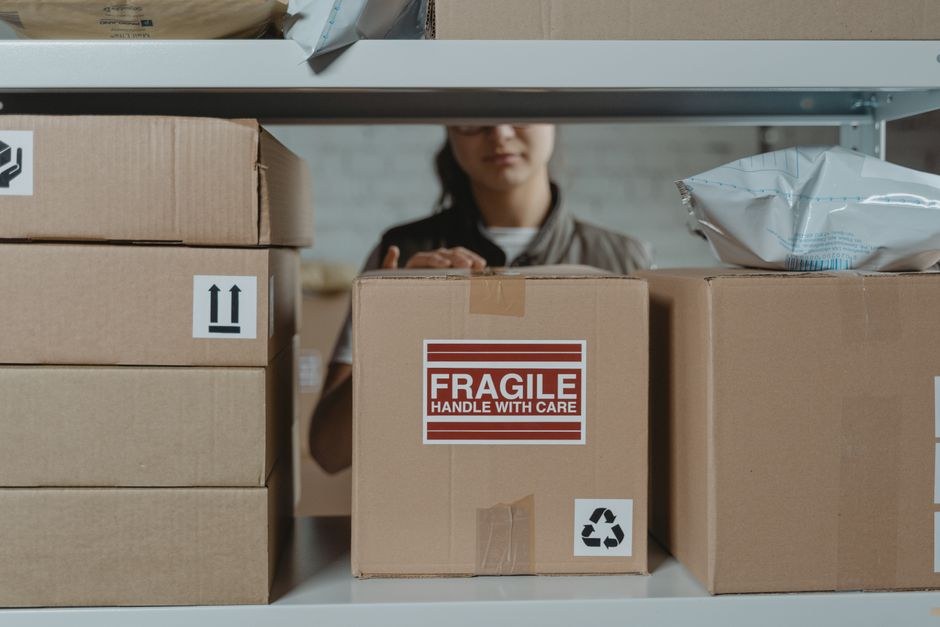
Pre-shipment inspection is your last chance to catch defects before cotton slippers ship. Learn what gets checked, how to book it, and what it costs.
If you only pay for one quality check on a cotton slipper order, make it the pre-shipment inspection. Mid-order checks catch problems while there is still time to fix the line. Pre-shipment inspection — usually done when production is 100% finished and packed, before the container leaves the factory — catches the problems that would otherwise become your problem: mismatched sizes, loose stitching, short cartons, wrong labels. It is the difference between a claim you can file and a container you have to sell at a discount.
Here is what the process actually looks like when you are importing from a cotton slippers manufacturer, and how to get it right without adding unnecessary cost or delay.
What a Pre-Shipment Inspection Actually Covers
A standard inspection for house slippers is not a vague walk through the warehouse. It follows a defined sampling plan, typically based on the AQL tables most third-party firms use. In plain terms, the inspector pulls a set number of cartons and pieces from the finished lot and grades defects against thresholds you agreed to in the purchase order.
Typical checks on a cotton or plush slipper order:
- Workmanship defects — open seams, loose threads, uneven stitching, glue stains, misaligned soles, exposed seams on the upper.
- Measurement and fit — sole length and width against the spec sheet, and consistency across sizes in the same carton. Slippers are forgiving, but a half-size drift across a run is not.
- Materials and handfeel — whether the terry, velour or plush matches the approved sample in weight, nap and colour.
- Colour consistency — against the approved colour swatch or the previous shipment, under controlled lighting.
- Packing and carton integrity — polybag or hangtag specs, assortment ratios, carton marks, carton drop test, and whether the carton count matches the packing list.
- Labelling and compliance — country of origin, fibre content, care instructions, barcodes and any retailer-specific label requirements.
If your buyer is a mid-size supermarket chain, the label audit alone can sink a shipment — a missing care symbol is a chargeback, not a conversation. Make sure the inspector has your full labelling spec, not just the product spec.
How It Differs from a Mid-Order Inspection
Mid-order inspection is a production control tool. You send someone in when the line is maybe 30% to 50% complete to confirm the factory is building to the approved sample and to catch machinery or material problems early. It saves money by preventing a bad run from finishing.
Pre-shipment inspection is a shipment control tool. By the time it happens, the goods are made. Its job is to answer one question: should this lot ship, be reworked, or be rejected? That means the report must be definitive, with photos, defect counts and a clear pass/fail call against your AQL level. If your inspector writes "generally acceptable," you have not received an inspection — you have received an opinion.
Buyers who skip pre-shipment inspection are effectively self-insuring the last 10% of quality risk. If your order value is small, that may be rational. If it is a container, it rarely is.
Timing, Cost and How to Book It
Booking should happen while the goods are packed but not yet loaded. In practice, tell your supplier the inspection window is firm, and make it a condition of the balance payment in the contract. A factory that resists a pre-shipment inspection is telling you something useful about how the run went.
On cost, third-party inspection fees are usually quoted per man-day plus travel, and the price depends on the country, the number of SKUs and the quantity. I will not quote you a figure because it moves; ask two or three inspection firms for a quote against your specific order and you will see the spread in a day. What matters more is what is bundled in: does the quote include the report turnaround time, photos, and a re-inspection discount if the first one fails?
Practical sequence for a wholesale slipper order:
- Lock the AQL standard and defect definitions into the PO, not just the product spec.
- Book the inspection firm before production finishes, not after.
- Send the inspector your approved sample, spec sheet, packing list and label artwork.
- Give the factory the inspection window in writing, with the balance payment tied to a passed report.
- Review the report within 24 hours. If it fails, decide fast: rework, sort, or renegotiate.
One more point on rework: it is normal, and it is not automatically a disaster. A failed inspection that triggers a targeted rework and a re-check is far cheaper than a failed inspection you ignore because the vessel is already booked. Build a few days of slack into your lead time for exactly this.
What to Do Before Your Next Slipper Order Ships
Treat pre-shipment inspection as a line item in your sourcing budget, not an optional extra. Decide your AQL level, put it in writing, and make the final payment conditional on a passed report. Use the same inspection protocol across suppliers so you can compare factories objectively, and keep the reports — they become your baseline for the next order and your evidence if a claim is needed.
If you are working with a cotton slipper factory that already supports OEM cotton slippers and has a track record of passing inspections without drama, keep them. If you are vetting a new one, ask to see three recent inspection reports before you place a bulk order, and ask who paid for them. The answers will tell you more than any showroom sample. When you are ready to move from pilot order to volume, brief your supplier on the inspection terms up front — the good ones will already expect it.