How to Source Organic Cotton Slippers: Certification and Verification
2026-10-12 · organic cotton slippers, GOTS certification, sustainable sourcing, OEM cotton slippers, supplier verification
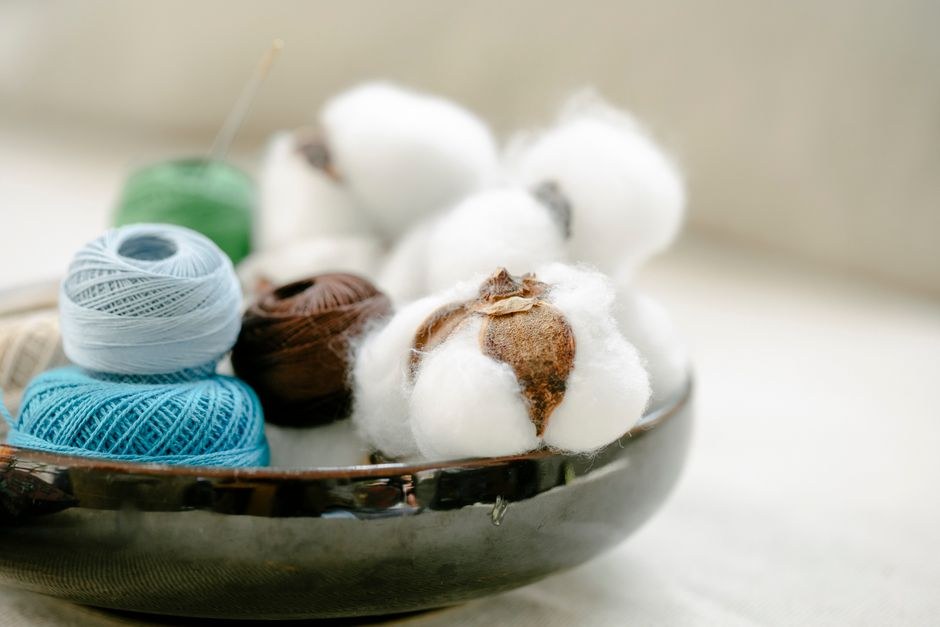
A practical guide to sourcing organic cotton slippers: which certifications matter, how to verify claims, and what buyers must check before committing.
Organic cotton slippers are one of the easiest categories for a buyer to get burned on. The claim sounds simple, but the paperwork behind it is a chain — farm, gin, spinner, knitter or weaver, and finally the slipper factory. If any link is missing, the "organic" label on your retail box is a liability, not an asset. Here is what actually matters when you source.
Which Certifications Actually Apply
Most buyers arrive asking for "organic certification" as if it were one document. It is not. You are usually dealing with three separate layers, and each answers a different question.
- GOTS (Global Organic Textile Standard) — the one to anchor on. It covers organic fibre content, restricted chemicals, wastewater treatment and social criteria, and it applies to the whole processing chain, not just the raw cotton.
- OCS (Organic Content Standard) — lighter. It verifies organic content and traceability from farm to final product but says little about chemical or social practices. Acceptable if your buyer only wants a content claim; weak if your marketing leans on sustainability.
- USDA Organic — relevant to raw fibre inputs and some finished goods in the US market, but not a substitute for GOTS at the textile stage.
A useful rule: ask for GOTS first. If the supplier counters with OCS or a generic "eco certificate," you have learned something about how they work.
The Scope Certificates Buyers Usually Miss
A certificate that names the cotton trader or the yarn spinner does not cover your slipper factory. GOTS works through scope certificates issued to each entity in the chain, and the final product can only carry the GOTS label if every processor between the organic farm and the finished slipper holds one.
So the documents you should actually request are:
- The slipper factory's own GOTS scope certificate, valid on the date of production — not the date of your enquiry.
- Transaction certificates for the specific cotton or fabric batch used in your order. These are issued per shipment and tie the physical goods to the certified chain.
- The spinner's and fabric mill's scope certificates, if your factory buys certified fabric rather than certified yarn.
Transaction certificates are the part buyers skip, and they are the part that stands up in a dispute or a customs query. Without them you have a scope certificate and no proof the certified cotton reached your order.
Reading a Certificate Properly
Check four fields: legal entity name, address, product categories, and expiry date. The entity must match the company you are paying. Product categories must include the relevant textile processing. And watch for certificates that expired last month but are still being circulated in sales decks. Cross-check the certificate number against the issuing body's public database — it takes two minutes and it is the cheapest verification you will ever do.
If a factory cannot produce a transaction certificate that corresponds to your production window, treat the organic claim as unverified, no matter how good the scope certificate looks.
Verification Beyond Paperwork
Documents catch the obvious fraud. They will not catch a chain-of-custody breakdown where certified and conventional cotton get blended on the factory floor. A few measures close that gap.
- Mass balance logic. A GOTS-certified operation can purchase both organic and conventional cotton, then sell a defined volume of organic product. Ask how much certified cotton they bought last year versus how much certified product they shipped. The two should be in a plausible ratio.
- Segregation questions. Ask where organic yarn is stored, how it is labelled on the floor, and how the line is cleaned between runs. Vague answers are common; precise ones usually mean the process is real.
- Private residue testing. Periodic testing for pesticide residues on the finished fabric is inexpensive relative to order value and gives you evidence independent of the supplier's own paperwork.
- Volume realism. Organic cotton is a small share of global supply. If a supplier offers unlimited organic capacity at a price close to conventional, question the supply, not the paperwork.
Labelling and Claims
GOTS has rules about how the logo and claim may be used, and the wording differs depending on whether the product is 95% or 70% organic fibre. Getting this wrong on retail packaging can trigger complaints from competitors or regulators. Confirm with the certificate holder what your specific product qualifies to say, and get that confirmation in writing before artwork is approved.
What to Do Before You Commit
Start by deciding whether you need a full GOTS claim or simply an organic content claim. That single decision changes your supplier pool, your cost, and your marketing language. If sustainability is central to the brand, go GOTS and accept the narrower supplier list.
Then run this sequence:
- Request the slipper factory's valid scope certificate and verify it in the public database.
- Ask which upstream mills hold certificates, and request theirs as well.
- Confirm in writing that transaction certificates will be issued for your order and provided with shipping documents.
- Price the difference. Organic cotton typically adds cost through yarn and certification administration, not through labour — understand which line the premium sits on before you negotiate.
- Order a pre-production sample and, if the order is meaningful, commission one residue test on the finished fabric.
- Keep certified and conventional programmes on separate purchase orders so your traceability is clean if anyone audits you later.
For a first order, consider testing the organic line with a limited run before converting your main range. Sourcing organic successfully is less about finding a supplier who says yes and more about building a paper trail you can defend. Buyers who treat it that way rarely have problems; buyers who accept a logo image in a quotation often do.