Sample Approval in OEM Cotton Slipper Sourcing: A Critical Step
2026-10-15 · sourcing tips,oem cotton slippers,sample approval,quality control,buyer guide
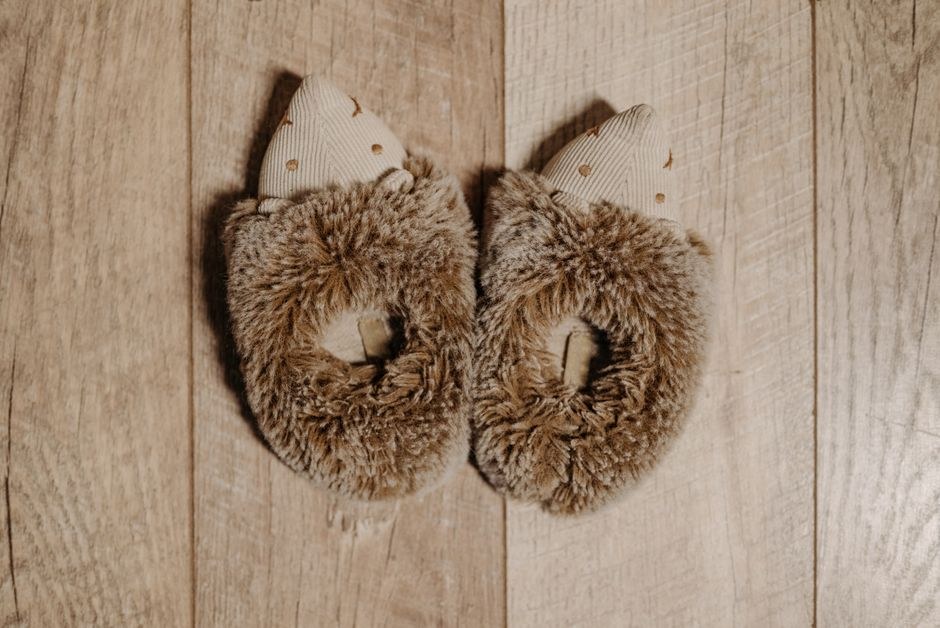
The sample approval stage decides whether your OEM cotton slipper order lands clean or turns into a costly dispute. Here's how to run it properly.
Most OEM cotton slipper disputes I get called into start with a sample that was approved too fast. The buyer saw a nice pair, fired off a "looks good" email, and six weeks later the container arrived with thinner terry, a shorter cuff and a heel that collapsed after two weeks. The factory isn't lying when it says the bulk matches the sample — the sample itself was never precise enough to protect anyone. Sample approval is not a courtesy step. It is your specification. Treat it that way and the rest of the order gets easier.
What actually gets approved
For OEM cotton slippers, approval usually covers three separate artefacts, and collapsing them into one is where problems start.
- Proto sample — the first physical version of your design. It answers whether the shape, proportions and construction are achievable at all. Expect hand-made work here; it is not a production reference.
- Pre-production sample — made with the actual materials, on the actual line, using the actual pattern and cutter. This is the one that matters. What you sign off here is what your cotton slippers manufacturer will be held to.
- Golden sample / reference sample — a signed, dated, physically retained pair. One copy stays with the factory, one with you or your agent. Some buyers also keep a third with the inspection company.
If your supplier only offers "a sample", ask which of these three it is. The answer tells you a lot about how the factory runs orders.
Why the label on the sample matters as much as the slipper
A pre-production sample without a spec sheet is a photograph with no negative. The physical pair will be measured by a QC inspector who may not have been in your approval email thread. The written document is what gets applied at the line.
Your spec sheet should record, at minimum:
- Material name and weight, stated the way the factory states it — not "soft cotton", but the fabric description and grammage on the mill's own paperwork.
- Construction: sole type and thickness, binding method, whether the upper is stitched or glued, and the insole board or foam used.
- Measurements at two or three sizes, not just the middle one.
- Colour references matched to a physical swatch or a recognised colour system — never to a screen.
- Logo, label and hangtag placement with dimensions, plus packaging if it is retail-ready.
Slippers look simple. They are not. A 3 mm difference in sole thickness or a half-centimetre in cuff height changes how premium the pair feels in a buyer's hand, and it changes the cost that was quoted.
How to run the approval itself
Give yourself a real window. A common mistake — I see it most with buyers running their first OEM programme — is approving a sample the same day it arrives because a production slot is closing. That urgency is often of your own making, not the factory's.
A workable sequence:
- Photograph the sample immediately on arrival, with a ruler or tape in frame, before anyone touches it.
- Wear-test one pair for at least several days of normal indoor use. This is where sole flexibility, heel collapse and washing behaviour show up, and it is the part buyers skip.
- Measure against the spec sheet rather than against memory.
- Send a single consolidated comment list in writing, with photographs. Not fourteen separate messages.
- Decide explicitly: approve, approve with revisions, or reject. "Approved with revisions" is the phrase that causes the most trouble later, because nobody agrees on whether the revision was made. Either approve the piece as it stands, or ask for a revised sample.
Allow two to three sample rounds on a genuinely new design, and build that time into your launch date. For straightforward repeats of an existing style, one round is usually enough.
An approved sample is not a promise that the bulk will be perfect. It is the baseline you measure the bulk against. Without it, you have an argument; with it, you have a standard.
The habits that separate clean orders from messy ones
Buyers whose orders arrive without surprises tend to do the same few things.
- They put the sample approval clause in the purchase order, stating that bulk must match the signed reference and that the golden sample is held by both parties.
- They apply the same measurements at the pre-shipment inspection that they recorded at approval. Standard inspection reports check workmanship more than your specific dimensions — ask for your key measurements to be included as a line item.
- They keep the golden sample sealed and away from daylight and handling, so it doesn't yellow or flatten before they need it for a comparison.
- They treat revisions as chargeable when they are genuinely changes, and push back when a factory treats a straightforward correction of its own error as new work.
One more point on cost. Sampling usually carries a fee, sometimes credited against the bulk order. Ask what is credited and under what condition. It shapes how willing the factory is to iterate with you, which is usually what a new product needs.
What to do before you send the next brief
Fix your approval discipline now, not after the first bad container. Concretely: write a one-page spec template you will reuse for every style, decide in advance who inside your business holds approval authority, and tell your supplier at the quoting stage that you will sign off on a pre-production sample and inspect against it. Factories plan differently when they know that. It costs you a little extra time up front and a sample fee, and in exchange it turns your order from a hope into a document. If you are starting with a new cotton slipper factory, ask to see how they normally document approvals before you place anything — the answer is one of the cheapest signals you will get about how the whole order will go.