Negotiating Payment Terms with a Cotton Slipper Supplier: Best Practices
2026-10-18 · payment terms,cotton slippers,sourcing,negotiation,wholesale
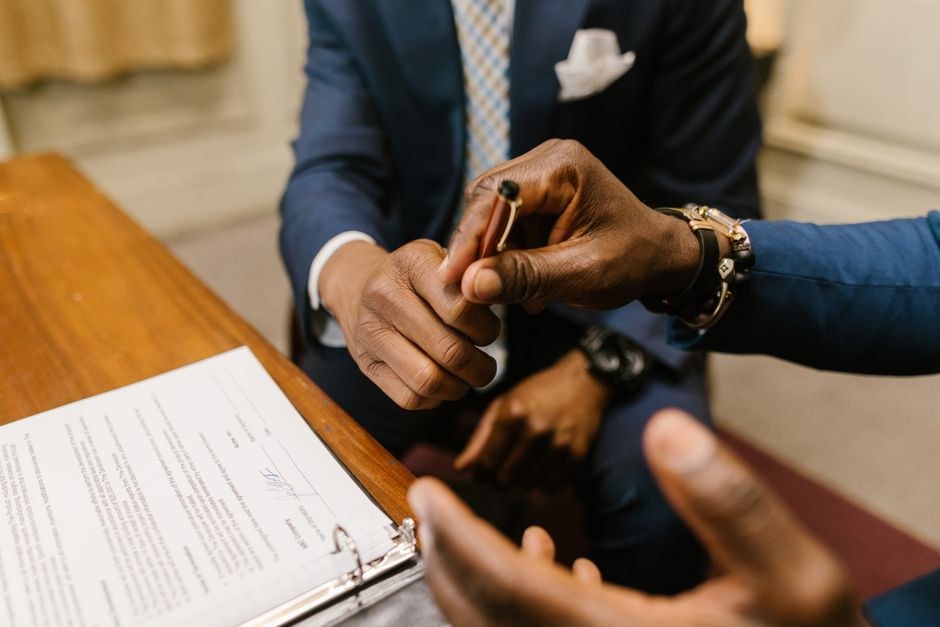
A practical buyer's guide to negotiating deposits, letters of credit and balance payments with a cotton slipper supplier, and what each term means for your cash flow and risk.
Payment terms are where a sourcing deal either holds together or quietly bleeds your margin. Most buyers spend weeks on unit price and ten minutes on the payment schedule, then discover at deposit time that the terms they accepted lock up cash for three months or expose them to a factory they have never audited. Getting the payment structure right is as valuable as shaving a few cents off the FOB price — often more so.
Know What Each Payment Structure Really Means
Suppliers describe terms in shorthand, and buyers often assume they mean the same thing across factories. They do not. Below is a practical translation of the common options you will meet when talking to a cotton slipper supplier.
- 30/70 T/T (telegraphic transfer). You pay 30% to start production, 70% before shipment. The default for many factories, and the one that carries the most cash-flow risk for you if the order is large.
- Letter of credit (L/C). Your bank guarantees payment once shipping documents are presented and verified. Protects both sides, but adds bank fees and paperwork, and not every cotton slipper supplier has the appetite or capacity to handle L/C compliance.
- Deposit plus balance against bill of lading copy. A middle path: you release the balance once the goods are on the water, not before. Better for you than pay-before-shipment, and usually acceptable to a factory with a clean track record.
- Open account (O/A). Payment 30–60 days after shipment. Rarely offered to new buyers, but negotiable once you have volume history.
None of these is inherently fair. What matters is which party holds the risk at each stage. A 30/70 T/T shifts almost all risk to you until the goods are loaded; an L/C spreads it. Decide how much risk you can absorb before you start the conversation.
Align Payment Stages with Production Milestones
The most useful negotiation is not over percentages but over triggers. Ask the factory to tie payment to production stages you can verify:
- Deposit on PO confirmation — 20–30% is typical for a cotton slipper factory.
- Second tranche once materials are in-house and cutting has started — often 20–30%. This is where you can ask for photo evidence of fabric arrival or a brief video call.
- Balance against a copy of the bill of lading or a pre-shipment inspection report, not against a verbal "ready" notice.
A factory that resists milestone-based payments is telling you something about how it manages cash. That is worth noting in your supplier scorecard, even if you ultimately accept the terms.
Use Volume and Reorder History as Leverage
New buyers have little room to negotiate; buyers with a predictable reorder cycle have a lot. If you can show a cotton slipper manufacturer a twelve-month forecast, or a pattern of repeat orders in the same designs, you can ask for concrete improvements:
- Reduced deposit percentage on reorders (say, 20% instead of 30%).
- Balance payment against B/L copy instead of before shipment.
- Longer validity on quoted prices so you can plan around them.
- Staged deposits split across material purchase and production start.
These are easier for a factory to grant than a lower unit price, because they affect timing, not absolute margin. Frame the request that way and you will get further.
Protect Yourself Without Poisoning the Relationship
Payment terms are also a risk-management tool. A few practical safeguards work across almost any supplier:
- Name the correct beneficiary. Confirm the bank account matches the company name on the contract. Requests to pay a "sister company" or a personal account are a red flag, full stop.
- Write down the refund trigger. If the order is cancelled due to the factory's failure to produce to the approved sample, the deposit should be returnable. Put that in the contract, not the email thread.
- Link the final payment to inspection. Make the balance payable on a passed pre-shipment inspection, not on a production completion date. This is the single most useful clause you can add.
- For OEM cotton slippers, remember that tooling and sample costs may sit outside the main payment schedule. Agree separately whether sample fees are deductible from the bulk order — most factories will credit them against a first order of sufficient size.
Be direct about these points early. A supplier who treats them as hostile is probably not the one you want handling a seasonal order with a hard delivery window.
What to Do Before You Sign
Before you commit to any payment schedule, do three things. First, get the terms in the contract, not just the proforma invoice — proformas are often amended informally and quietly. Second, decide your maximum acceptable cash exposure per order and negotiate backwards from that number rather than accepting a template. Third, run a quick bank-detail verification directly with the factory's finance contact by phone or video, not by email alone. If your volumes justify it, an L/C for the first order with a new cotton slipper supplier, moving to T/T with a smaller deposit on reorders, is a reasonable progression. It shows commitment while keeping your risk bounded. And if a factory will not move on any term at all, ask yourself whether the price is really covering the risk you are taking.