Negotiating MOQs with Cotton Slipper Manufacturers: A Buyer's Guide
2026-10-17 · MOQ, sourcing, negotiation, cotton slippers, OEM
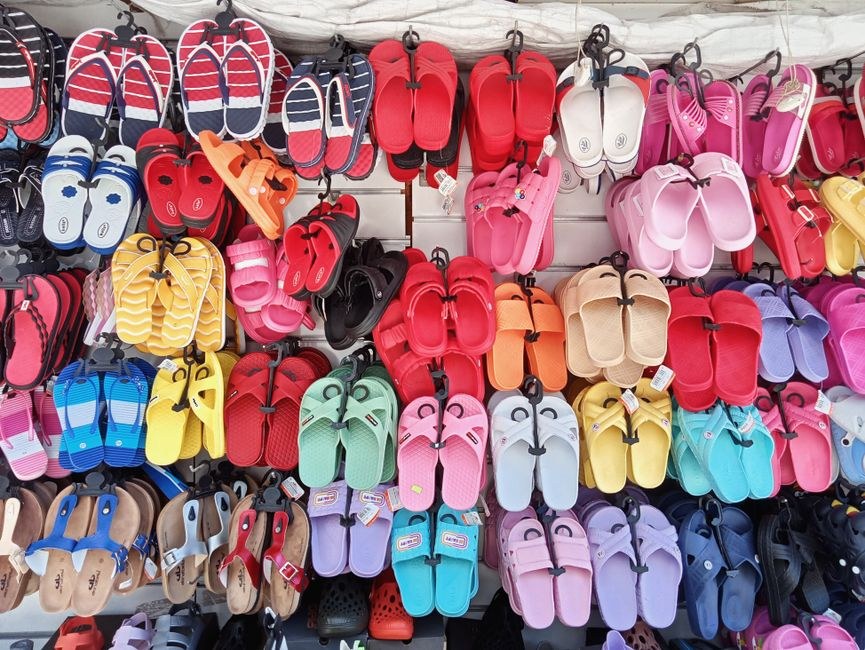
Learn practical strategies for negotiating minimum order quantities with cotton slipper factories, including leveraging stock materials and blended orders to reduce risk.
Why MOQs Exist and What They Really Cover
Most buyers treat the minimum order quantity as a wall. It is not. It is a number a factory calculates to protect its own economics, and those economics are rarely explained. When you understand what drives a cotton slippers manufacturer's floor, you can negotiate around it without insulting anyone.
A typical MOQ is not one number. It is usually the highest of several floors:
- Fabric mill minimums – the mill that weaves your terry or velour may not sell less than a certain yardage.
- Cutting and sewing line setup – changing a line from one style to another costs time, so small runs must carry that cost.
- Dye lot minimums – custom colors often require a minimum dye batch.
- Packaging runs – printed polybags or gift boxes have their own minimums.
If you ask for a lower MOQ, you are asking the factory to absorb one of these floors. The successful negotiator offers something in return: a longer-term commitment, a higher unit price, or a design that avoids the expensive floor altogether.
Strategies to Lower Your First Order MOQ
You do not need to accept the first quote. You need to change the variables that drive the number. Here are practical angles that work with most cotton slipper factories in China and elsewhere.
1. Use stock fabrics and colors
If you can live with the factory's existing fabric and thread colors, you remove the dye-lot minimum. A factory that already stocks a 300gsm white terry can run a small trial order without buying new material. Ask for their stock list before you design anything.
2. Offer a blended order
Instead of one style in one color, propose a single purchase order that mixes two or three styles, as long as they share the same sole, lining and packaging. The factory's setup cost is spread across the whole run, and your style diversity increases. A hypothetical example: a mid-size supermarket chain might order 1,200 pairs split across three colorways of the same mule rather than 400 pairs of three different constructions.
3. Accept a higher unit price for the first run
Factories will often accommodate a small trial if the unit price covers the inefficiency. Paying a modest premium on the first order is cheaper than sitting on unsold inventory. Tie the higher price to a specific condition: the price drops to standard once you place a follow-up order within a set period.
4. Provide your own packaging
If printed packaging is the bottleneck, use plain polybags for the trial and add custom labels later. This removes a minimum from the equation entirely.
5. Ask about open stock or ready-to-ship programs
Many OEM cotton slippers suppliers keep surplus from large runs. These are usually available in smaller quantities and can be branded with a sewn-in label. It is not a custom design, but it is a low-risk way to test a market.
What to Offer in Exchange for a Lower MOQ
Negotiation is a trade. If you want the factory to bend on volume, be ready to give something that reduces their risk. Useful currencies include:
- Deposit percentage – offering a higher deposit, say 50% instead of 30%, signals commitment and reduces the factory's cash risk.
- Payment terms – paying the balance before shipment rather than after arrival is a meaningful concession for a small factory.
- Forecast – share a realistic 12-month forecast, even if non-binding. Factories plan capacity around forecasts.
- Design simplicity – a slipper with fewer panels, no embroidery, and a standard sole is easier to run in small batches.
- Flexible delivery window – if you can accept shipment within a broader window, the factory can slot your order into gaps between larger runs.
Put these on the table early. A buyer who says "I need 500 pairs" without offering anything else is asking for a favor, not negotiating.
Red Lines and When to Walk Away
A factory that refuses any flexibility on a reasonable trial order may not be the right partner for a new relationship. That said, some minimums are genuinely fixed. Watch for these signs that a lower MOQ is not achievable:
- The fabric itself is custom-developed and the mill will not weave a short run.
- The sole is molded exclusively for you, and the mold amortization requires a large volume.
- The factory is already running at capacity and has no reason to take small, disruptive orders.
If you encounter these, consider a sourcing agent who can aggregate your order with others, or start with a stock design from a wholesale slippers program. Do not force a custom program into a small first order if the fundamentals say otherwise.
Actionable Steps for Your Next Negotiation
Before you send that first inquiry, do three things. First, define your true minimum viable order — the number you can sell without discounting. Second, identify which MOQ component is driving the factory's number. Third, prepare two or three concessions you are willing to offer. Then approach two or three cotton slipper manufacturers with a specific proposal: your target quantity, your willingness to use stock materials, and your deposit terms. Ask them what they can do. You will often find that the door is more open than the published MOQ suggests.