How Retail Buyers Negotiate Lower MOQs with a Cotton Slipper Manufacturer
2026-10-23 · MOQ negotiation,cotton slippers,wholesale sourcing,OEM manufacturing,buyer guide
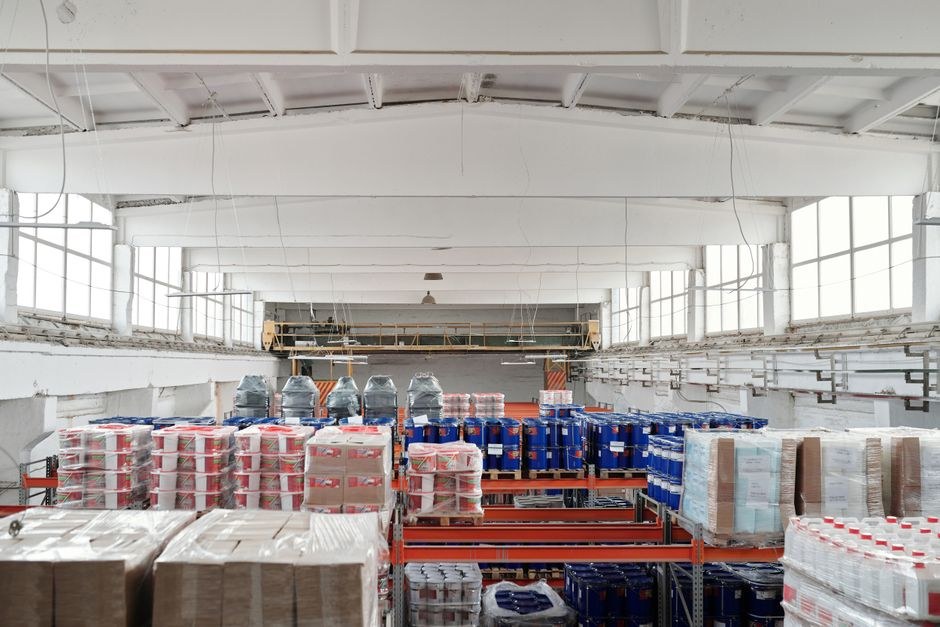
Practical tactics for retail buyers to negotiate lower MOQs with a cotton slipper manufacturer, including style mixing, graduated pricing, and sample orders.
Most retail buyers treat the MOQ as a fixed number. It is not. A cotton slipper manufacturer sets MOQs to cover setup costs, raw material minimums, and production scheduling. None of those are immovable. If you understand what drives the number, you can negotiate it down without damaging the relationship or the unit price.
Why MOQs Exist and Where They Bend
Before you negotiate, know what the factory is protecting. The MOQ on a cotton slipper order usually reflects three costs: fabric minimums from the mill, cutting and sewing line setup, and packing materials. A factory quoting 2,000 pairs per style is often covering a fabric dye lot that starts at 1,500 meters. If your design uses a stock fabric, that constraint disappears.
Lower MOQs are easiest to negotiate when you remove the factory's setup risk. That means choosing existing materials, avoiding new colorways, and accepting a standard outsole. If you insist on a custom-dyed upper, expect the MOQ to stay high or the price to rise. For a first order, ask the cotton slipper manufacturer which components are stock and which are custom. The answer tells you where the real flexibility is.
Tactic 1: Style Mixing to Hit a Single MOQ
Instead of asking for 500 pairs of one design, propose 1,500 pairs split across three colors or two upper patterns that share the same last and outsole. The factory runs one production line, one cutting setup, and one packing schedule. From their side, the order is still 1,500 pairs. From yours, no single SKU carries a heavy inventory risk.
This works best when the styles are genuinely similar. A buyer who asks to mix a terry slip-on with a plush boot in the same MOQ is asking the factory to absorb two separate setups. Keep the mix within a family: same construction, different prints or colorways. Say a mid-size supermarket chain wants to test four colorways for a winter promotion. Proposing 400 pairs each across a shared construction is a credible ask; proposing 400 pairs of four unrelated designs is not.
Tactic 2: Graduated Pricing Instead of a Hard Floor
A flat refusal on MOQ ends the conversation. A graduated price schedule keeps it open. Offer to pay a modest per-unit premium on the first order in exchange for a lower minimum. For example, the factory quotes a base price at 2,000 pairs. You commit to 800 pairs at a higher unit cost, with the price stepping down on the next order once the style is proven.
This works because the factory recovers setup cost through price rather than volume. It also signals that you are not asking for a favor; you are restructuring the deal. Be explicit about the follow-up order timeline. A vague promise of more volume later carries little weight. A written plan for a second order within a set season does.
- Ask for a price at your target volume and at the factory's standard MOQ.
- Compare the gap. If the difference is small, the MOQ is softer than quoted.
- Propose the lower volume at a price between the two, with a defined second order.
Tactic 3: Use Samples and Stock Programs as Leverage
Many factories will accept a small trial order if it is framed as a sample run that leads to a stock program. The key is to make the trial easy: choose a stock material, accept the factory's standard packaging, and do not ask for custom labels on the first run. This reduces the factory's risk to almost nothing beyond cutting and sewing time.
A paid sample order of 100 to 300 pairs is often the cheapest way to test a new supplier. It gives you a real production sample, not a hand-made prototype, and it gives the factory a reason to prioritize your account. If the trial sells, the next order is a straightforward volume conversation. If it does not, you have lost little. Either way, ask the manufacturer to confirm in writing that the trial volume does not set a precedent for future orders.
What Not to Do When Pushing for a Lower MOQ
Negotiating MOQ is not about winning a number. It is about matching the order size to the factory's real cost structure.
Three moves backfire. First, demanding a low MOQ without adjusting price or materials tells the factory you do not understand their costs. Second, splitting a small order across too many styles turns a simple job into a complicated one and invites a higher quote. Third, promising large future volume you cannot guarantee damages credibility. A factory that has been burned once will quote high MOQs to you on every subsequent order.
Also avoid negotiating MOQ through a trading company if you can go direct. Trading companies add a layer, and their MOQs are often set by the factory behind them. If you are using an agent, ask them to introduce the MOQ discussion to the cotton slipper factory directly.
Putting It Into Practice
Start with a clear brief: target volume, target price, and which elements are flexible. Then ask the factory three questions in writing: what is the MOQ per style, what is the MOQ per color, and what is the MOQ if we use stock fabric and standard packaging. The gap between those answers shows you the negotiation room.
From there, choose one tactic. If your designs are similar, propose style mixing. If you need a small first order, propose graduated pricing or a paid trial. If you are unsure about the supplier, start with a sample order and treat the MOQ conversation as a second step. Whichever route you take, get the agreed volume, price, and delivery window into the purchase order. A verbal MOQ concession is not a concession until it is documented.