How to Build a Multi-Style Slipper Collection with One Factory
2026-10-28 · sourcing tips,multi-style collection,production planning,supplier management,MOQ
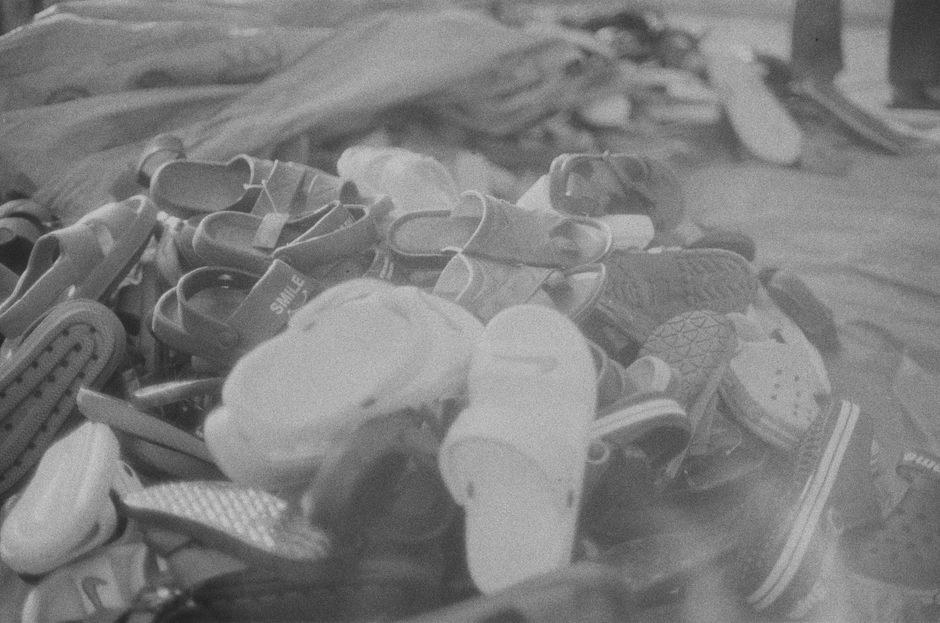
Bundling several slipper styles into one consolidated order with a single factory changes pricing leverage and production planning. Here is how to structure it.
A multi-style slipper collection sourced from one factory can lower unit costs and simplify logistics, but only if you structure the order around shared materials, realistic MOQs and a production calendar the factory can actually run.
Why bundle styles with one factory
Bundling styles is less about squeezing the lowest quote on each SKU and more about how the total order behaves. When you place four or five styles with a single supplier, the factory sees one relationship, one set of materials and one shipment window. That changes the conversation from "what is your price for this style" to "what does this programme cost us to run."
For buyers, the practical benefits are usually in three places: material purchasing, sampling and logistics. A factory buying terry cloth, lining, thread and packaging for several styles at once has more room to absorb small per-style quantities. Sampling can be sequenced so one round of fit corrections covers a family of related designs. And consolidating finished goods into fewer cartons and one booking reduces freight administration, even if the total volume is unchanged.
The trade-off is dependency. If one style in the bundle runs late, the whole shipment can slip. That is why How to Build a Multi-Style Slipper Collection with One Factory has to be planned as a programme, not as separate orders that happen to share a supplier.
Design the collection around shared components
The most effective multi-style orders are built from a common platform. Start with the parts that are expensive to change: sole unit, last shape, lining, and the way the upper is stitched to the sole. If three styles share the same sole and last, the factory can run them through the same line with minimal reset time. If every style has a different sole, you have effectively placed three small orders and lost most of the leverage.
Use a simple matrix to force the decision before sampling:
- Shared sole and last across at least two or three styles.
- Common lining and wadding where the comfort story allows it.
- One embroidery or print family rather than unrelated artwork for each style.
- Packaging that differs only by label or sticker, not by carton size.
This is also where a cotton slippers manufacturer can add value early. Ask for a component map before you approve samples: which parts are common, which are unique, and where the factory expects changeover time. A supplier that cannot produce that map is probably quoting each style in isolation.
Colour is the quiet cost driver. A collection in four colourways of the same fabric is a very different order from four fabrics in one colourway each. Keep the palette tight in the first season and expand once the styles prove themselves.
Set MOQs and pricing tiers per style, not per order
One of the most common misunderstandings in a multi-style order is assuming that a large total quantity automatically lowers every style's minimum. It usually does not. Factories set MOQ by the constraints of the smallest run: cutting, setting up embroidery, dyeing a specific colour, or printing a specific label. A 10,000-pair order split into five styles of 2,000 pairs each may still hit the same per-style minimums as five separate orders.
Ask for the quote broken down by style, with the MOQ stated for each one, and then ask which styles can share a minimum because they use the same fabric and construction. You will often find that two or three closely related designs can be combined into one production run, while an outlier style carries its own minimum. This is the practical side of How to Build a Multi-Style Slipper Collection with One Factory: the leverage only pays off when the minimums are negotiated style by style.
Treat the collection as a portfolio: a few volume styles that carry the price, and one or two test styles that earn their place through differentiation, not through volume.
Pricing tiers should be negotiated on the total programme, but applied per style. That way, if you drop a weak style after the first season, the remaining styles do not suddenly lose their tier. Put the tier logic in writing before the deposit.
Plan production and shipping as one calendar
Multi-style orders fail on sequencing more often than on price. The factory has to slot several styles into the same production window, and each style has its own material lead time. Embroidered uppers may need digitising and a trial stitch-out; a new sole may need a mould; packaging may need printing. If those are treated as parallel tasks with no buffer, the last style becomes the critical path for the whole shipment.
Build a simple calendar with the factory and agree on three dates: material readiness, start of bulk production, and ex-factory. Then work backwards. If one style depends on a new embroidery file, its sample approval has to happen earlier than the others. If another style uses a stock fabric, it can be pushed later without risk.
Shipping is where consolidation pays off, but only if the cartons are ready together. Partial shipments can be sensible for a first season, but they multiply freight costs and paperwork. Decide early whether you will ship the collection as one booking or split it by style family, and make sure the factory's packing plan matches that decision. For a mid-size retailer, say a regional homeware chain, a single consolidated booking is usually simpler than three separate ones, even if it means holding one style for a week.
How to Build a Multi-Style Slipper Collection with One Factory also means one point of accountability. When something goes wrong, you are not mediating between three suppliers. That is worth paying a little for, but it only works if the factory has visibility of the whole programme from the start.
Practical steps before you commit
Before you place a multi-style order, run through a short checklist with the factory. It will surface most of the problems while they are still cheap to fix.
- Component map: list shared and unique parts for every style, and confirm which parts drive MOQ.
- Per-style quote: get unit price, MOQ and lead time for each style, plus the tier logic for the total programme.
- Sampling sequence: agree which styles share a sample round and which need their own.
- Production calendar: set material readiness, production start and ex-factory dates for the collection as a whole.
- Packing and shipping plan: decide one booking or split shipments, and confirm carton dimensions and labelling per style.
- Exit clause: agree how the programme is re-priced if a style is dropped or added in the next season.
A collection built this way is easier to repeat. The second season starts from a known component base, a known calendar and a factory that already understands how your styles fit together. That is the real return on consolidating with one supplier: not a single lower quote, but a programme you can plan around.