Moisture-Wicking and Breathability in Cotton House Slippers
2026-10-26 · moisture-wicking,breathability,cotton slippers,material selection,wholesale sourcing
Why sweat management and airflow matter in cotton house slippers, how material choices affect thermal comfort, and what buyers should specify to avoid returns.
Why moisture management is a sourcing decision, not a detail
Most cotton house slippers fail in the same quiet way: the buyer wears them for an hour, feels damp, and never reaches for them again. That is not a stitching defect or a color problem. It is a comfort failure rooted in how the material handles sweat and airflow. If you are sourcing for a retail program, this is the difference between a repeat purchase and a markdown.
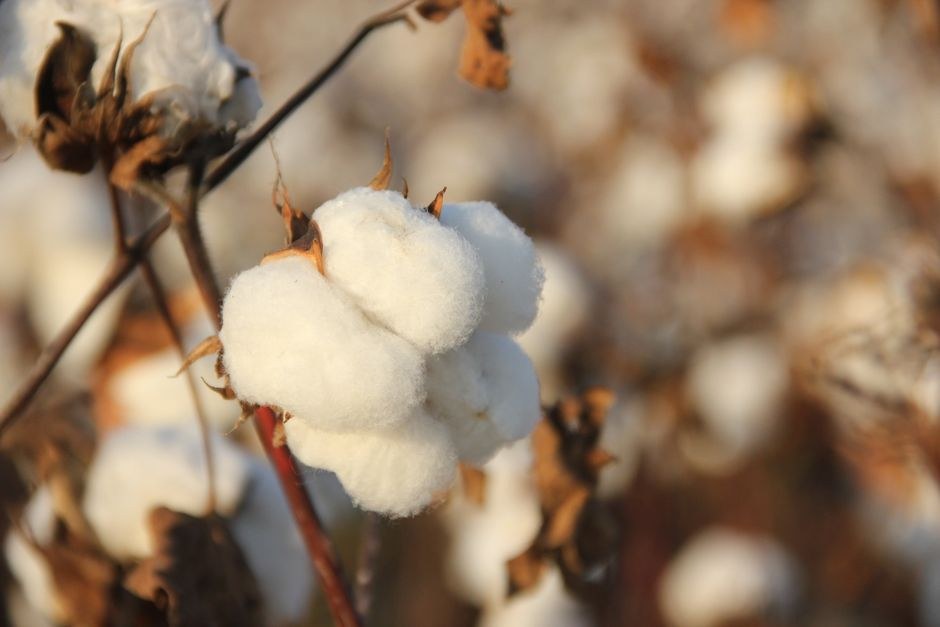
Cotton has a natural advantage here. It absorbs moisture well and releases it faster than synthetic fleece. But cotton house slippers are not automatically breathable. Lining, padding, sole construction, and upper density all determine whether the foot stays dry or sits in a warm, humid pocket. Treat moisture management as a specification you write down, not a quality you hope for.
The three layers that decide breathability
Think of a slipper as three layers: the upper, the lining, and the sole assembly. Each plays a different role in moving moisture and heat away from the foot.
Upper: openness matters more than fiber content
A tight-knit cotton upper can trap moisture as effectively as a synthetic. Open weaves, terry loop surfaces, and breathable knits allow air exchange. If your design uses a dense woven cotton, expect less airflow unless you add ventilation through the lining or footbed. This is why two slippers labeled “100% cotton” can feel completely different after twenty minutes of wear.
Lining: the hidden variable
Many slippers pair a cotton upper with a polyester fleece lining. That lining is soft and cheap, but it does not wick. It holds moisture against the skin. For a slipper positioned as breathable, specify a cotton or cotton-blend lining, or a moisture-moving synthetic designed for the purpose. Ask your cotton slippers manufacturer for the lining composition in writing, not just the upper.
Footbed and sole: where heat builds
A thick EVA or rubber sole insulates the foot from the floor, which is good for warmth and bad for heat buildup. Memory foam adds cushioning but often reduces airflow. If thermal comfort is part of your product story, consider a footbed with a cotton terry cover and a sole that is thick enough for indoor use but not so thick that it turns the slipper into an oven.
What to specify when you place an order
Vague briefs produce vague results. The factory will make what you ask for, so ask precisely. Use a tech pack that lists fiber content by layer, fabric weight, and any breathability or moisture tests you expect. If you do not have a tech pack, your manufacturer should be able to help you build one, but you must approve the final specification.
Practical specifications to include:
- Fiber content by component: upper, lining, footbed cover, and filling. Require percentages, not just “cotton.”
- Fabric weight and construction: terry loop, velour, knit, or woven. Weight affects both warmth and drying time.
- Lining material: cotton, cotton-poly blend, or moisture-wicking synthetic. Avoid unspecified fleece if breathability is a claim.
- Footbed construction: foam type, thickness, and cover fabric.
- Ventilation features: open weaves, mesh panels, or perforated footbeds where appropriate.
For wholesale programs, add a moisture management test to your pre-production sample approval. Simple in-house wear trials and wash tests reveal a lot. If you need formal data, ask the factory which third-party lab they use and what test method applies. Do not accept “it feels breathable” as evidence.
Where buyers get moisture claims wrong
The most common mistake is treating breathability as a marketing adjective rather than a physical property. A slipper can be 100% cotton and still feel clammy if the lining is synthetic and the sole is sealed. Another mistake is assuming thicker equals better. In warm indoor environments, a heavy slipper with a thick foam footbed will trap heat regardless of the upper fiber.
There is also a cost angle. Moisture-wicking linings and breathable constructions usually add cost per pair. If your retail price point is tight, you may need to choose which claims you can honestly support. A slipper that is warm and dry for short wear is a different product from one designed for all-day comfort. Decide which one you are selling before you negotiate price.
Breathability is a system property, not an ingredient. Specify the system or accept the default.
Actionable steps before your next order
Start with a wear trial. Order a small batch of samples with two or three lining and footbed combinations, then have people wear them for an hour in normal indoor conditions. Ask specific questions: Did your feet feel damp? Did the slipper feel hot? Would you wear them again? This is faster and cheaper than a lab test and often more revealing.
Then lock the specification. Put fiber content, fabric weight, lining type, and footbed construction into your purchase order and sample approval sheet. If you are working with a cotton slippers manufacturer in Cixi or elsewhere, confirm that the mass production will match the approved sample. Breathability is easy to lose when a factory substitutes a lining or foam without telling you.
Finally, plan your marketing claims around what you can verify. If you have not tested moisture management, do not claim it. Instead, describe the materials and construction honestly, and let the comfort speak for itself. Buyers who get a dry, comfortable slipper will come back. Those who get a damp one will not, and no price discount fixes that.