Mini-MOQ Strategies for Testing New House Slipper Designs
2026-10-11 · mini-MOQ, cotton slippers, house slippers wholesale, OEM cotton slippers, sourcing tips
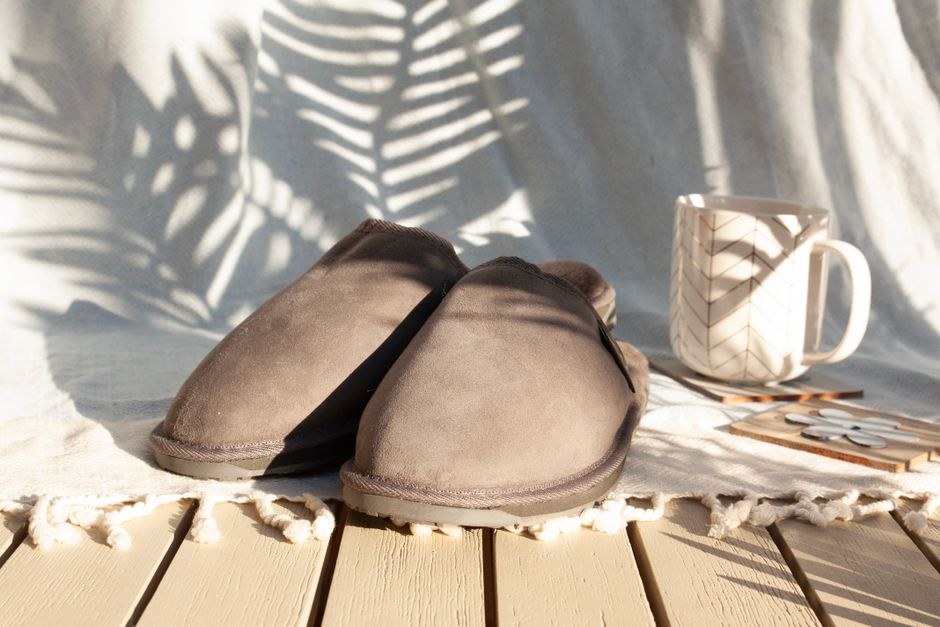
Mini-MOQ trials let you test new house slipper designs with real buyers before committing to bulk. Here is how to negotiate them with a factory.
If you are sourcing slippers from a cotton slipper manufacturer, the fastest way to lose money is to bet a full container on an untested design. The fastest way to learn whether a design works is a mini-MOQ trial run. The hard part is that most factories prefer not to quote the order at all.
What follows is how to structure these trials so the factory says yes, without paying a punitive unit price that destroys your margin before you have even collected feedback.
What a mini-MOQ trial actually is
A mini-MOQ trial is a commercial order for a new design that is smaller than the factory's stated minimum, but large enough to give real production data — cutting, stitching, packing and shipping to a few stores or one online listing.
Typical paths, from the factory's point of view:
- Trial as a paid sample batch. The factory makes a few dozen pairs at sample rates, without committing to bulk. Useful for fit, handle and colour approval, but expensive per pair.
- Trial as a pilot run. A small production run — a few hundred pairs — scheduled after a larger existing order. You get factory pricing on the trial pairs, but you accept longer lead times because your run fills spare capacity.
- Trial linked to a bulk commitment. You place a small order now with a written intention (not a legal obligation) to move to bulk if the trial meets agreed sell-through thresholds. This is the configuration most factories prefer, and for good reason.
Why factories resist small orders
A cotton slipper factory is a series of setup decisions: die cutting for the sole, cutting for the upper, edge binding, embroidery position, packaging print. Each time the line changes over, someone is loading settings instead of producing sellable pairs.
That is why a manufacturer would rather sell 5,000 pairs of one style than four styles at 1,250 pairs each. The resistance is rarely about you. It is about line changeover cost.
Three practical consequences follow:
- The smaller the run, the more your price is driven by setup, not materials.
- Peak season is not the time to ask. If the factory is running winter orders at the same time, your mini-MOQ gets pushed repeatedly.
- A trial with a new upper material, a new sole mould and new packaging is not one trial, it is three. Each one adds a cost and a risk.
The exception is a design your buyer requests from inside the factory's existing tooling. Cotton slippers that reuse known materials, patterns and sole lasts can be trialled at drastically better terms because almost no setup is needed.
The terms that matter more than price
When you negotiate a mini-MOQ, do not fixate on the per-pair cost of the trial alone. It is almost always higher than bulk. Instead, lock down what happens next.
- Price at the next tier. Agree on paper what the unit price will be at 2,000, 5,000 and 10,000 pairs, so the trial does not reset the commercial relationship.
- Trial cost credit. Some factories will deduct part of the trial tooling or packaging plate cost from the first bulk order.
- Repeatability. Confirm that the trial batch and the bulk order will come from the same materials and the same line. A trial made in a different setup proves very little.
- Timing. Put the trial and the bulk decision date in writing. A trial without a decision date becomes inventory drift.
Take the pricing structure as seriously as the unit price. If you can pay a deposit for the trial and agree to 30/70 terms on bulk, the factory's exposure is small and the conversation usually moves quickly.
How to present the trial request
The factories that say yes are not the cheapest ones. They are the ones that believe the bulk order is real. So make it real.
Describe your route to market: which stores, which online platform, what you expect to sell in the first eight weeks. Say a mid-size supermarket chain is buying 30,000 seasonally. A trial order that could lead eventually to 30,000 pairs is treated differently from a request for "just a few hundred to see."
Then make the design easy to build. Bring a physically based spec, not a concept board: upper materials by name, sole type, colour references, packaging format and artwork in a usable file. An OEM cotton slippers project that arrives with everything defined gets a faster, more accurate quote.
One more thing. Do not ask for a mini-MOQ on four new designs at once. Ask for one, prove the process works with that factory, then scale the number of patterns. Trial capacity is a privilege, not an entitlement, and it is renewed by paying on time.
What to do next
Shortlist two or three cotton slipper manufacturers that already make the construction you need. Ask each the same three questions: the smallest repeatable run they will quote, the setup cost involved and the lead time at your planned order date.
Compare proposals on total landed cost for the trial, not unit price alone. Then negotiate the credit terms and the bulk price ladder in the same document. If the trial works, the bulk order becomes a scheduling matter rather than a negotiation. If it does not, you have spent a few hundred pairs of production cost to avoid a warehouse full of a product nobody wants.