How Material Selection Impacts Cotton Slipper Cost and Quality
2026-10-13 · cotton slippers manufacturing,material sourcing,cost engineering,product quality,house slippers
Raw material choices drive 60-70% of cotton slipper cost. This manufacturer's guide explains how fabric, sole, and lining decisions affect quality and pricing.
As a cotton slippers manufacturer, we see buyers scrutinize quotes line by line, yet many overlook the single biggest cost and quality lever: material selection. In most projects, raw materials account for 60–70% of the ex-works price. Change the fabric from a mid-weight cotton to a heavier brushed cotton, and your cost can shift by a few dollars per pair while comfort and durability shift even more. Material choice also determines how your product survives a retail season — pilling, sole separation, and color fading are not random defects; they are predictable outcomes of what you specified.
Price and quality are not opposing forces. They are both downstream of the same decision. If you want a lower-cost slipper, you must accept a trade-off in hand feel, longevity, or both. If you want premium quality, you must budget for better inputs. The question is not "how cheap can I make this?" but "which materials justify the retail price I plan to charge?"
Fabric: The price anchor of every slipper
Cotton slippers are often described as if "cotton" were a single material. In practice, the face fabric ranges from light terry (around 250–320 GSM) to dense velour or brushed cotton (400–500 GSM). Heavier fabric uses more yarn, takes longer to knit or weave, and requires more careful cutting to avoid bulk. That is why a 500 GSM velour upper can add several dollars per pair compared to a 280 GSM terry — before you add lining or labor.
Fabric composition matters too. A 100% cotton upper feels breathable and natural, but it can shrink slightly and wrinkle. Blends with polyester or viscose improve shape retention and reduce cost, but may feel less premium at the shelf. For many house slippers wholesale programs, a 65/35 cotton-poly blend hits a commercial sweet spot: soft enough for comfort, stable enough for machine washing, and priced below pure cotton.
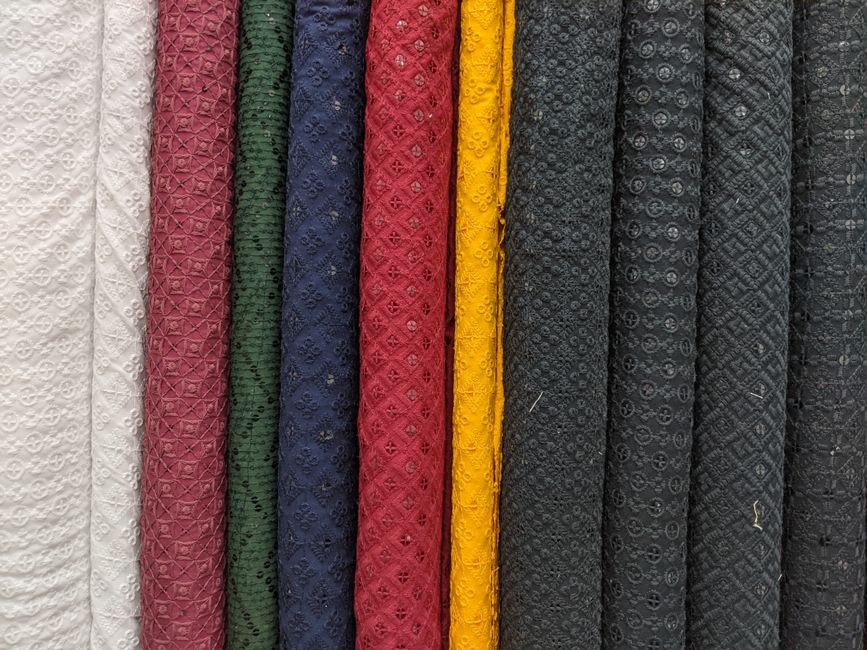
We typically show buyers three fabric options side by side: a light terry, a brushed cotton, and a velour. The differences in hand feel are obvious within seconds, and the cost difference is equally clear. That is the moment when the retail price target becomes concrete.
The sole: where hidden cost and durability settle
For indoor house slippers, the sole is the component most likely to trigger returns. A thin EVA sole cuts cost but can compress and lose grip within weeks. A TPR or rubber sole adds weight and cost, yet it survives daily wear and wet kitchen floors. For slippers sold in supermarkets, the sole specification usually decides whether a customer repurchases or feels cheated.
We ask buyers one direct question: where will these be worn? A spa or hotel slipper may only need a lightweight anti-slip sole. A winter slipper for a family retailer needs a warm lining, a firm sole, and stitching that holds. Material mismatches here are rarely caught in a prototype; they show up in a customer complaint six weeks after delivery.
Lining and trims: comfort signals that buyers notice
Lining is where perceived quality is won or lost. A synthetic fleece lining is inexpensive and warm but can flatten quickly. A cotton or micro-terry lining breathes better and retains loft. Faux fur or plush linings cost more but give the slipper a “premium winter” feel that justifies a higher retail price, especially for winter slippers supplier programs targeting colder regions.
Trims — piping, embroidered logos, rubber patches, custom packaging — add small amounts of cost individually. Together they can add 15–20% to the ex-works price. We advise buyers to treat trims as a separate budget line, not as an afterthought. A private-label logo patch is a branding investment; a decorative bow is a fashion decision. Both are valid, but neither should quietly inflate your unit cost without your awareness.
How to turn material choices into a cost-quality map
The goal is not to choose the most expensive or the cheapest materials, but to match each component to its job. A practical buyer’s checklist:
- Write a target retail price and work backwards. Subtract your landed cost, retail margin, and freight to find your maximum ex-works price.
- Request three material tiers from your cotton slipper factory. Ask for the same design in good, better, and best fabric and sole combinations. Compare cost per tier, not just the lowest quote.
- Test the exact material in your target climate. A heavy brushed cotton that feels luxurious in a showroom may be too warm for year-round sales in a mild climate.
- Ask for a wash test. A 30-minute home laundry cycle reveals pilling, shrinkage, and lining distortion. This single test prevents most quality complaints.
- Review the bill of materials line by line. Confirm GSM, blend percentage, lining content, sole material, and trim specs. Verbal promises are not specifications.
When you evaluate quotes from a cotton slippers manufacturer, a lower price almost always means a lighter fabric, a thinner sole, or a synthetic lining. That is not necessarily wrong — but you should see it on paper before you sign. If two suppliers quote a 15% gap, ask for the bill of materials from both. The difference will be visible in the numbers.
Material selection is not a manufacturing detail. It is your product strategy expressed in grams and yarns.
Practical next steps for buyers
Start your next sourcing round with a material brief, not a price request. Describe the fabric weight, sole type, lining, and trim you expect. Ask your supplier to return two or three options at different price points, along with their trade-offs. Then order samples in the exact materials you are considering — not a generic sample that happens to be on the shelf. Keep a written material specification for each approved sample and attach it to every purchase order.
If you are developing OEM cotton slippers or ODM designs, this discipline matters even more. The earlier you lock materials, the fewer surprises you face at mass production. Buyers who treat material selection as a one-line decision often pay for it later in rework, markdowns, and repeat orders lost to poor quality. Those who treat it as a cost-quality map get products that sell at the price they intended.