Late Cotton Slipper Orders: Recovery Options for Wholesale Buyers
2026-10-28 · late orders,lead times,wholesale sourcing,supplier management,cotton slippers
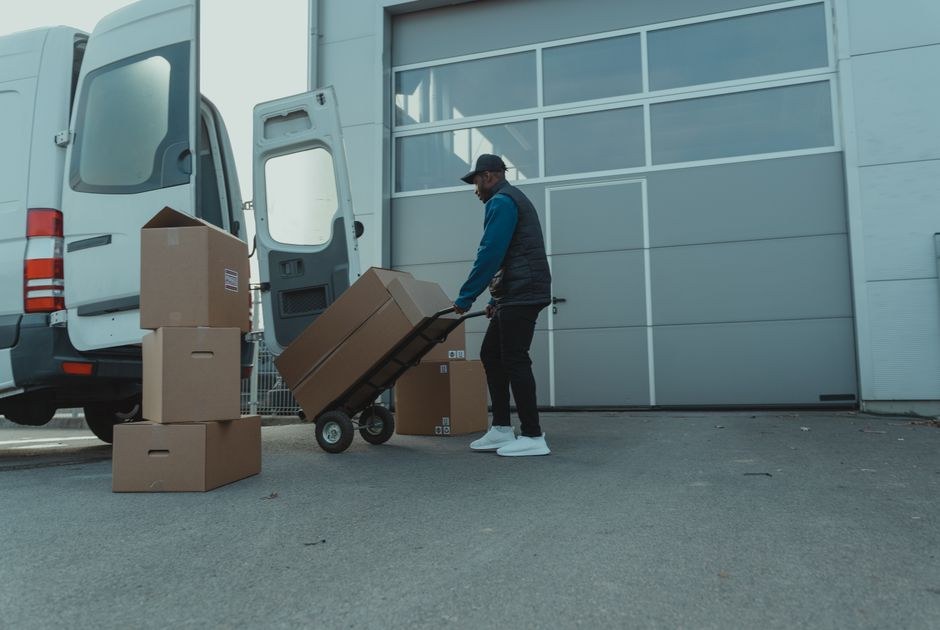
When a wholesale cotton slipper order runs late, buyers can expedite production, split shipments, or renegotiate milestones. A practical recovery playbook.
A late wholesale cotton slipper order is best handled with three levers: paid expediting, split shipments, and renegotiated milestones. Decide which lever protects your retail commitments before you call the factory.
Diagnose the delay before you negotiate
Before discussing new dates, ask where the order actually sits: material not received, cutting not finished, stitching backed up, or packing and carton labeling pending. The answer determines which recovery option is even possible. A factory waiting on terry fabric cannot be expedited by adding sewing lines; a factory with cut uppers and no embroidery capacity can often be helped by moving the logo step to a second shift or an approved subcontractor.
Ask for a dated status sheet per style and per size, not a single percentage. If your order contains several colorways, the delay may affect only one. That matters because partial recovery is usually cheaper than full recovery. Late Cotton Slipper Orders: Recovery Options for Wholesale Buyers starts with this diagnosis because every later decision — overtime, air freight, split delivery — is priced against the specific bottleneck, not against the order as a whole.
Put the diagnosis in writing. A short email listing the confirmed bottleneck, the revised completion date, and who is responsible for each next step gives you a reference point if the schedule slips again.
Three recovery levers and what each costs
Once you know the bottleneck, choose deliberately. Many buyers combine two of these, rarely all three.
- Paid expediting. Overtime, weekend shifts, or a temporary line reallocation. Ask the factory to quote a premium on the affected operation, not the whole order, and to state it as a fixed amount per pair so you can compare it with the cost of missing your retail window.
- Split shipments. Ship the finished styles or sizes first and the balance later. This protects your best-selling size run and lets you start selling while the remainder is completed. The trade-off is a second freight booking, a second set of export documents, and usually a higher unit freight rate on the smaller lot.
- Milestone renegotiation. Reset the schedule around realistic checkpoints — materials in-house, cutting complete, packing complete — with a penalty or discount clause tied to the new dates. This is the cheapest lever and the one most buyers skip.
Do not accept a verbal promise of “a few more days.” A revised date without a named checkpoint is not a plan.
Renegotiating milestones without damaging the relationship
Renegotiation works best when it is framed as shared risk rather than blame. Bring two things to the conversation: your hard retail or distribution date, and the specific consequence of missing it. A buyer supplying a mid-size supermarket chain, for example, may face a chargeback if winter slippers arrive after the shelf reset. Stating that consequence plainly gives the factory a reason to prioritize your order over less time-sensitive work.
Then propose the trade you are willing to make. Common trades include accepting a slightly later date on slow-moving colorways in exchange for priority on core sizes, relaxing packaging from printed boxes to poly bags on the expedited portion, or paying the expediting premium in exchange for a firm penalty clause on the balance. Each trade should be written into the revised schedule.
Late Cotton Slipper Orders: Recovery Options for Wholesale Buyers becomes a commercial document rather than a complaint when you record the new checkpoints, the responsible party, and the remedy for a second miss. Keep the tone factual; a factory that feels accused may give you optimistic dates just to end the conversation.
Protecting the retail window with partial supply
Partial supply is often worth more than a perfect order that arrives late. If you can get the core size run and the two best-selling colorways, you can hold shelf space and preserve reorder potential. Work with your factory on a priority allocation: which styles and sizes come off the line first, and what packaging they ship in.
Check the freight math before committing. A smaller split shipment may move more economically by air than by sea, while the balance can still go by sea. Compare the premium against the margin you protect. Also confirm that your retail customer will accept a split delivery; some will, provided the balance date is firm and the labeling is consistent.
Treat the first late order as a test of the factory's communication, not only its capacity. How it reports bad news tells you more than how it quotes good news.
After delivery, review what failed. If the cause was material lead time, adjust your next purchase order to book fabric earlier. If it was capacity, plan your next season's volume against a realistic calendar rather than the factory's most optimistic quote. Late Cotton Slipper Orders: Recovery Options for Wholesale Buyers is ultimately about recovering the current order and preventing the next one from needing recovery at all.
What to do this week
- Request a dated status sheet by style, colorway, and size within 48 hours.
- Identify the single bottleneck and confirm it in writing.
- Price two options: paid expediting on the affected operation, and a split shipment of core sizes.
- Propose a revised schedule with named checkpoints and a remedy for a second miss.
- Confirm with your retail customer whether a split delivery is acceptable and on what terms.
- Log the cause and adjust the next order's material booking or capacity reservation accordingly.
None of this requires a new supplier. It requires a clear diagnosis, a priced choice, and a written schedule. Buyers who follow these three steps give themselves the best chance of salvaging the season; buyers who only ask for a new date often repeat the problem.