DDP vs FOB vs EXW: Choosing Incoterms for Cotton Slipper Orders
2026-10-16 · Incoterms,Sourcing Tips,Import Logistics,Cotton Slippers,Supply Chain
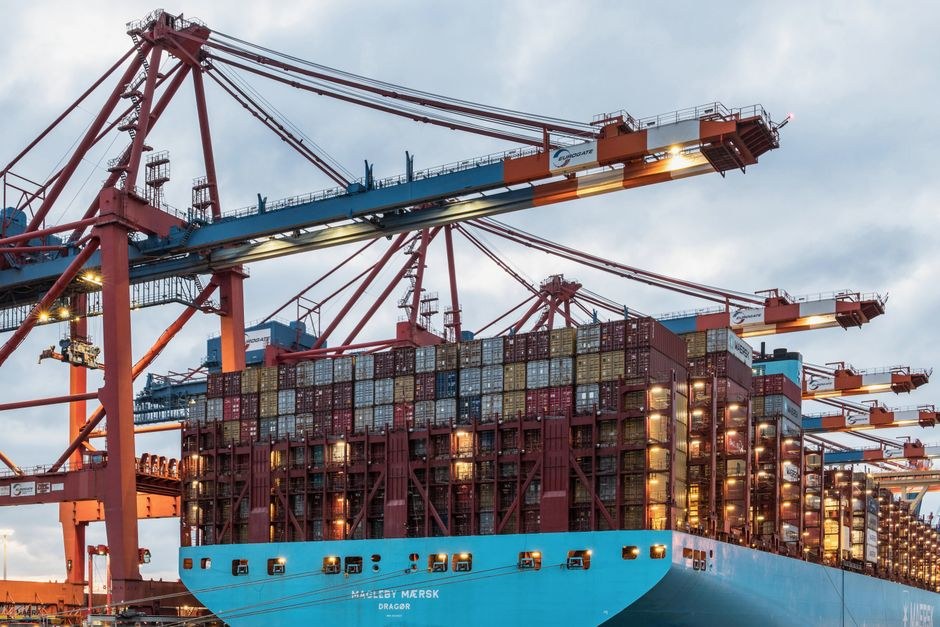
Compare DDP, FOB, and EXW Incoterms for cotton slipper imports. Learn how each shifts cost, risk, and responsibility—and which fits your sourcing model.
Most buyers fixate on the unit price and ignore the three letters after it. That is a mistake. DDP, FOB and EXW are not interchangeable labels — they determine who pays freight, who carries risk at each stage, and how much control you keep over your own supply chain. Choosing the wrong term can quietly add 15–30% to your landed cost or leave you without recourse when a container is damaged.
What Each Incoterm Actually Means for a Cotton Slipper Order
EXW (Ex Works) is the starting point. The factory makes the goods available at their premises; from that moment, everything is your problem. You arrange pickup, export clearance, main freight, import clearance and final delivery. The invoice looks cheapest on paper, but you need a forwarder and a customs broker in China before you place the order. For a first-time importer buying wholesale slippers, EXW is usually the worst choice — you save on the unit price but pay more in coordination and risk.
FOB (Free On Board) splits responsibility at the port of loading. The manufacturer delivers the goods to the named Chinese port and handles export clearance. You then pay ocean freight, insurance, and import clearance. FOB is the default for most experienced importers because it puts you in control of the freight forwarder and lets you see exactly what shipping costs. You also avoid the markup that a factory tacks onto freight when it quotes DDP.
DDP (Delivered Duty Paid) is the all-in option. The factory delivers to your door with all duties and taxes paid. It sounds convenient, and for small trial orders it often is. The catch: the seller controls the freight and customs process, so you have little visibility into costs or potential delays. DDP also creates a hidden risk — if the factory undervalues the shipment to reduce duties, your company name is on the import record and you carry the legal exposure.
How Incoterms Affect Your Landed Cost and Risk
The table below summarises the three terms for a typical cotton slipper order. Assume a 1,000-pair order moving from Ningbo to a Western warehouse.
- EXW: You pay pickup, export clearance, freight, insurance, import clearance and delivery. Highest administrative load, lowest unit invoice.
- FOB: Factory pays export clearance and loading. You pay freight, insurance and import charges. Balanced control and cost.
- DDP: Factory quotes one landed price. You pay nothing else, but you lose cost transparency and freight leverage.
Here is the practical problem with DDP: the factory is not a freight forwarder. They will add a margin to the freight quote — often 10–20% — and you have no way to verify it. On a 1,000-pair order of winter slippers, that margin can easily exceed the difference you would pay a forwarder on FOB terms. DDP only makes sense when your order volume is too small to negotiate competitive freight rates yourself, say under 200 pairs.
Risk transfer also differs. Under FOB, risk passes to you when the goods are loaded on the vessel. Under DDP, risk passes only at your delivery address — but if the container is lost at sea, the factory will be the one filing the claim, not you. That sounds fine until you need to file a claim with your own insurance or prove loss for tax purposes.
Which Incoterm Fits Your Sourcing Model?
The right choice is not about which term is 'best' — it is about who has the capability and the volume to manage each stage. Ask yourself three questions:
- Do you have a freight forwarder? If yes, FOB gives you the most control. If no, DDP removes a headache for trial orders.
- Is your order volume large enough to get direct carrier rates? Below one pallet, DDP is usually cheaper all-in. Above a full container, FOB almost always wins.
- Do you need to show import records? If you want to build a customs history or claim duty drawbacks, you must be the importer of record — which means FOB or EXW, not DDP.
A workable compromise for many mid-size buyers is FOB with a nominated forwarder. You ask your cotton slippers manufacturer to quote FOB Ningbo, then you book freight through your own forwarder. The factory handles loading and export documents; you control the sailing schedule and the freight bill. This gives you a clean paper trail for landed-cost calculations and keeps your options open for future shipping consolidation.
Practical Advice for Your Next Cotton Slipper Order
Do not treat Incoterms as a formality to be decided at the last minute. They should be part of your initial quotation request. When you ask a cotton slipper factory for pricing, specify the term you want: 'Please quote FOB Ningbo for 2,000 pairs of terry slippers, 300gsm cotton, retail packaging.' That single sentence prevents weeks of back-and-forth and eliminates the risk of comparing apples to oranges.
For first orders, consider starting with FOB if you have any forwarder relationship at all. The small amount of extra coordination is worth the transparency. If you are testing a new design with a wholesale slipper order of a few hundred pairs and have no logistics setup, DDP is acceptable as a one-off — but ask for a cost breakdown that separates goods value from freight and duties. If the factory refuses to break it down, treat that as a warning sign.
Finally, remember that Incoterms are negotiable. Some factories prefer DDP because it keeps the freight in-house and lets them control the shipping schedule. That can be convenient, but it also means your delivery date depends on their forwarder. If you need reliable timing for a peak season — say winter slippers arriving in September — you want FOB so you can book with a carrier who has space and a schedule you can track. Choose the term that matches your in-house capability, not the one that makes the invoice look simplest.