In-Line Quality Checks for Cotton Slipper Mass Production
2026-10-25 · quality control,cotton slippers,in-line inspection,manufacturing,sourcing
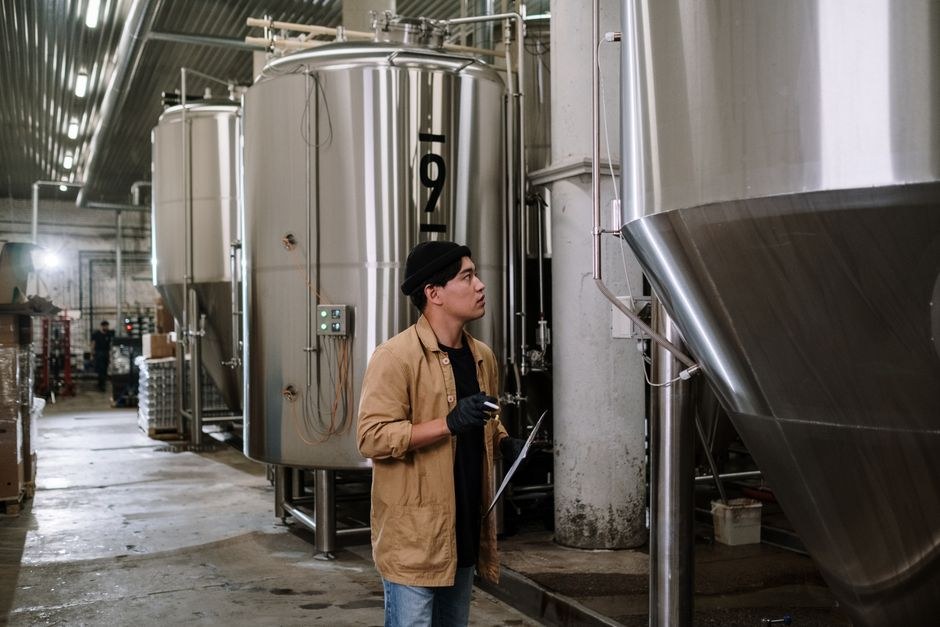
In-line checks catch defects early and protect your cotton slipper order. Learn where to place them, what to inspect, and how to get your factory to run them.
Most quality problems in a cotton slipper order are not caught at final inspection — they are created hours earlier and only discovered when the cartons are already sealed. That is the argument for in-line quality checks: inspecting the goods while they are still on the line, not after the fact.
Why end-of-line inspection is too late
If you only inspect finished cartons, you are auditing the past. A crooked seam, a mismatched lining, or a logo stitched off-center will be repeated on every pair produced in that shift. By the time the final inspection finds it, you may have hundreds of defective pairs, and the factory will have already booked the export date.
In-line quality checks shift the focus from detection to prevention. They force the factory to verify the first few pieces of each batch before full production continues. That is not a bureaucratic extra step; it is the difference between reworking dozens of pairs and reworking thousands.
The ROI in plain terms
Say your order is 3,000 pairs and a seam defect affects 20% of the first day's output. If discovered at final inspection, you face a rework delay, potential air freight to meet the retail window, and a strained relationship. If discovered in-line, the supervisor adjusts the machine tension or operator technique, and the remaining pairs are clean. The cost difference is not marginal — it is the difference between a profitable season and a write-off.
Where to put the checkpoints
In-line inspection is not a single moment. It should be built into the production flow at three natural points.
- After cutting: Verify pattern alignment, fabric orientation, and that the correct material (terry, velour, fleece) is being used for the batch.
- After stitching and assembly: Check seam integrity, lining placement, embroidery or printed logo alignment, and symmetry between left and right slipper.
- Before packing: Confirm size labels, colorfastness (spot-check by rubbing a damp white cloth), and that the pair matches in shade and size.
At each checkpoint, the inspector should pull a defined sample — typically the first few pieces of each batch or hourly during a long run — and record results immediately. If a defect is found, the line stops until the cause is corrected.
What to inspect: a practical checklist
In-line checks should be fast and visual. You are not running laboratory tests on the line; you are looking for obvious deviations that will multiply.
- Stitching: skipped stitches, loose tension, seam puckering, and uneven topstitching.
- Material: wrong color, wrong fabric weight, or visible flaws in the cotton or lining.
- Construction: lining not fully attached, twisted straps, or uneven sole attachment.
- Branding: embroidery or label misalignment, wrong thread color, or missing care labels.
- Pairing: left and right slippers matching in size and shade (critical for dyed cotton).
Keep the checklist to one page. If it needs more, it will not be used.
Buyers often ask for more inspection points than the factory can realistically execute. Three well-enforced checkpoints beat ten ignored ones.
Getting the factory to actually do it
A cotton slippers manufacturer in Cixi or elsewhere will agree to in-line checks in the contract, but execution varies. The difference is whether the checks are written into the production traveler (the document that moves with the batch) and whether someone with authority signs off at each stage.
When you place an OEM order, specify the checkpoints in your purchase order and request daily in-line reports with photos for the first three days of mass production. That is usually enough to establish the habit. If you cannot be on-site, ask for a short video call during the first production run — it is harder to fake a live check than to email a staged photo.
If the factory resists, consider a third-party inspector for the first two days. The cost is small relative to the order value, and it signals that you take in-line quality seriously.
Actionable takeaways for your next order
In-line quality checks are not a quality department luxury; they are a sourcing discipline. For your next cotton slipper mass production run, do three things:
- Define the three checkpoints in writing (after cutting, after assembly, before packing) and attach a one-page visual checklist to the PO.
- Require the factory to record results per batch and share them daily for the first production week.
- Budget for a third-party in-line inspection on your first order with a new OEM slippers supplier — or on any order where a defect would be costly to fix later.
None of this replaces a final inspection, but it makes the final inspection a confirmation rather than a rescue operation. That is a better position for any buyer, whether you are ordering 500 pairs or 50,000.