Hand-Sewn vs Machine-Stitched Uppers in Cotton Slippers
2026-10-29 · cotton slippers,upper assembly,seam strength,OEM sourcing,quality control
Compare hand-sewn and machine-stitched cotton slipper uppers on seam strength, labour cost and rework risk, with practical guidance for OEM buyers.
Choose hand-sewn uppers only where the design needs shaping or a visible craft story; otherwise machine stitching gives more predictable seam strength and lower rework risk.
What the Assembly Method Actually Changes
The upper assembly method decides three things a buyer will feel in the invoice and in the returns report: how consistent the seam is, how much labour sits in each pair, and how often a pair fails inspection. This is not a debate about tradition versus automation. It is a cost-and-risk decision that should follow the design brief, the target retail price and the channel.
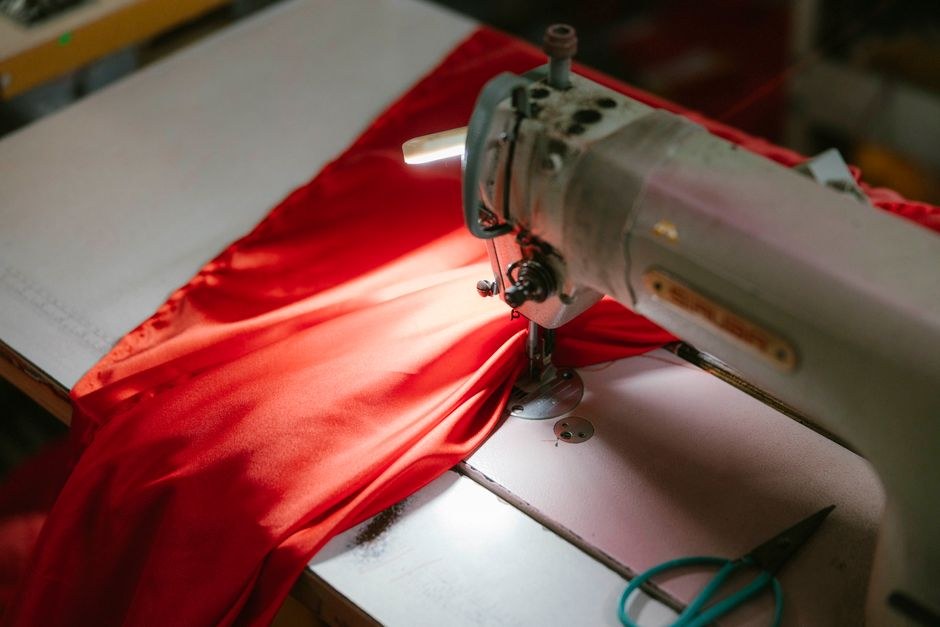
Machine stitching means the upper panels are joined on a flat-bed or post-bed sewing machine with a fixed stitch length, a set seam allowance and a consistent tension. Hand sewing means an operator joins or closes the upper with needle and thread, usually at the toe, the vamp or the back seam, and the result depends heavily on that operator's skill and pace.
For most wholesale programmes, the machine route is the default. It is faster, easier to inspect against a written standard and easier to repeat across repeat orders. Hand work earns its place when the shape cannot be sewn flat, when a decorative topstitch is part of the design, or when the brand is explicitly selling craft. Weighing Hand-Sewn vs Machine-Stitched Uppers in Cotton Slippers therefore starts with the design brief rather than with a preference for either method.
Seam Strength: What to Ask For and How to Check It
Seam strength is where the two methods diverge most in practice. A machine seam is only as good as its settings; a hand seam is only as good as the person holding the needle. Neither is automatically stronger.
- Stitch density: ask for the stitch length or stitches per inch on each seam, and confirm it on the approved sample, not just in the tech pack.
- Seam allowance: a narrow allowance on a curved toe can pull out under load; specify the allowance and the finish.
- Backstitching: seam ends should be secured; loose ends are a common cause of opening at the toe.
- Thread: thread type and ticket number affect elongation and abrasion resistance as much as the stitching method.
A practical check is a simple pull test on cut samples from each production lot: clamp the seam, pull steadily and watch where it fails. If the fabric tears before the seam opens, the seam is not the weak point. If the thread snaps or the seam opens, the setting or the operator needs attention. Record the result and keep it with the lot.
Hand-sewn seams need a different check. Because tension varies by operator, inspect more pieces per lot and look specifically at the toe and heel curves, where the seam is under the most stress when the slipper is pulled on.
Labour Cost and Rework Risk in Real Orders
Labour is the main cost difference. Machine stitching spreads a fixed setup cost across the run and then adds a relatively small per-pair labour cost. Hand sewing adds minutes per pair that scale directly with volume, and those minutes are priced at a higher skill level.
Rework is the quieter cost. Machine-sewn uppers fail in predictable ways, usually tension or skipped stitches, and can be corrected by adjusting the machine. Hand-sewn uppers fail in less predictable ways, and rework often means unpicking and resewing by hand, which is slow and can leave visible needle marks. That asymmetry is central to Hand-Sewn vs Machine-Stitched Uppers in Cotton Slippers, because it shifts risk from the machine setting to the operator's availability.
Say a mid-size supermarket chain orders a private-label slipper with a shaped toe. If the toe is specified as hand-sewn for a craft look, the factory may need to reserve its most experienced sewers for that line, and the rework rate will depend on how many of them are available in that week. That is a capacity question as much as a price question, and it belongs in the quote discussion.
When you compare quotes, ask each supplier to break out the upper assembly step separately. A quote that bundles assembly into one line hides whether you are paying for machine time or hand time, and it makes like-for-like comparison impossible.
Specifying the Method in Your Tech Pack
Ambiguity here is expensive. If the tech pack says "sew upper to sole" without naming the method, the factory will choose whatever suits its line, and the approved sample may not match the bulk order.
- Name the assembly method for each seam: machine-stitched, hand-sewn or a defined combination.
- State stitch length, seam allowance, thread type and seam finish.
- Mark the stress points (toe, heel back, vamp) and specify reinforcement there.
- Attach a photo of the approved seam on the golden sample.
- Agree the inspection point: in-line at the upper station, not only at final packing.
For buyers developing a craft-positioned range, the method should be settled at sampling, not at bulk. A hand-sewn sample approved on one operator's work tells you little about a production line of twenty. Ask for a small pre-production run from the actual line and inspect that.
Making the Decision for Your Range
Match the method to the price band and the channel. A value-priced slipper sold in multipacks through grocery or discount channels rarely supports hand work, and the customer is not paying for it. A gift-oriented slipper with a shaped toe, a visible topstitch or an embroidered panel can justify hand finishing if the retail price and the brand story carry it. That trade-off is the practical core of Hand-Sewn vs Machine-Stitched Uppers in Cotton Slippers.
For a first order, keep the upper assembly machine-stitched and put the design effort into materials, lining and packaging, where the customer sees value. Introduce hand work on a second style once you have a supplier whose sampling and in-line checks you trust.
Finally, treat the assembly method as a line in your supplier scorecard, not a footnote. Score each supplier on seam consistency, rework reported at in-line inspection and the clarity of their written seam specification. That comparison will tell you more about reliability than any showroom visit, and it is ultimately a question of whether the factory can repeat the seam, order after order, at the price you agreed.