Eco-Friendly Packaging for Wholesale Cotton Slippers: Buyer Guide
2026-10-11 · sustainable packaging, cotton slippers wholesale, eco-friendly packaging, OEM cotton slippers, import sourcing
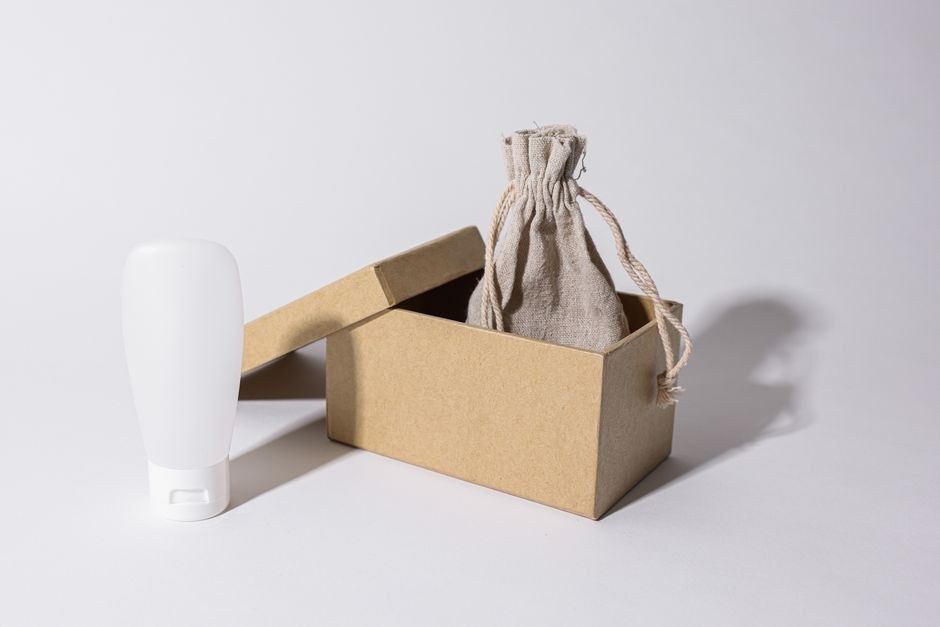
Sustainable packaging options for cotton slippers: material choices, cost, and MOQ trade-offs for importers and brand owners.
Your slippers may be perfect, but packaging can still sink the deal. Retailers now ask for plastic-free or recyclable packing; if you can't supply it, they'll find someone who can. The good news: eco-friendly packaging for wholesale cotton slippers is no longer a niche add-on. It's a line item you can plan for—if you understand the material options, cost impact, and MOQ implications.
Why Packaging Matters for Cotton Slipper Buyers
For importers, packaging is where sustainability promises meet practical reality. A cotton slipper factory that offers certified recycled or biodegradable packaging signals a certain operational maturity. But packaging also affects your landed cost and your ability to meet retailer requirements. Say a mid-size supermarket chain introduces a packaging scorecard: your polybag-wrapped slippers might get rejected regardless of quality. The fix isn't switching factories; it's specifying the right packaging at the sampling stage.
Also consider damage. Eco materials often have different tear resistance and moisture sensitivity. If you ship by sea, recycled paperboard can absorb humidity and lose rigidity. That's a problem for gift boxes but less so for polybags. Understanding these trade-offs helps you avoid returns and chargebacks.
Eco-Friendly Packaging Options and Trade-Offs
Here's what your cotton slippers manufacturer can typically offer, along with the practical implications. Prices vary by order size, but you'll see broad patterns.
- Recycled LDPE polybags – Common, cheap, and now available with 30-80% recycled content. They meet many retailer recycling streams but are still plastic. Cost increase: minor, often under 5% of unit packaging cost. MOQ: usually no extra minimum beyond the bag supplier's.
- Biodegradable polybags (PLA or PBAT) – Break down in industrial composting. Good for brands with a strong eco story. Watch for shelf-life: some degrade in storage if exposed to heat. Cost: 10-25% more than standard LDPE. MOQ per size: often 10,000-30,000 pieces.
- Recycled paperboard boxes – Best for gift sets or retail shelf presence. Can be printed with soy-based inks. Heavier and bulkier, raising freight. Cost: significant—can add $0.15-$0.40 per pair depending on size and print. MOQ: typically 5,000-10,000 boxes per design.
- Compostable mailers – For direct-to-consumer ecommerce. Not usually relevant for wholesale cartons but useful if you drop-ship. Cost: mid-range. MOQ from packaging suppliers can be high.
Notice that each option forces a trade: plastic-free often means higher cost or higher MOQ; paper means more weight and freight. There is no universal answer—only what fits your channel and your customer's reverse-logistics reality.
Cost Impact and MOQ Implications
Packaging is not just a line item; it changes your unit economics. For wholesale cotton slippers, packaging typically makes up 5-12% of FOB cost. Switching from standard polybags to a printed recycled box can push that to 15% or more. If you're selling to discount chains, that's a hard sell. If you're selling to a specialty retailer with a sustainability mandate, it's table stakes.
MOQ is where many buyers get stuck. Your slipper factory may assemble 3,000 pairs per style, but the packaging supplier needs 10,000 boxes for a custom print. That mismatch can leave you with excess packaging or a split order. Solutions: choose stock sizes and plain prints to avoid custom MOQ; or combine packaging across multiple slipper SKUs to hit volume. Ask your OEM cotton slippers supplier for a packaging MOQ breakdown before you finalize the PO.
The most sustainable packaging is the one that actually gets used and recycled in your destination market. A perfect compostable bag that ends up in landfill is no better than plastic.
Also factor in warehousing. Eco boxes take up more space. If you store in a 3PL, your storage cost per unit rises. That may be acceptable for high-margin gift sets but not for bulk basics.
Working with Your Factory on Sustainable Packaging
Not all cotton slipper factories have in-house packaging development. Many rely on local packaging suppliers and can only offer what those suppliers stock. To get a custom eco solution, you need to bring the factory into the conversation early—ideally during sampling.
Here's a practical approach:
- Specify at sampling. Provide a packaging brief with material, print, and performance requirements. Ask for a packaging sample alongside the slipper sample.
- Request certification. For recycled content, ask for FSC or GRS certificates. For compostability, ask for EN 13432 or ASTM D6400 documentation. Don't accept verbal claims.
- Run a transit test. If you're using paperboard, simulate a 30-day sea shipment with humidity and stacking. Check for deformation and print rub-off.
- Agree on MOQ splits. If packaging MOQ exceeds slipper MOQ, negotiate a mixed-SKU order or accept a higher per-unit cost for a smaller run.
- Check destination regulations. Some countries tax plastic packaging; others require minimum recycled content. Your factory may not track these. You must.
One more note: don't assume eco-friendly means more expensive. Sometimes switching from a heavy printed box to a minimalist recycled paper sleeve can reduce cost and weight. Run the numbers per unit and per cubic meter—not just per piece.
Actionable Advice for Your Next Order
Start by defining your packaging tiers. Most importers need at least two: a basic option for cost-sensitive accounts and a premium eco option for brand-building. Give your factory both specifications in the same RFQ so they can quote side by side. Ask for a landed cost estimate that includes freight impact from packaging weight and volume. Finally, before you commit to a custom eco box, validate that your end customer will actually pay for it. In many cases, a simple switch to recycled polybags with a recycled paper hangtag delivers most of the sustainability story at minimal cost. Your winter slippers supplier should be able to walk you through these options without overselling. If they can't, that's a red flag about their supply chain depth.