Currency Fluctuations and Your Cotton Slipper Sourcing Budget
2026-10-15 · currency risk, sourcing budget, cotton slippers, wholesale sourcing, import finance
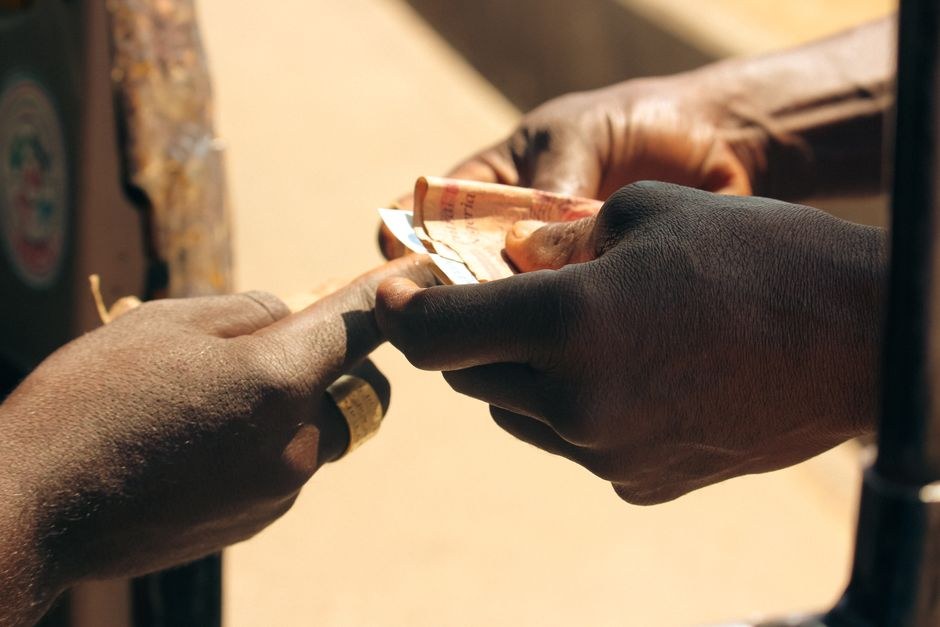
How exchange rate swings affect cotton slipper sourcing budgets and what importers can do to protect margins when quoting wholesale prices.
Most buyers set their slipper budget in their own currency, then treat the factory quote as a fixed number. It is not. A quote in RMB or USD only becomes a real cost once the exchange rate clears. Between order confirmation and the balance payment three months later, a two or three percent move can quietly erase the margin you planned. For wholesale cotton slippers, where per-pair margins are thin and order values large, that is not a rounding error. If you buy a few thousand pairs, a few percent either way changes your retail math enough to matter. If you buy container loads, it can decide whether the season is profitable.
Why Currency Risk Hits Slipper Sourcing Harder Than Most Categories
Slipper orders have a specific profile: low unit cost, high volume, long production and shipping windows, and a narrow selling season. All of that amplifies currency exposure.
- Long quote-to-payment gap. A cotton slippers manufacturer may quote in January for delivery in July. The rate at quoting is not the rate at settlement.
- Thin margins per pair. A landing cost that shifts by a few cents per pair across 50,000 pairs is real money.
- Seasonality. Winter slippers must hit shelves on time. You cannot wait for a better rate if the container needs to sail.
- Payment in installments. Deposit now, balance before shipment. Two conversions, two different rates, two chances to lose.
The result: budgeting on the quoted unit price alone is incomplete. You need to budget the currency path as well.
How Fluctuations Actually Show Up in Your Numbers
Consider a hypothetical mid-size retailer ordering winter slippers from a factory in Ningbo, quoted in USD but paying from a market where the local currency is sliding against the dollar. The factory quote is unchanged. The retailer's cost in local currency rises. The MOQ is fine, the quality is fine, the freight budget is approved — and the order still runs over budget by the time it lands.
The opposite also happens. A strengthening local currency makes the same order cheaper, and buyers who locked a price earlier may overpay relative to the market. Both directions cause problems: one hurts margin, the other hurts competitiveness against rivals who renegotiated.
Currency is not a line item on most slipper quotes, but it is one of the largest hidden variables in the final landed cost.
Practical Ways to Reduce Currency Exposure
You do not need a treasury department to manage this, but you do need to decide who carries the risk and how.
- Quote and settle in one currency where possible. If your revenue is in USD, ask for USD pricing. The cotton slipper factory absorbs more of the conversion risk, though it may price a small buffer in.
- Match payment timing to cash flow. If you collect from retail before the balance is due, your exposure window is shorter.
- Lock a rate for known payments. A forward contract with your bank covers a specific amount on a specific date. It costs a small fee but removes the surprise.
- Build a currency buffer into your retail price. Not 10% — enough to absorb normal swings without a fire drill.
- Stage larger orders. Two shipments with two payment dates spread risk better than one giant lump sum.
- Renegotiate at reorder. When your currency drops, a cotton slippers manufacturer may hold the old price because their costs are in RMB. Ask.
What to Put in the Contract
A few clauses turn currency from a silent risk into a shared one.
- Currency of the contract. State it explicitly, including which currency governs any penalty or credit note.
- Price validity period. Thirty, sixty, or ninety days. If the quote expires, you know to re-check before ordering.
- Rate adjustment clause. For large, long-lead orders, agree in advance to share the impact if the rate moves beyond a set band.
- Deposit and balance dates. Specify the exact dates, not "before shipment" — those dates define your exposure window.
- Incoterms. FOB, CIF, or DDP changes who bears what, and the currency of the freight quote matters too.
What to Do Before Your Next PO
Before you approve a purchase order, take four steps. First, calculate landed cost at today's rate and at a rate a few percent worse — if the second number breaks your budget, the order is too thin. Second, confirm the quote currency with your factory and, if you are paying in another currency, ask them how they handle that. Third, check how much of your payment is exposed and how long it sits; if the window is over 60 days, consider a forward contract or staged payments. Fourth, build a currency review into your seasonal sourcing calendar alongside freight and duty. The buyers who handle currency swings best are not economists — they are the ones who simply counted the exposure before signing. Put the same discipline into your OEM cotton slippers program and the rate becomes a managed cost rather than a nasty surprise.