How Cotton Types Affect Cotton Slipper Quality and Wholesale Pricing
2026-10-10 · cotton slippers manufacturer, OEM cotton slippers, house slippers wholesale, cotton fabric sourcing, winter slippers supplier
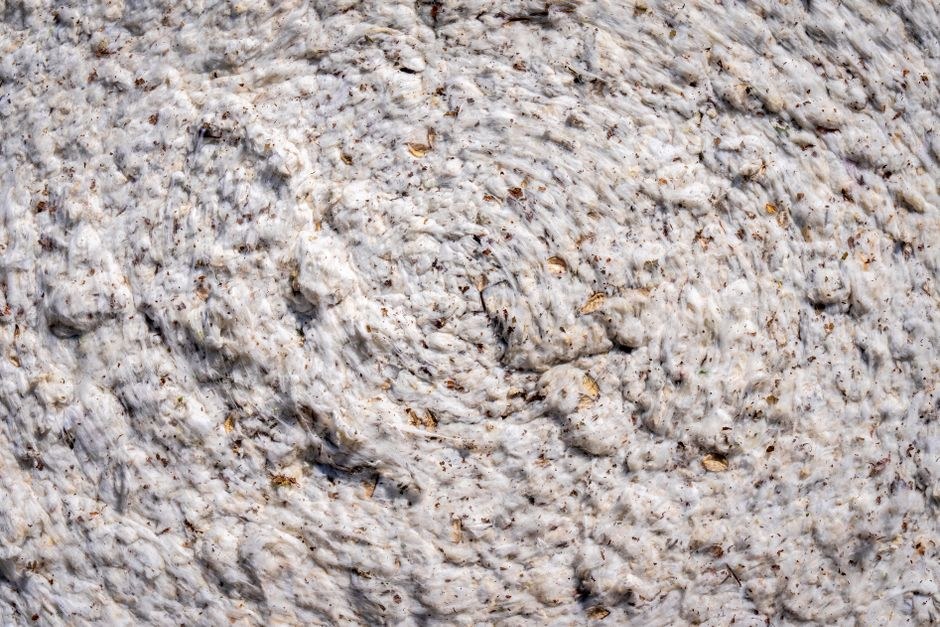
The cotton variety behind your slippers drives feel, durability and landed cost. Here is what importers should ask before locking a spec.
The cotton in your slipper is not a commodity footnote. It decides how the upper feels on day one, how it looks after five washes, and where your FOB sits per pair. Buyers who treat "cotton" as one line on a spec sheet usually discover the difference only after a claim or a reorder request.
This is not about chasing the most expensive fibre. It is about matching fibre choice to the price band you actually sell in.
Why Cotton Grade Is a Sourcing Decision, Not a Spec Detail
When you brief a cotton slippers manufacturer, the fibre grade affects three things you care about: hand feel, colour retention, and how reliably the factory can repeat the same result across production runs.
Long-staple cottons produce a smoother, denser yarn with fewer protruding fibre ends. That reads as "premium" to a shopper picking up the slipper in a store aisle. Short-staple or recycled blends feel rougher and pill faster, but they cost noticeably less per pair.
The catch is that a low-grade fibre only saves you money if your customer never compares. In a mid-market supermarket program, where the slipper sits next to three competitors, hand feel is often the deciding touchpoint.
The Main Cotton Types You Will Be Offered
Most cotton slipper factory quotations will reference one of a handful of fibre families. Knowing them lets you ask better questions.
- Standard upland cotton: the workhorse. Adequate softness, good price, widely available. Fine for value-tier programs.
- Long-staple cotton (including Egyptian-type and Pima-type): longer fibres, smoother yarn, better wash durability. Higher cost, justified in mid-to-premium ranges.
- Organic cotton: grown and processed under certified rules. The fibre itself is not automatically softer, but it supports a marketing claim and satisfies compliance-driven buyers.
- Recycled or blended cotton: often mixed with polyester. Cheaper, less breathable, and variable in colour consistency.
Note that "Egyptian" is a provenance claim, not a quality guarantee by itself. Ask the factory to specify the fibre, the yarn count, and whether certification documents are available — otherwise you are paying a premium for a label.
How Fibre Choice Moves Quality and Price Together
Quality and cost move in the same direction, but not at the same rate. Moving from a standard upland cotton to a long-staple cotton might raise the fabric cost by a modest margin while lifting perceived quality substantially — often the best trade in the range.
The opposite is also true. Chasing organic certification adds administrative cost and lead time. If your customer is not asking for it, you may be funding a claim nobody reads.
The four variables that actually drive the price
- Fibre grade and staple length
- Yarn count — finer yarns cost more and feel better
- Fabric construction, lining, and fill weight
- Certification and traceability documentation
Two quotations can both say "cotton upper" and sit 20% apart on price. That gap is almost always inside these four variables, not in the labour.
What This Means for OEM and Private Label Buyers
If you are developing OEM cotton slippers or a private-label line, fibre choice should be settled at the sample stage, not after the bulk order.
Here is a practical approach:
- Ask for two or three sample pairs in the same design but different fibre grades.
- Wash and dry them the way an end consumer would, then compare.
- Decide the fibre before you agree a MOQ and unit price.
Bear in mind that switching fibre mid-project is not a small change. It can affect the yarn supplier, the knitting tension, the dye process, and sometimes the delivery schedule. Treat the fibre decision as locked once the sample is approved.
How to Brief Your Supplier Without Overpaying
Send the factory a clear target instead of a wish list. Say what retail price band you are selling into, what wash performance you need, and whether any certification is mandatory for your market. Let them propose the fibre that fits, then test it.
If sustainability is part of your brand story, confirm which certificates the factory can actually provide and at what volume. Do not assume organic fibre is available on every order size.
Finally, keep fibre specification in writing on the purchase order. Vague language like "soft cotton upper" invites substitution during peak season, when good fibre is tight.