In-House vs Third-Party QC for Cotton Slipper Orders: A Practical Guide
2026-10-10 · cotton slippers manufacturer, OEM cotton slippers, quality control, house slippers wholesale, supplier audit
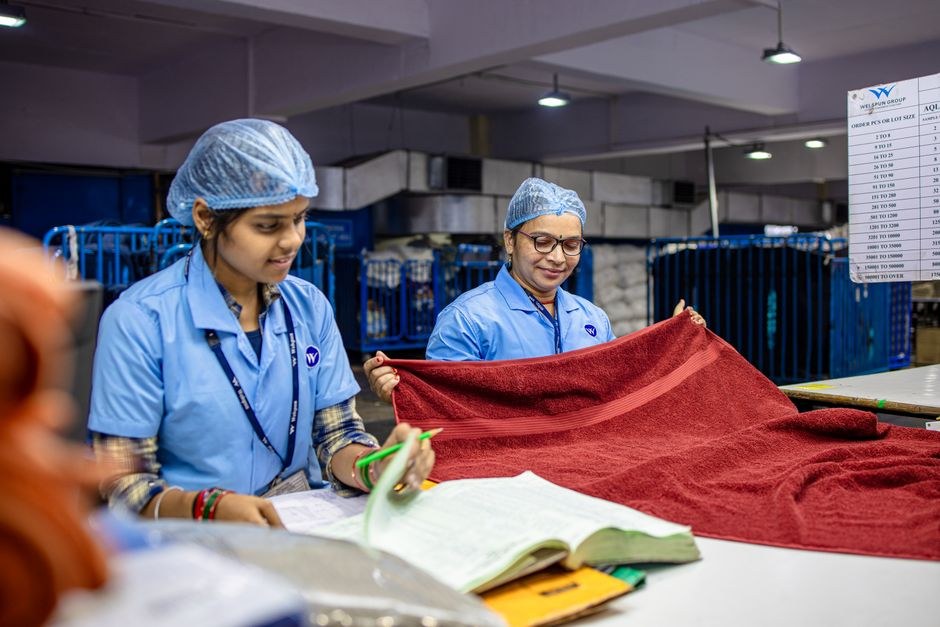
Deciding between in-house staff and third-party inspectors for cotton slipper QC? Here's how to pick the right model for your order size, budget and risk.
Most quality problems on cotton slipper orders are not caught in the factory. They are caught — or missed — by the person you send to look. If you are placing an order for plush or cotton house slippers and you have not yet decided who signs off on the goods before they ship, you are leaving your margin exposed. The honest answer to "should I use in-house QC or a third-party inspector?" is: it depends on your order size, your brand risk, and how many suppliers you are juggling. Here is how to think it through without over-engineering the process.
What in-house QC actually buys you
In-house quality control means your own staff — or a trusted agent — inspect at the factory, usually during and after production. For a cotton slippers manufacturer, that means your inspector is on the line, watching stitching density, lining alignment, sole bonding and colour consistency as it happens.
The advantage is context. Your person learns what a good sample looks like for your specific buyer, and they can flag drift early instead of catching a container of slippers that fail the same measurement three times. For wholesale buyers running repeat programmes with one supplier, this is usually the cheapest long-term option because the inspection cost is spread across many orders.
The disadvantage is independence. An in-house inspector paid by you but working inside a factory they visit every month has a social relationship with the production manager. That is not corruption — it is human nature. It becomes a real risk when your inspector is junior, your order is a new design, or the factory is under pressure to hit a ship date.
When third-party inspection is worth the fee
Third-party QC means hiring an inspection firm that reports back to you with photo evidence, defect rates and pass/fail calls. It is the default choice for first orders with a new supplier, high-value runs, and any order where a defect could trigger a chargeback from your retail customer.
Use third parties when:
- You are placing a first order with a factory you have not audited yourself.
- The slipper has custom embroidery, printed logos or packaging that is hard to replace if wrong.
- Your buyer is a supermarket chain or brand that imposes its own AQL standard.
- You cannot visit China and have no trusted agent on the ground.
The trade-off is cost and timing. A third-party inspection adds a line item per man-day, requires booking ahead, and can push your ship date if the factory is not ready. It also tests the same sample size regardless of how much you already trust the supplier. Paying £250 to inspect a small trial order may eat the whole margin on that run.
A practical hybrid: what most importers end up doing
Very few successful importers run pure in-house or pure third-party. The workable model for OEM cotton slippers looks like this:
- New supplier, first order: third-party inspection, full AQL, before shipment.
- Second and third orders: third-party inspection on a reduced sample, or your own agent if you have one.
- Repeat orders, stable quality: in-house or agent check on key defects only, plus factory self-inspection reports.
- Any order after a quality problem: back to full third-party inspection until three clean runs pass.
This is not clever theory. It is how you avoid paying inspection costs forever while still catching the inevitable bad run. Factories change staff, fabric suppliers change batches, and a winter slippers supplier that shipped perfect goods in September may not ship the same goods in November.
What to inspect on a cotton slipper — and who should do it
Whoever holds the clipboard, the checklist should cover the same things. For cotton and plush house slippers, the recurring failure points are:
- Stitch density and seam security at the heel and toe.
- Lining and shell alignment — any twist shows up immediately at retail.
- Sole bonding and flexibility, especially if you market them as non-slip.
- Size conformity across the run, not just the sample pair.
- Colour consistency against the approved swatch, ideally under daylight.
- Packaging, labelling and barcode accuracy before cartoning.
If you use a third-party inspector, give them your own defect definitions rather than accepting the standard template. Most inspection failures on slippers come down to a disagreement about what counts as a major defect, not about whether the defect exists. Defining that in writing before the inspection is the single highest-value thing you can do.
How to decide for your next order
Ask three questions before you book anyone. First, how much would a failed container cost you in refunds, freight and lost shelf space? If that number is large relative to your inspection fee, use a third party. Second, do you have someone on the ground you genuinely trust? If not, do not pretend an in-house arrangement exists — hire independent eyes. Third, is the factory new or proven? New factories get third-party inspection until they earn the cheaper model.
Then put it in the contract. State the inspection standard, who pays for re-inspection if the run fails, and what happens if goods ship before you sign off. A cotton slipper factory that resists those terms is telling you something useful. Finally, treat QC as a fixed cost inside your landed cost calculation, not a surprise. Budget it, review it after every order, and adjust — because the right QC model changes as your supplier relationship matures.