Cotton Slipper Materials Guide: Terry, Velour, and More Explained
2026-10-09 · cotton slipper materials, terry vs velour, house slippers wholesale, OEM cotton slippers, slipper fabric guide
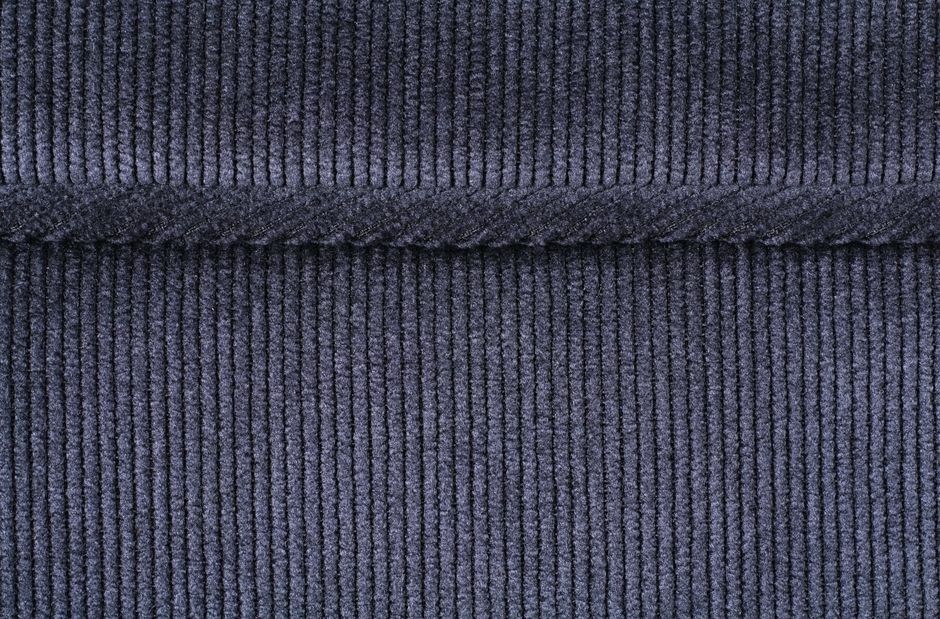
A buyer-focused comparison of terry, velour, waffle and brushed cotton upper materials, covering cost, feel, durability and best retail channels.
Most sourcing mistakes on cotton slippers happen at the material line, not the price line. Two suppliers can quote the same unit cost and send you samples that behave completely differently on a shelf: one pills after three washes, one fades under store lighting, one feels thin in the hand and kills the gift-set price you were planning. If you are a house slippers wholesale buyer, the upper fabric is the single biggest lever on your return rate, your reorder conversation and your margin.
What follows is a practical comparison of the fabrics a cotton slipper factory will actually offer you, and what each means for the channel you sell into.
Why the Upper Fabric Decides More Than the Filling
Buyers often spend their sample meeting squeezing the sole and forget the upper. That is backwards for anything above a basic promotional slipper. The upper is what the customer touches, sees in a product photo and judges after a month of wear. Filling and sole affect comfort, but they rarely generate returns on their own — the upper does.
Three questions cut through most of the noise:
- What does it feel like dry? This is what drives the in-store or on-screen purchase.
- What does it look like after five home washes? This drives reviews and repeat orders.
- What does it cost at your order quantity? This decides whether the whole project is viable.
A fabric that wins on one can lose on the others. Velour feels expensive and photographs beautifully, but it shows wear faster than terry in heavy rotation. Terry is forgiving and cheap, but looks plain in a premium gift box.
Terry Cotton: The Volume Workhorse
Terry is the looped-pile cotton most people picture when they hear cotton slippers. It is absorbent, breathable, machine washable and forgiving of a wide tolerance in stitching quality, which is exactly why it dominates supermarket and mid-market programmes.
Where it wins:
- Best cost-to-durability ratio for high-volume orders.
- Holds up to repeated washing better than most flat fabrics.
- Works for both men's and women's plain-colour ranges.
Where it hurts you:
- Visual appeal is modest; it reads as utility, not gift.
- Loops can snag on hard flooring edges and packaging.
- Heavy GSM terry takes longer to dry, which some customers notice.
For a mid-size supermarket chain running a two-colour winter slipper on a seasonal promotion, terry is almost always the right call. For a boutique hotel amenity programme, it usually is not.
Velour and Microfibre Velour: The Retail Photograph Fabric
Velour is a cut-pile fabric with a smooth, dense surface. In slippers it is frequently polyester or a cotton-poly blend rather than pure cotton, and reputable factories will tell you which. It photographs exceptionally well, feels plush underfoot and takes embroidery and printed logos cleanly.
Velour is the material behind most gift-set and mid-premium slippers you see in department stores. It also carries the highest risk of buyer disappointment, for one reason: pile flattening. Spots under the heel and ball of the foot go shiny over time, and that is what customers photograph in negative reviews.
Practical rules for velour:
- Ask for a higher pile density if the slipper will be worn daily, not just in guest rooms.
- Specify the fibre content in writing and confirm it in the pre-production sample.
- Avoid velour for children's ranges; the pile does not survive outdoor play.
Waffle, Coral Fleece and Brushed Cotton
These three sit between terry and velour and are often overlooked by buyers who treat the category as a binary choice.
Waffle knit has an open, structured texture that reads as spa or hospitality. It is lightweight, dries fast and looks intentional in a neutral colour. The trade-off is that it is thinner than terry and less warm, so it suits spring and autumn ranges or heated indoor markets rather than deep winter.
Coral fleece is a polyester fleece with a soft, fuzzy hand. It is inexpensive, very warm and extremely popular in cold-weather markets. It is not cotton, and you should not describe it as such on packaging. If your buyer profile is value-driven and winter-focused, coral fleece often beats terry on both cost and consumer appeal.
Brushed cotton (sometimes called flannel) is woven, then brushed to raise a soft nap. It has the most premium hand feel of the cotton-based options and works well for embroidered gift slippers. It is also the least forgiving to manufacture — pattern alignment and shrinkage control matter — so expect a narrower supplier list and a tighter tolerance on your OEM cotton slippers brief.
Matching Material to Channel, Not to Preference
The fastest way to choose is to work backwards from where the slipper will be sold.
- Discount and supermarket volume: terry or coral fleece. Prioritise cost and wash durability.
- Mid-market department store and gift sets: velour or brushed cotton. Prioritise hand feel and photography.
- Hospitality and spa: waffle or light terry. Prioritise fast drying and neutral colour.
- Premium brand and private label: brushed cotton or high-density velour, with consistent pre-production samples across sizes.
If you are developing a range rather than a single SKU, a mix across two or three fabrics usually outperforms a single material stretched across every price point. It also gives your winter slippers supplier more room to optimise cost per line.
What to Do Before You Place the Order
Ask your cotton slippers manufacturer for a fabric specification sheet per option, not just a price. It should state fibre composition, weight per square metre, pile type and colourfastness standard. Then order samples in the exact colourways you intend to sell, wash one of each at home, and compare them after the third wash — not the first.
Before committing to bulk, confirm three things in writing: the approved sample is retained by both sides, the fibre content on the label matches the tested sample, and any substitution requires your written approval. Most sourcing disputes in this category are not about quality in the abstract; they are about a supplier changing fabric mid-order without saying so.
Finally, budget for one round of sampling beyond the first. The material that wins on paper rarely wins in the hand, and a second sample round is cheaper than a container of slippers that do not match your channel.