Future Trends in Cotton Slipper Manufacturing: Sustainability and Innovation
2026-10-09 · cotton slippers manufacturer, OEM cotton slippers, sustainable slippers, house slippers wholesale, sourcing strategy
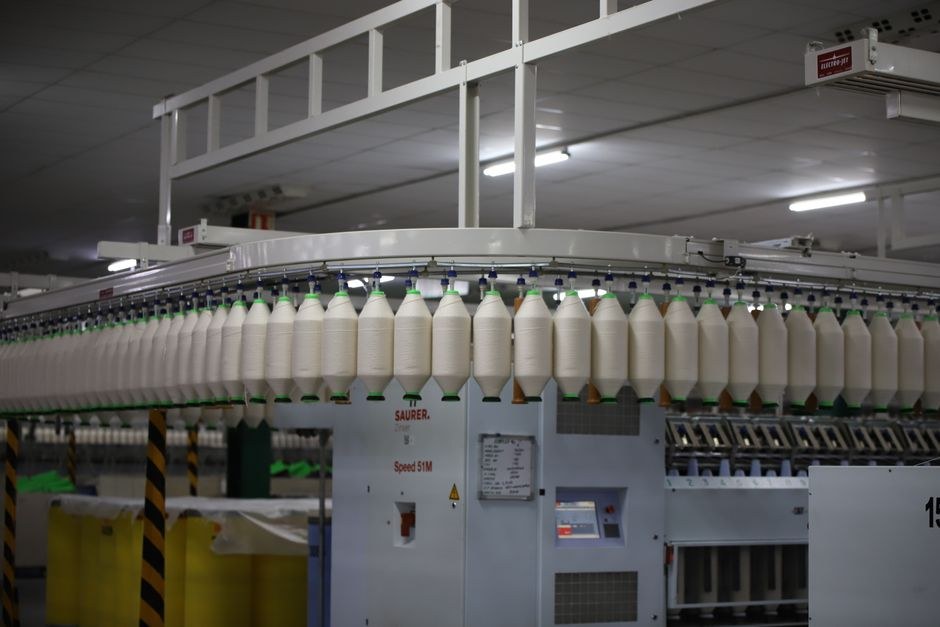
Eco-materials, automation, and traceability are reshaping cotton slipper factories. A buyer's guide to what changes, what it costs, and how to prepare.
Most of what will separate good cotton slipper programs from weak ones over the next few years is decided long before your container ships: which fibers the factory can buy at scale, how automated its cutting and stitching lines are, and whether it can document all of it. If you import or own a house slipper brand, these shifts are already affecting your quotes. Below is what is happening, what it means for your cost and lead times, and where you can push back.
Sustainability Is Becoming a Specification, Not a Slogan
Five years ago, an eco claim on a slipper was usually marketing. Today it is increasingly a line item in the purchase order. Large retail buyers — think a European supermarket chain or a North American department store — are putting recycled content, restricted substance lists, and fiber traceability into their supplier requirements, and those requirements flow down to the cotton slippers manufacturer that serves you.
In practice, this means three things are moving:
- Recycled polyester in the lining, binding, and packaging, often from post-consumer PET. It is now widely available and priced close to virgin fiber at volume.
- Organic or recycled cotton for the upper and insole. Availability is the bottleneck, not demand — certified cotton still commands a premium and needs to be booked earlier than conventional cotton.
- Lower-impact packaging: recycled kraft board, soy-based inks, and dropping the individual polybag where the retailer allows it.
My honest read: do not chase certification you cannot trace. A buyer asking for a certificate without a chain-of-custody document is asking for a document, not a material. Ask the factory which mill supplies the fiber and whether the certificate number maps to that shipment.
Automation Is Changing MOQs and Lead Times
The second shift is quieter but matters more to your margin: automation in cutting, stitching, and quality inspection. Laser and die cutting reduce waste per pair. Automated stitching cells handle straight seams faster and more consistently; complex shapes, embroidery, and hand-finished uppers still need people, which is why labor cost has not disappeared.
For a buyer, the consequences are concrete:
- Lower MOQ on standard shapes. Automated lines amortize setup faster, so a factory can sometimes accept a trial order on a stock mold that it would have refused a few years ago.
- Custom shapes still carry setup cost. A new mold or last is a fixed cost whether it runs on a laser or a hand table.
- Shorter repeat lead times, but not first orders. Once samples and tooling are approved, reorders compress. First orders do not, because sampling and approvals are human-paced.
If a factory quotes you the same price for a 500-pair trial and a 20,000-pair repeat, ask which cost they are hiding.
Traceability and Compliance Move Up the Agenda
Retailers are asking for supply chain visibility, and it is reaching categories like house slippers wholesale that used to be treated as low-risk. Expect more requests for:
- Fiber origin and mill name for cotton and recycled polyester.
- Restricted substance test reports, refreshed annually.
- Factory audit reports covering labor and safety.
- Barcode-level packing lists that match the carton labels.
None of this is free. Testing, audits, and documentation add cost, and someone pays. The question is whether you absorb it, pass it through, or build it into a private-label price from the start. For an OEM cotton slippers program, build it in.
What This Means for Your Sourcing Strategy
Here is how I would adjust a buying plan for the next two seasons.
Split your range into two tracks
Keep a core track of stable, high-volume shapes in conventional materials to protect price. Add a smaller eco track — recycled lining, organic cotton upper, recycled packaging — priced and positioned separately. Do not try to make your whole range green in one season; the cost shock will push you out of your price band.
Test the factory's documentation before you test the product
Ask for a sample of the paperwork before you ask for a sample of the slipper: mill names, certificate numbers, test report dates, audit validity. A cotton slipper factory that can produce these quickly is a better long-term partner than one promising a price you cannot sustain once compliance lands.
Negotiate on structure, not just unit price
- Ask what drives MOQ — mold, fabric minimum, or machine setup — and you will often find one lever you can move.
- Ask how much of the automation investment is already paid off; it tells you how much room exists on repeat orders.
- Ask for a written sampling timeline with named stages, so first-order slippage is visible before it becomes a missed season.
Actionable Advice Before Your Next Order
Pick one eco change you can actually verify and afford this cycle — recycled packaging is usually the easiest, recycled lining the next. Put the requirement in the purchase order with a document you will accept as proof, and agree who pays for testing. Then ask your supplier two direct questions: which materials will still be available at the same grade in twelve months, and which parts of my product will get faster or cheaper as your lines automate. If the answers are vague, treat that as information about the partnership, not just the price. A winter slippers supplier that plans capacity and materials a year out is worth a few cents more per pair than one who only quotes today's number.