Cotton Slipper Materials: Terry vs Velour and More for Buyers
2026-10-21 · cotton slippers,materials,terry,velour,sourcing
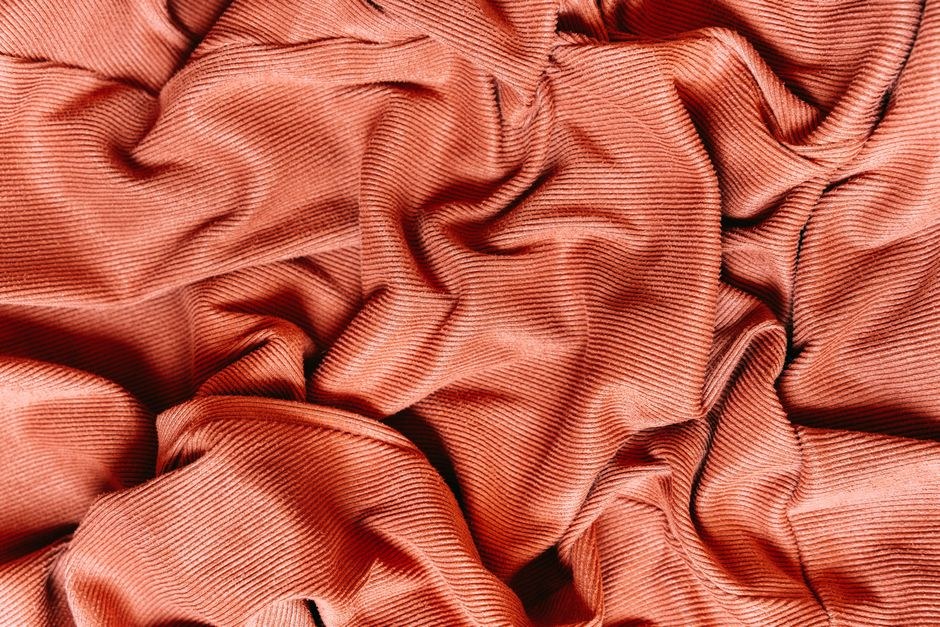
An in-depth guide to cotton slipper materials like terry and velour, explaining how fabric choice impacts quality, cost, and market fit for wholesale buyers.
Why Material Choice Is Your Most Important Sourcing Decision
When you specify a cotton slipper, you're not just choosing a fabric—you're defining the product's hand-feel, durability, washability, and price point. Get the material wrong and you'll face returns, markdowns, or a product that simply doesn't stand up to your market's expectations. As a cotton slippers manufacturer, we've seen how a single material tweak can shift a slipper from bargain-bin to premium. This guide walks through the common materials, their trade-offs, and how to align them with your business goals.
The Core Materials: Terry, Velour, and Beyond
Cotton slippers typically use one of three constructions: terry, velour, or a knit/jersey. Each has distinct characteristics that affect comfort, appearance, and cost.
Terry Cloth
Terry is the looped-pile fabric most people associate with towels. In slippers, it's absorbent, breathable, and quick-drying—ideal for spa and hotel use, where hygiene and washability are critical. Terry also offers good cushioning without excessive weight. However, its looped surface can snag and may not hold vibrant prints as crisply as smoother fabrics. For house slippers wholesale, terry is a safe, cost-effective choice for functional, everyday products.
Velour
Velour is a cut-pile fabric that's sheared to create a smooth, plush surface. It feels softer and more luxurious than terry, and it takes dyes and prints beautifully, making it popular for fashion-forward designs. Velour is less absorbent than terry but still breathable. Its main drawbacks are higher cost and a tendency to pill or crush with heavy use. If you're targeting a premium segment or a gift market, velour slippers can justify a higher retail price.
Other Options: Knit, Microfiber, and Blends
Knitted cotton (jersey) is lightweight and stretchy, often used in inexpensive slippers or as an upper with a different lining. Microfiber—technically not cotton but often grouped with it—is soft, durable, and inexpensive, though it lacks cotton's breathability. Blends with polyester improve durability and reduce cost but can compromise the natural feel. As a winter slippers supplier, we advise clarifying the fiber content upfront: a “cotton” slipper that's mostly polyester won't meet customer expectations for breathability or sustainability.
How Material Affects Quality and Cost
Material choice drives three key quality dimensions: comfort, durability, and ease of care. It also directly influences unit cost, MOQ, and lead time. Here's what to weigh:
- Comfort: Terry offers a dry, towel-like feel; velour feels smoother and warmer. Consider your climate and customer preferences—velour may be too warm for year-round indoor use in heated homes.
- Durability: Terry's loops can pull; velour can pill. Blends with polyester improve abrasion resistance but reduce breathability. Test washability: a slipper that loses shape after five washes will generate complaints.
- Cost: Velour typically costs more per pair than terry due to finer yarns and additional finishing. Knit is often the cheapest. But don't look at fabric cost alone—consider yield, cutting waste, and sewing complexity. A material that's cheap per meter may require more labor.
Remember that MOQ often varies by material: specialty fabrics may have higher minimums or longer lead times. If you're testing a new design, a standard terry or velour is easier to source in small batches.
Matching Materials to Markets and Use Cases
Different sales channels demand different materials. Here's a quick reference:
- Hotels and spas: Terry is the standard—white, bleach-safe, and durable through commercial laundering. Consider a closed-toe or slide style for hygiene.
- Retail (mass market): Terry or knit in solid colors or simple prints. Focus on washability and value.
- Premium retail and gifts: Velour or high-quality cotton knit with embroidery or elegant packaging. Customers expect a softer hand and are willing to pay more.
- Winter/cozy: Look for brushed or fleece-lined cotton, or consider a cotton upper with a faux-fur lining for warmth. Note that “winter” slippers often use plush materials, so clarify if you need cotton specifically.
Also consider regional preferences: some markets prefer open-toe scuffs for hygiene, while others want closed-toe booties. Material choice should support the silhouette—velour drapes well for closed-toe designs, while terry is common in open-toe slides.
Practical Sourcing Advice for Buyers
To avoid costly mistakes, follow these steps when specifying materials:
- Request material swatches and test reports upfront. Ask for fabric weight (GSM), fiber content, and any certifications (e.g., OEKO-TEX). Don't rely on photos alone.
- Wash-test sample pairs. Run at least five home-laundry cycles to check shrinkage, pilling, and colorfastness. This is especially important for velour and blends.
- Clarify the full material spec in your purchase order. Include upper, lining, and sole materials. Ambiguity here is a common source of disputes.
- Consider the total cost, not just fabric price. Factor in cutting yield, sewing time, and packaging. A slightly more expensive fabric that cuts and sews easily may yield a lower total cost.
- Start with a small trial order. Test the market response before committing to bulk. Use a cotton slippers manufacturer that offers flexible MOQ for new materials.
Finally, build a relationship with your supplier's technical team. They can advise on material availability, lead times, and alternatives that meet your cost targets without sacrificing quality. A good OEM cotton slippers partner will help you navigate these choices rather than just quoting a price.