Negotiating Cotton Slipper Lead Times: A Manufacturer's Guide
2026-10-11 · cotton slippers, sourcing tips, lead time negotiation, manufacturing scheduling, oem
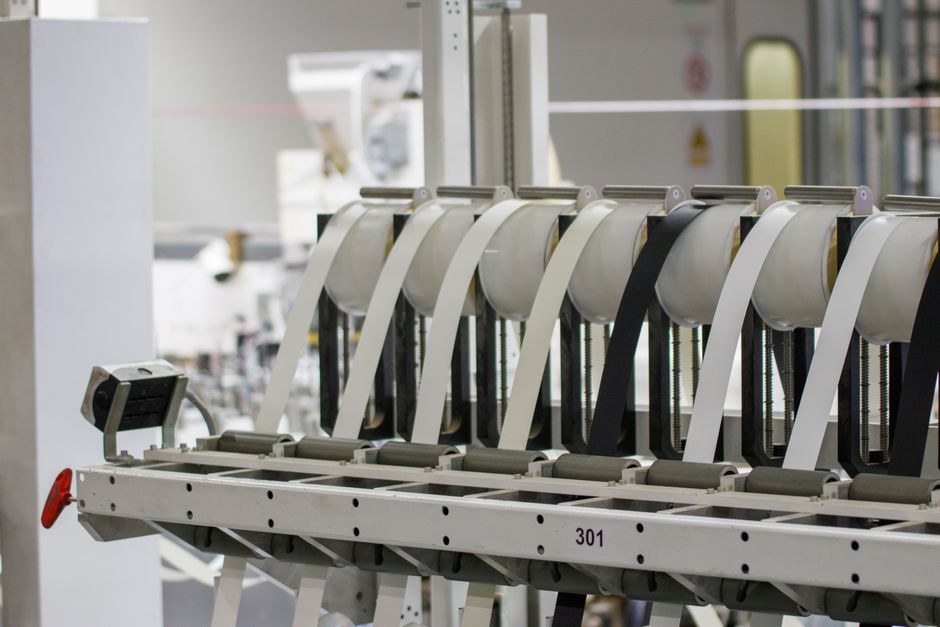
Learn how to negotiate cotton slipper production schedules, align factory booking, and avoid late shipments this winter.
Why Lead Times Are Negotiated, Not Quoted
A lead time in cotton slipper manufacturing is not a fact; it is an assumption until you agree on the booking date. Most suppliers will default to a range that protects their own scheduling — often 30–45 days after sample approval — without checking your delivery window against their press capacity. For an overseas importer, a winter slippers you ordered in July can arrive useless if the factory accepts new custom orders before yours hits the oven.
The negotiation starts before you place the PO. State your required ex-factory date, not the ideal delivery date. That single difference forces the supplier to work backward from your drayage or ocean cutoff instead of promising a vague finish. If you cannot give a fixed date early, agree on a booking window and ask for a written confirmation of the production start no later than the sample sign-off date.
The Three Timelines That Actually Matter
When you place an order with a cotton slippers manufacturer, you are buying three separate schedules. Suppliers who quote one number are usually hiding the other two.
- Sample lead time: From your CAD or reference slipper to a physical custom sample. This typically takes 7–15 days depending on whether new tooling or a new sole mold is needed.
- Production lead time: The gap between your signed sample approval and goods being packed and ready for pickup at the factory. This is the core negotiation.
- Booking lead time: The final date you must release the shipment to the forwarder to catch your vessel. Add 3–5 days to block space, plus trucking to the port.
If a supplier only quotes production lead time, ask for sample and booking lead times explicitly. If they quote a single number for all three, test them with a hypothetical rush order before committing to a thirty percent deposit.
What Moves the Production Start Date
Most disputes arise not from production being slow, but from the start date slipping. In a cotton slipper factory, the binding constraint is usually the sole molding line, not the sewing floor. A few inputs create pushback when you ask for a firm date:
- Raw material booking: Long-pile plush or specific terry cloth may need 10–20 days to arrive from a textile mill. If you delay approval, the fabric may miss its slot.
- Sole tooling: New sole designs require open molds. If the slipper uses an existing mold, your order can often slot into small gaps.
- Printing and dyeing: If your colors require custom Pantone matching, add three to five days for the lab to run a test batch.
- Peak season: Between July and September, factories are filling winter slippers containers. A booking confirmed in June will always take priority over one confirmed in August.
Ask your supplier to confirm which of these applies to your order. That tells you whether the lead time is a real constraint or a buffer.
Trade-Offs You Can Use in the Conversation
Negotiating lead times is not about extracting a faster promise; it is about trading cost, risk, and flexibility. You need to bring at least one lever to the table, or the conversation becomes one-sided.
Say a mid-size supermarket chain needs house slippers on shelf by late September. Our plant could run their order in a standard four-week window, but if they want it three weeks earlier, we would need to shorten QC inspection time and potentially split the shipment. That means additional carton labeling and a higher freight cost. The buyer accepts the trade or adjusts the deadline.
Common levers buyers use effectively:
- Deposit timing: Paying the deposit earlier lets the factory book fabric sooner and schedule your run in a better slot.
- Order size: Larger orders can justify pulling a machine off another job, but only if your order covers the changeover downtime.
- Design flexibility: Accepting an existing sole and color from the factory's range cuts two to five days of prep.
- Long-term volume commitment: A written forecast for the year gives the factory a reason to hold capacity in writing.
How to Lock the Schedule
Negotiated lead times only hold if they are documented. Before you transfer a deposit, ask for a simple production timetable attached to the PO. It should list five milestone dates: sample approval, material arrival, production start, production finish, and ex-factory ready. If the supplier will not commit dates to the PO, you have not negotiated a schedule — you have only received a suggestion.
Build a small buffer for every step. If your vessel cutoff requires goods at port by October 10, work backward and agree that the fabric must be in-house by September 20. Then check that the supplier has those dates written down. When a delay happens, it is far easier to resolve if both parties are looking at the same calendar rather than arguing about whose number was quoted first.
What to Do Before You Book
Confirm sample approval in writing, with photos of the approved product and a signed golden sample. Release the deposit only after the production timetable is attached to the order. If your order is seasonal, do not wait for the factory to suggest a date — propose one and ask what makes it impossible. Then take the answer at face value: a supplier that cannot explain the bottleneck does not have the schedule under control.