Cotton Slipper Factory Visit: What to Look For During a Tour
2026-10-16 · sourcing tips,factory visit,quality control,oem cotton slippers,supplier vetting
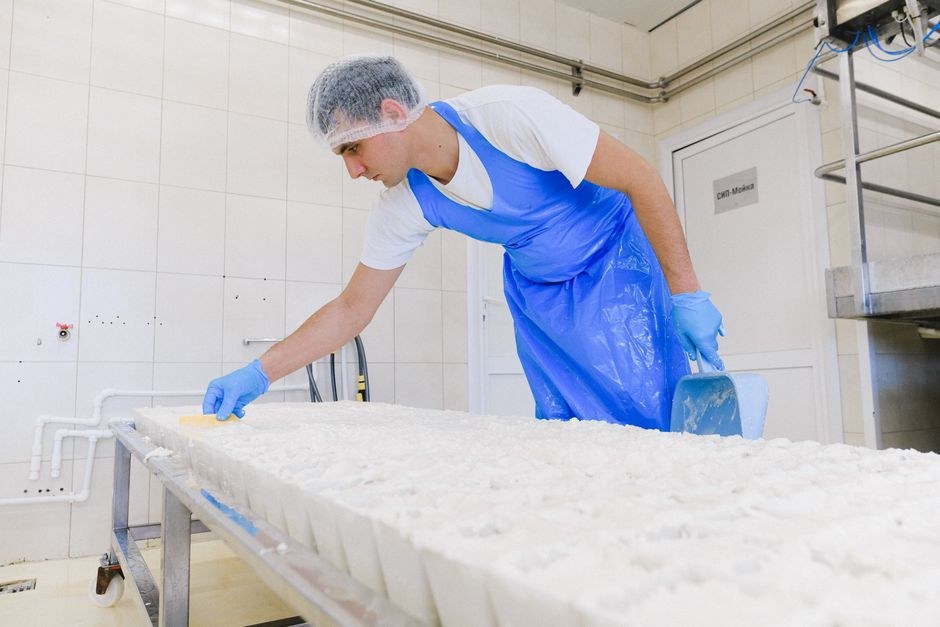
A buyer's checklist for touring a cotton slipper factory — what to inspect on the floor, from equipment and worker conditions to QC stations.
A factory tour is the cheapest audit you will ever run — and the easiest one to waste. Most buyers walk the floor, nod at the machines, drink the tea, and leave without looking at the two or three things that would have told them whether their order will ship on time. If you are placing an OEM cotton slipper order, treat the visit as a qualification step, not a courtesy.
Here is what actually matters when you walk a cotton slipper manufacturer's floor, in rough order of how much it should influence your decision.
Start with the Production Floor Layout
Before you look at any single machine, look at how the floor is organized. A workable factory moves material in one direction: cutting, sewing, lasting or assembly, finishing, packing. If you see operators carrying bundles backward across the floor, or finished cartons sitting next to raw fabric, you are looking at a plant that manages by hustle rather than by flow. Hustle works until volume rises, then it collapses.
Specific things to check:
- Are cutting, sewing, assembly and packing physically separated, or sharing one open hall with no defined zones?
- Are WIP (work-in-progress) baskets labelled by order number, or just piled by color?
- Is there a designated area for rejected pieces, or do defects quietly re-enter the line?
- Can you walk a straight line from fabric intake to carton sealing without doubling back?
A floor that is tidy at 10 a.m. but chaotic at 4 p.m. is a floor under pressure. Ask to come back in the afternoon if you can. The second visit tells you more than the first.
Worker Conditions Tell You About Turnover
You are not there as a labor inspector, but stitchers are your production capacity. If the sewing line has high turnover, your quality will drift between the sample and the bulk order — new operators sew differently, and nobody catches it until your second shipment.
What to observe without making it awkward:
- Lighting and ventilation at the sewing stations. Dim, stuffy lines produce inconsistent stitching and tired operators.
- Whether the same faces are on the same machines. Ask a floor supervisor how long the average stitcher has been on that line.
- Whether there is a posted shift schedule, and whether the plant runs two shifts or one. Two shifts during peak season usually means capacity is real, not aspirational.
- Whether workers can name their line leader and whether the leader is on the floor, not in an office.
Worker conditions are not a moral checkbox for a sourcing decision. They are a leading indicator of whether the factory can hold your lead times through the winter peak.
Equipment: Match the Machines to Your Product
Not every cotton slipper factory needs the same equipment. But for an OEM cotton slippers program, some capability is non-negotiable. Ask for a short walk-through of the machines actually used on your style — not the full plant tour script.
Look for:
- Cutting: die cutting or automated cutting for volume; hand cutting is fine for small batches but slows sharply at scale.
- Sewing: dedicated machines for uppers, linings and bindings, plus spare machines on the floor. Spares mean the line does not stop when one needle breaks.
- Assembly or lasting: the equipment type should match your sole construction. A factory that outsources sole attachment is not the same as one that does it in-house; know which you are buying.
- Finishing: trimming, thread cleaning and a heat or steam step if your spec calls for it.
Also ask how many production lines exist and what percentage of capacity your order would occupy during your target month. If your order is 8% of their output, you will get attention. If it is 60% during their busiest month, you are a scheduling risk.
Quality Control Stations Are the Real Audit
This is the part most tours rush. Ask to see the QC stations and ask what happens at each one. A factory with real QC can describe it in their own words without a script.
What a credible setup looks like:
- Incoming material inspection: fabric weight, shrinkage and color checked against a standard before cutting.
- In-line checks: a specific person or station per line, checking at defined intervals — not just "operators check their own work."
- Final inspection: an AQL-based sampling table, a written defect log, and a quarantine area for fails.
- Measurement: a size chart posted at the finishing station, with calipers or a sizing board in use.
Ask to see last week's defect log. If they cannot produce one, or it contains only "OK" entries, their quality control stations are decorative. For a deeper view, plan a pre-shipment inspection from a third party before your first bulk order ships — your tour impressions are the baseline for what to verify later.
Finally, walk the sample room. Ask how many styles they develop per month for other clients and how they handle rounds of revisions. A factory that can explain their sample development process clearly is usually a factory that can handle your revisions without losing the brief.
After the Tour: What to Do With What You Saw
Write your notes up the same day, separating observations from impressions. Then act on three things:
- Match the floor to the quote. If the quote assumes automated cutting but you saw hand cutting, ask which line will run your order.
- Ask for two references from buyers with similar order sizes and product types, and actually call them. Ask about on-time shipment percentage and how the factory handled the last quality dispute.
- Set a follow-up visit. A second tour during production, not during a sales visit, is the clearest picture you will get.
If this is your first order with the factory, keep the first run modest — cover your launch, verify the product, then scale. A tour reduces risk; it does not eliminate it. Use what you saw to decide how large a bet to make, and let the first shipment confirm the rest.