How Cixi's Slipper Cluster Lowers OEM Cotton Slipper Costs
2026-10-27 · Cixi slipper cluster,OEM cotton slippers,cost reduction,China sourcing,supply chain
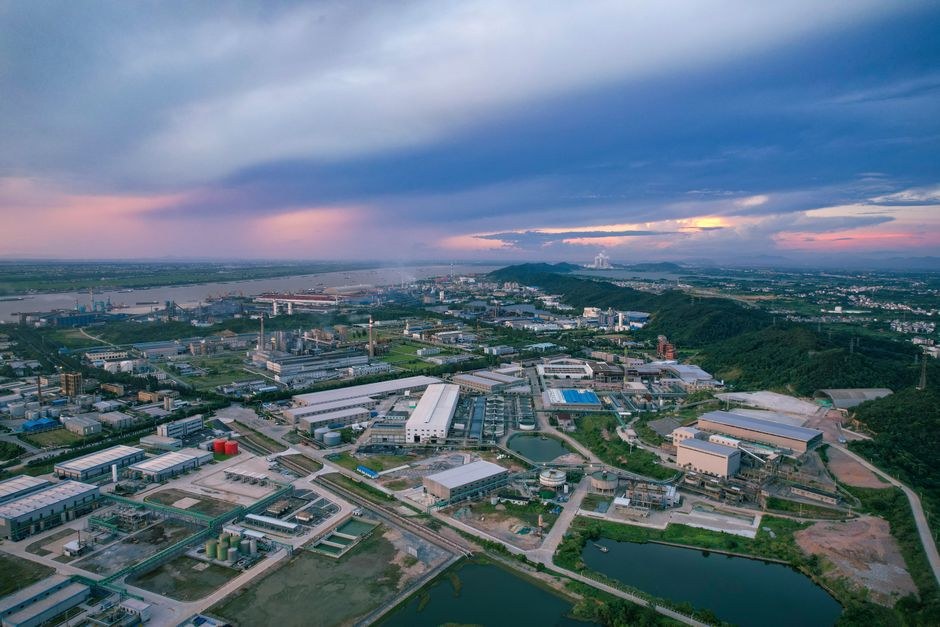
Cixi's dense slipper supply chain cuts OEM cotton slipper costs through local materials, specialized labor, and efficient logistics. Here's what buyers should know.
Why Cixi's Cluster Matters for OEM Cotton Slipper Buyers
Cixi, a district of Ningbo in Zhejiang, hosts one of the densest slipper manufacturing clusters in China. For buyers, the practical effect is not just lower unit prices—it's faster problem-solving, more flexible minimums, and a supply chain that absorbs shocks better than a single distant factory. If you're sourcing OEM cotton slippers, understanding this cluster helps you negotiate from a stronger position and avoid hidden costs.
This isn't about romanticizing a region. It's about how proximity compresses cost and time. When a fabric mill, a sole molder, an embroidery shop, and a packaging printer sit within a short drive, the cost of coordination—phone calls, samples, rework—drops. Those savings don't always show up as a lower FOB quote, but they show up in fewer surprises.
Local Material Sourcing and Its Cost Impact
Cotton slippers use terry, velour, fleece, and various linings. In Cixi, these materials are often available from local or nearby suppliers who regularly serve slipper factories. That means:
- Shorter lead times on fabric replenishment, reducing the need for factories to hold excess stock (and pass that cost on).
- Faster sampling because swatches and small lots are readily accessible.
- More competitive pricing on trims like binding, elastic, and labels, since suppliers compete for the same factory base.
The trade-off: local availability can lull buyers into accepting standard materials. If your market demands a specific organic cotton or a particular terry weight, you may still need to source further afield. But for mainstream wholesale programs, the cluster's material depth is a genuine cost advantage.
Specialized Labor and Production Flexibility
Cixi's workforce has decades of experience with slipper construction—stitching, lasting, and finishing. This specialization reduces training overhead and defect rates. For you, that translates into:
- Lower MOQs on custom designs, because factories can switch lines quickly without extensive retraining.
- Faster turnaround on reorders, as workers are familiar with the product type.
- Better responsiveness on design tweaks—embroidered logos, contrast bindings, or modified uppers—without lengthy trial runs.
One caution: specialization can also mean rigidity. A factory optimized for cotton slippers may not handle complex plush or novelty constructions efficiently. If your range spans multiple categories, you may need to split orders across specialized suppliers within the cluster, which adds coordination but often lowers total cost.
Logistics and Export Infrastructure
Ningbo Port is one of the world's busiest, and Cixi's proximity to it cuts inland freight time and cost. Factories can consolidate shipments, arrange last-minute inspections, and respond to container shortages more nimbly than inland suppliers. For buyers, this means:
- Lower risk of demurrage and detention charges from missed sailing schedules.
- Faster transit from factory to port, reducing overall lead time.
- Access to a mature ecosystem of freight forwarders and customs brokers who know slipper exports.
That said, port congestion can still occur, and relying solely on Ningbo may limit options if you need alternative routing. But for most wholesale programs, the logistics advantage is real and measurable.
How to Capture Cluster Savings in Your Negotiation
Knowing the cluster exists doesn't automatically lower your price. You need to ask the right questions and structure your order to leverage local advantages. Here's a practical approach:
- Ask about local material sourcing for each component. If a factory sources fabric from outside the cluster, ask why and whether a local alternative could reduce cost or lead time without compromising quality.
- Probe MOQ flexibility. Factories in a cluster often have access to small-batch suppliers and can offer lower minimums than isolated factories. Use that as a negotiation point if your volumes are modest.
- Request a line-item cost breakdown that separates material, labor, overhead, and logistics. This helps you identify where cluster advantages should appear—and where they don't.
- Consider splitting your order across two or three specialized factories within Cixi if your range is broad. The coordination cost is often outweighed by better per-unit pricing and faster lead times.
- Visit during production season (not just for a tour) to see how quickly the factory can pull materials and adjust schedules. This is where cluster density shows its value.
Ultimately, the cluster lowers costs by reducing friction. Your job is to make sure those savings are shared, not absorbed by the factory or lost in opaque pricing. A cotton slippers manufacturer in Cixi that is transparent about its local network is usually the one worth building a long-term relationship with.