How to Choose a Cotton Slippers Manufacturer for Your First Order
2026-10-19 · cotton slippers,manufacturer selection,first order,sourcing guide,OEM
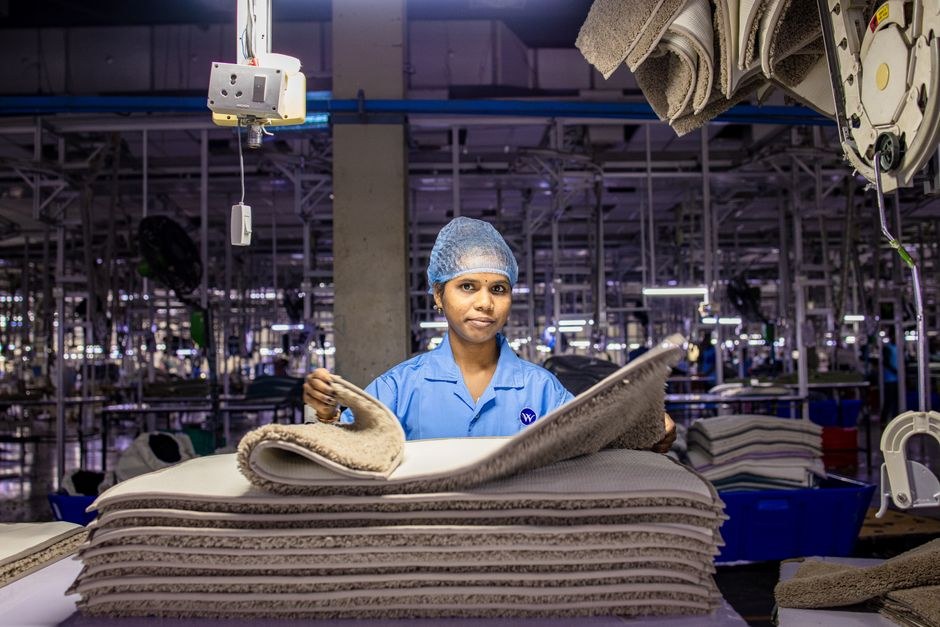
First order from a cotton slippers manufacturer? Focus on these selection criteria to avoid costly mistakes and build a reliable supply partnership.
Your first order from a cotton slippers manufacturer sets the tone for everything that follows. Get it wrong and you lose money, time, and confidence in the supply chain. Get it right and you have a partner who can scale with you. The challenge is that most buyers—especially first-timers—focus on price and lead time, while the factors that actually determine success are less obvious. This guide walks through the criteria that matter when you have no prior relationship and limited leverage.
Start with the factory's core competence, not its catalogue
Many suppliers list cotton slippers alongside hundreds of other products. That breadth is a warning sign, not a strength. A true cotton slippers manufacturer will have focused production lines, dedicated material sourcing, and a workforce trained on the specific construction details that make a difference—from stitching density to sole attachment. When you request samples, ask directly: what percentage of your output is cotton slippers? If the answer is vague or small, keep looking. You want a factory where your product is central to their business, not a sideline.
Also, distinguish between OEM and ODM capability. If you plan to sell under your own brand with custom labels and packaging, you need OEM cotton slippers experience. Ask for examples of previous OEM work (without naming clients) and how they handle custom trims, embroidery, and packaging. A factory that only does ODM—offering existing designs with your label—may struggle with the customization you need.
Vet communication and responsiveness before you commit
You will spend months exchanging emails, spec sheets, and sample feedback with this factory. If they are slow or evasive during the inquiry stage, that behavior will only worsen once you have paid a deposit. Test them early: send a detailed inquiry with a few technical questions. Do they answer every point, or do they cherry-pick the easy ones? Do they respond within 24 hours? Do they ask clarifying questions about your market and target price? A good manufacturer acts like a consultant—they want to understand your business, not just quote a price.
Language matters too. If their English is weak, is there a dedicated export salesperson who can bridge the gap? Miscommunication on specifications is one of the most common causes of first-order failures. A factory that invests in clear communication is worth a slightly higher unit price.
Assess quality systems with a sample in hand
Certificates on a wall are not quality. You need to see and feel the product. Order samples from two or three shortlisted factories, using the same specifications. Compare stitch quality, symmetry, material hand-feel, and sole flexibility. Then wash the samples according to your market's typical care instructions—most cotton slippers should survive at least a few cycles without shrinking or color bleeding. A factory that cannot produce a consistent sample will not produce a consistent bulk order.
During sample evaluation, ask about their in-line and final inspection procedures. Do they have dedicated QC staff, or is quality checked by production workers? What is their defect rate threshold? How do they handle pre-production samples and golden samples? If they cannot explain these processes clearly, they likely lack formal quality control. For a first order, consider budgeting for a third-party inspection—it is a small cost that protects a large investment.
Check references and financial stability
Ask for two or three references from buyers in similar markets. A reputable factory will provide them. When you contact references, ask about on-time delivery, defect rates, and how the factory handled problems. Problems will happen; what matters is how they are resolved. Also, request a video tour of the production floor (or visit in person if feasible). Look for organized workflows, adequate lighting, and modern equipment. A disorganized factory will produce disorganized results.
Financial stability is harder to assess, but you can check basic business licenses and years in operation. Factories that have been around for a decade have weathered downturns. If possible, use a sourcing agent or a local contact to verify the factory's reputation in the industry.
Understand the true cost beyond unit price
First-time buyers often fixate on the quoted unit price. But the landed cost includes MOQ, payment terms, packaging, shipping, and potential duties. A factory with a low price but high MOQ and strict deposit terms may be less attractive than one with a slightly higher price and flexible terms. Ask for a full cost breakdown: what is included in the quote, and what extra charges might apply for custom labels, polybags, or cartons? Clarify who bears the cost of sample development and courier fees.
Also, consider the factory's capacity and lead time reliability. A factory that promises 30 days but routinely delivers in 45 will disrupt your launch. Ask for their current production schedule and how they prioritize new customers. A smaller factory might offer more flexibility and attention, while a larger one may have better systems but less willingness to accommodate small first orders.
Negotiate a trial order that protects both sides
Your first order should be a trial, not a bet-the-business commitment. Negotiate a MOQ that lets you test the market without excessive inventory risk—perhaps a few hundred pairs across two or three styles. Some factories will accept a lower MOQ if you agree to a higher unit price or a longer lead time. Be transparent about your plans: if the trial goes well, you intend to place larger, repeating orders. That future potential is your leverage.
Structure payment to protect yourself: a deposit is standard, but try to tie the balance to pre-shipment inspection or bill of lading. Avoid paying the full amount upfront. And insist on a pre-production sample approval before mass production begins. This step alone prevents many first-order disasters.
Make the decision and manage the relationship
After you have compared factories on competence, communication, quality, cost, and flexibility, choose the one that feels most like a partner—not just a vendor. The lowest price is rarely the best value for a first order. Once you have placed the order, stay engaged: request regular production updates, review inspection reports, and give clear feedback. A good manufacturer will appreciate a buyer who is organized and communicative, and that goodwill translates into better service on future orders. Your first order is the foundation; build it carefully.