Blister Packaging vs Poly Bags for Bulk House Slippers Wholesale Buyers
2026-10-24 · slipper packaging,blister packaging,poly bags,wholesale slippers,buyer guide
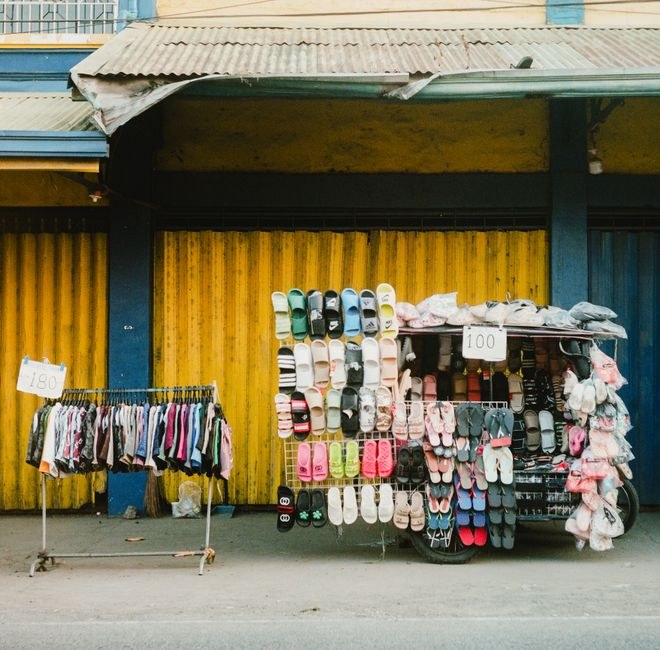
Blister packs or poly bags for bulk house slippers? Compare cost, breakage, retail scan and shelf appeal before you commit your wholesale order to one format.
Most slipper packaging decisions get made by default: the factory quotes what it usually runs, the buyer nods, and the format is locked in for the whole order. That is a mistake. The choice between blister packaging and poly bags changes your unit cost, your damage rate, your retail partners' willingness to take the product, and how quickly a store can get it onto a shelf. For a bulk order of house slippers, it deserves a deliberate decision rather than a line item you gloss over.
What each format actually is
Blister packaging seals the slipper against a printed card or a clear front, often with a hang hole. It is rigid enough to stand or hang, shows the product through the plastic, and protects the shape during transit. Poly bags are the opposite: a printed or plain PE bag, sometimes with a header card, sometimes with a euro hole, sometimes sealed flat. They are cheap, light and flexible, and they take up very little cube.
Neither is universally better. They solve different problems, and the right answer depends on where your slippers are going.
Cost per unit and total landed cost
On a like-for-like basis, poly bags are the cheaper format. The material is inexpensive, the printing is simple, and the packing step is fast. Blister packaging adds the printed card, the plastic, the sealing step, and usually a higher reject rate at the sealing station. If your product is a high-volume, low-margin commodity slipper, a plain poly bag with a simple label is often the most sensible choice.
But the unit price is not the whole story. Blisters protect the slipper's shape better, so you may see fewer crushed heels and deformed uppers after a long sea journey. Poly bags, packed tightly into a carton, can compress the slipper and leave creases that a retail buyer will reject. If your slippers have a structured heel or a shaped footbed, that damage can wipe out the savings on the bag. Ask your cotton slippers manufacturer to quote both formats with realistic carton quantities, because the pack format also changes how many units fit in a container.
Retail scan and shelf considerations
If you sell to supermarkets, discount chains or drugstore-type retailers, packaging is not just protection — it is a barcode carrier and a shelf-facing unit. Blister packs with a printed card give you a flat, scannable surface and a consistent silhouette that hangs neatly on a peg. Poly bags can work, but they need a stiff header card and a barcode placed where a scanner can read it without the bag folding.
There is also the theft and tamper question. A sealed blister is harder to open and reseal than a poly bag, which matters in open-shelf environments. For a brand selling through boutique or online channels, a poly bag inside a branded mailer may be perfectly acceptable — even preferable, because it is lighter and cheaper to ship. The point is to match the format to the channel, not to the factory's default.
Breakage, moisture and transit risk
Both formats have failure modes. Blister seals can pop in a humid container; the card can warp, and the plastic can crack in cold conditions if the gauge is too thin. Poly bags can trap moisture if the slippers are packed before they are fully dry, leading to mildew — a problem that shows up weeks later, often after the goods have changed hands.
For either format, confirm three things with your supplier:
- Whether a desiccant or ventilation slit is used, and under what humidity conditions.
- The plastic gauge or bag thickness, and whether it is specified in the purchase order.
- How the carton is packed-out — how many units per inner and per master carton — because that determines compression and damage.
A good OEM footwear manufacturer will have a standard answer for these; a weak one will improvise. If the answer is vague, treat it as a warning about the whole order, not just the packaging.
What to decide before you place the order
Treat packaging as part of the product spec, not an afterthought. Before you confirm a bulk order, settle these points in writing:
- Channel first. Decide whether the slippers are for pegboard retail, shelf retail, e-commerce or institutional buyers. Each has a different tolerance for format.
- Quote both formats. Ask your factory for a side-by-side price with carton quantities, so you see the effect on freight as well as unit cost.
- Specify the material and print. Bag thickness, card stock, barcode placement and hang-hole size should all be in the tech pack, not agreed verbally.
- Test the format in a sample. Have a small batch packed in the chosen format and ship it by air. A crushed carton or a popped blister found at that stage costs far less than one found at the port.
- Confirm the packing line. Blister sealing is a different line from bagging. Make sure your MOQ and lead time reflect the format you choose, and that the factory has the equipment in-house rather than subcontracting it.
The packaging decision is one of the few on a slipper order that is cheap to change early and expensive to change late. Spend an hour on it before you sign, and you will avoid a container of product that looks right in the sample room and wrong on the shelf.