Auditing Hand-Stitching Workmanship in Embroidery-Heavy Slippers
2026-10-28 · embroidery slippers, quality control, hand-stitching, buyer guide, inspection
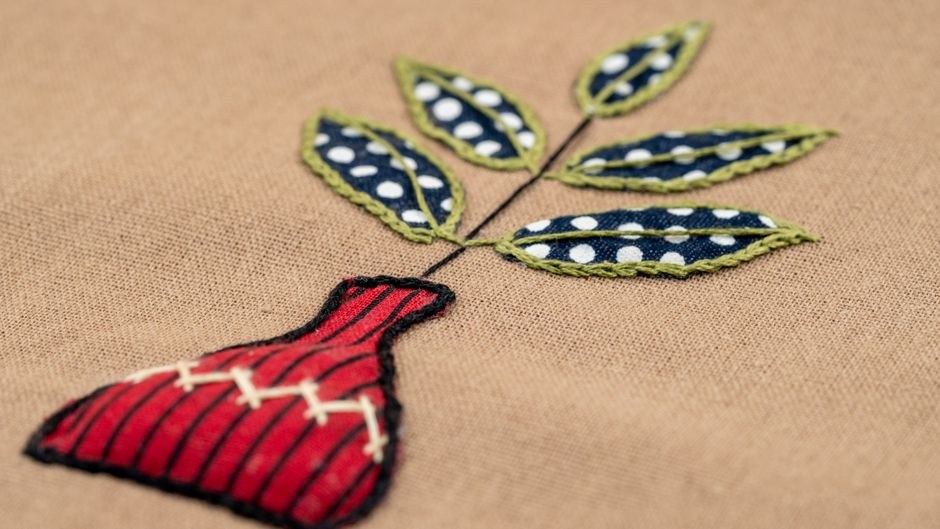
A buyer's guide to inspecting embroidery, applique and hand-stitched slippers: what to check, how to sample, and how to write pass/fail limits into the order.
Embroidery and hand-stitched slippers fail audits on visible workmanship, not hidden construction. Set written pass/fail limits before production and inspect against them at sample, in-line and pre-shipment stages.
Why handwork needs its own inspection standard
Most slipper inspection checklists are built for seams, sizing and bonding. Embroidery-heavy styles break those checklists because the defects that matter are visual: a shifted motif, a loose thread tail, a puckered vamp, a logo stitched two millimetres off centre. A pair can pass every structural test and still look wrong on a retail shelf.
That is why the workmanship standard belongs in your order documents, not just in your head during a factory visit. The buyer's job is to convert taste into measurable limits the factory and the inspector can both apply. If you are developing a custom embroidered program, treat the approved sample as the workmanship reference and photograph it under consistent lighting from front, side and top.
Two practical consequences follow. First, handwork variation is normal; zero tolerance for any deviation will make the order unshippable. Second, the limits must be written down, because an inspector who is told to "check the embroidery looks good" will produce an opinion, not a result. Auditing Hand-Stitching Workmanship in Embroidery-Heavy Slippers is the discipline of turning that opinion into a repeatable check, and it applies from the first sample onward.
What to inspect on embroidery, applique and hand stitching
Build the checklist around defects a consumer would notice in the first ten seconds. The list below is a starting point; adjust it to the style and price point.
- Motif placement and alignment: measure the distance from the motif edge to a fixed reference such as the vamp centreline or collar seam. State an allowance in millimetres on the tech pack.
- Thread tails and trims: loose tails on the inside or outside, unclipped jump stitches, and thread ends visible through open-weave cotton.
- Puckering and distortion: the fabric around dense embroidery should lie flat. Rippling that does not relax after light hand pressing is a defect.
- Density and coverage: thin patches where the base fabric shows through, or heavy areas that stiffen the vamp.
- Colour and shade consistency: thread lot variation between left and right slipper, or between pairs in the same carton.
- Applique edges: raw or fraying edges, uneven satin borders, and gaps where the applique meets the base fabric.
- Hand-stitched finishing: uneven stitch length, skipped stitches, and visible knots on the outside.
- Backing and stabiliser: scratchy or stiff residue against the foot, and backing that shows at the opening.
Keep the checklist to one page. An inspector working through forty items will rush the ones at the bottom, and embroidery is usually near the top of what the customer sees.
Sampling, AQL and how to set pass/fail limits
The approved sample is the anchor, but a single pair is not enough to define acceptable variation. Ask for a production sample from the actual embroidery machine and thread lot that will run your order, ideally two or three pairs. Compare them to the gold sample and record the natural spread: placement drift, density variation, minor shade differences.
Then set limits in three tiers, which is the practical core of Auditing Hand-Stitching Workmanship in Embroidery-Heavy Slippers:
- Critical: wrong logo, wrong colourway, reversed motif, or a defect that makes the pair unsellable. Zero acceptance.
- Major: visible placement error beyond the stated allowance, loose thread tails over a set length, puckering that does not press out. Accept on a defined AQL level.
- Minor: small trims, slight density variation, faint shade differences within an approved thread range. Accept at a looser AQL level.
For embroidery-heavy styles, many buyers run a tighter AQL on visual defects than on structural ones, because the visual defect is what triggers the return. Whatever levels you choose, put them in the purchase order and confirm the factory's QC team uses the same definitions. The limits are as much a contract question as a production one.
Inspection timing matters too. Catch placement drift at in-line inspection, when the embroidery unit can still be adjusted, rather than at pre-shipment when the cartons are sealed. A mid-order check on the first finished carton is usually enough to confirm the machine setup is stable.
Working with the factory before the first stitch
Most embroidery disputes trace back to an incomplete tech pack. Before production, confirm the following in writing:
- Digitised file version and stitch count, with the approved sew-out signed and dated.
- Thread brand, colour references and acceptable shade tolerance.
- Backing and stabiliser specification, including what touches the foot.
- Placement measurements with tolerances, taken from a fixed seam or pattern point.
- Who owns the digitised file, and whether it can be reused on future orders.
Ask the factory to show you a sew-out on the actual base fabric, not on test cotton. Terry, velour and brushed fabrics behave differently under dense stitching, and a motif that sits flat on plain cotton may pucker on a plush surface. If the factory cannot produce a clean sew-out on your fabric, the design needs adjustment before bulk, and Auditing Hand-Stitching Workmanship in Embroidery-Heavy Slippers should guide that decision.
Rule of thumb: if you cannot describe the defect in one sentence and measure it with a ruler or a colour reference, it is not yet an inspection criterion.
Practical closing advice for buyers
Treat handwork inspection as a short, repeatable routine rather than a one-off negotiation. Approve a gold sample, photograph it, write a one-page visual checklist with measurable limits, and agree the AQL tiers in the purchase order. Book an in-line check on the first finished carton and a pre-shipment check against the same checklist.
When defects appear, separate the cause before you argue about the remedy. Placement drift is usually a machine or hooping issue; shade variation is usually a thread lot issue; puckering is usually a backing or fabric issue. Naming the cause makes the corrective action specific and keeps the conversation commercial rather than personal.
Finally, keep a defect photo log across orders. Over two or three seasons it becomes the most useful document in your sourcing file, because it shows whether the factory is improving or repeating the same handwork problems.