Shipping Cotton Slippers from China: Air vs Sea Freight Cost Analysis
2026-10-18 · shipping,freight,logistics,cotton slippers,buyer guide
Compare air and sea freight for cotton slippers from China: cost drivers, break-even logic, and how to choose based on order size, timing, and margin.
Air freight for cotton slippers almost never makes sense as a routine choice. The exceptions are narrow and specific: a retail launch you can't push, a reorder that has to hit a shelf date, or a sample run you need in buyers' hands before a trade show. For everything else—your standard wholesale replenishment—sea freight wins on cost, and the interesting question isn't whether air is more expensive but where the break-even sits for your margin structure.
Why Cotton Slippers Are Sea-Freight Cargo by Default
Cotton slippers are light, bulky, and low value per cubic meter. That combination is the worst possible profile for air freight. Airlines charge by chargeable weight—the greater of actual weight and volumetric weight—and slippers cube out long before they weigh out. A carton of plush house slippers might weigh a few kilos but occupy a substantial volume, so you pay for air space you're not using efficiently.
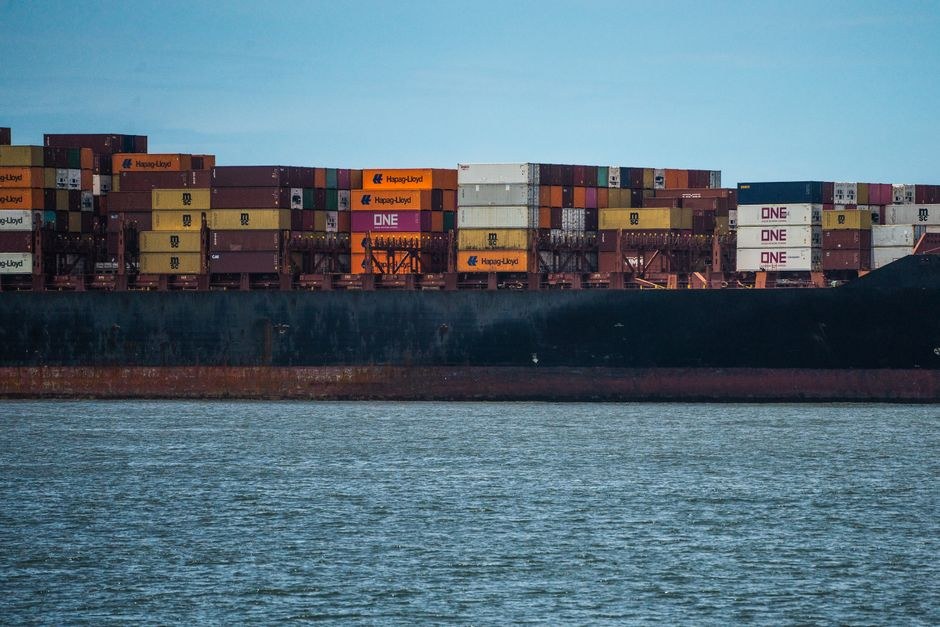
On the water, the same carton costs a fraction. The trade-off is time: roughly a month door-to-door versus under a week by air. For a product with a seasonal selling window, that month changes how you plan, but it rarely changes the fundamental economics. Sea freight is the default for wholesale cotton slippers; air is a contingency tool.
What Actually Drives Your Freight Cost
Buyers often ask for a per-pair freight number too early. Freight doesn't scale per pair; it scales per shipment, and several variables move the total more than the mode itself.
- Volume and packaging efficiency. How many pairs fit per carton determines your total cubic meters. A factory that compresses packaging or uses smaller cartons can cut your sea freight cost meaningfully without touching the unit price.
- Chargeable weight ratio. The lighter and bulkier your slippers, the worse air freight looks. Compare actual weight to volumetric weight before you consider air at all.
- Port pair and inland legs. Origin charges, destination charges, and trucking to the warehouse often exceed the base ocean rate on smaller shipments. A cheap rate from Ningbo to a US port can still land with a surprising invoice.
- Seasonality and capacity. Rates spike before peak season and around holidays. If you're shipping winter slippers in a rush during a capacity crunch, air quotes you received a month earlier may no longer apply.
- Incoterms and who books. Under FOB, the buyer controls the forwarder and sees the real cost. Under DDP, the supplier quotes a bundled number and you lose visibility. For a cotton slippers manufacturer relationship, FOB is usually the cleaner starting point.
How to Run the Air vs Sea Comparison Properly
Don't compare air and sea freight rates in isolation. Compare total landed cost per pair under each mode, including the cost of the inventory sitting in transit and the risk of missing a selling window.
A practical method:
- Have your factory provide carton dimensions and gross weight per carton, not just unit weight.
- Calculate total chargeable weight and total cubic meters for the order.
- Request forwarder quotes for both modes, door-to-door, with all surcharges itemized.
- Divide each total by the number of pairs to get a per-pair freight cost.
- Add the carrying cost of the extra transit time under sea freight—cash tied up in inventory for several weeks.
- Compare that total against the margin you lose by missing the shelf date, or the markdown risk if stock arrives late.
For say a mid-size supermarket chain ordering private-label house slippers for a winter promotion, the sea freight per-pair cost may be a small fraction of the air figure. Even after adding carrying cost, sea still wins unless the promotion date is already at risk. For a small brand testing a new design with a few hundred pairs, the air premium may be tolerable relative to the cost of a delayed launch—but the per-pair number will look ugly, and that's fine if you're buying speed, not efficiency.
Air freight doesn't reduce your unit cost; it buys you time. Price that time explicitly before you decide.
Popular but Misleading Shortcuts
One common error is using a freight forwarder's online calculator as the basis for a sourcing decision. Those tools give a rough indication but rarely capture destination charges, customs clearance, or the difference between port-to-port and door-to-door. Another is assuming that consolidating air shipments with other suppliers reduces cost meaningfully—it can, but the handling complexity and delay risk often offset the saving.
Also be cautious with air express for bulk house slippers wholesale orders. Express services are priced for parcels, not pallets, and the per-kilo rate escalates quickly. If you need speed, a consolidated air freight shipment through a forwarder is usually more economical than courier, but still several times the sea cost.
Practical Advice for Your Next Shipment
Plan sea freight as your baseline and treat air as an exception you budget for deliberately. Build your order calendar so that production finishes at least six to eight weeks before your in-store date, leaving room for ocean transit, customs, and inland delivery. Negotiate packaging efficiency with your cotton slipper factory—smaller cartons and flat-packing where the product allows can lower your sea freight cost without changing the product.
Get freight quotes from at least two forwarders and ask for a full cost breakdown, not a single rate. Keep a simple landed-cost model in a spreadsheet and update it each season, because freight rates move. And when you do choose air, document why: which date you were protecting, what it cost per pair, and whether the margin held. That record is what turns a one-off panic decision into a repeatable rule for your business.