Air vs Sea Freight for Cotton Slippers: Cost and Time Guide
2026-10-17 · shipping,freight,cotton slippers,logistics,sourcing
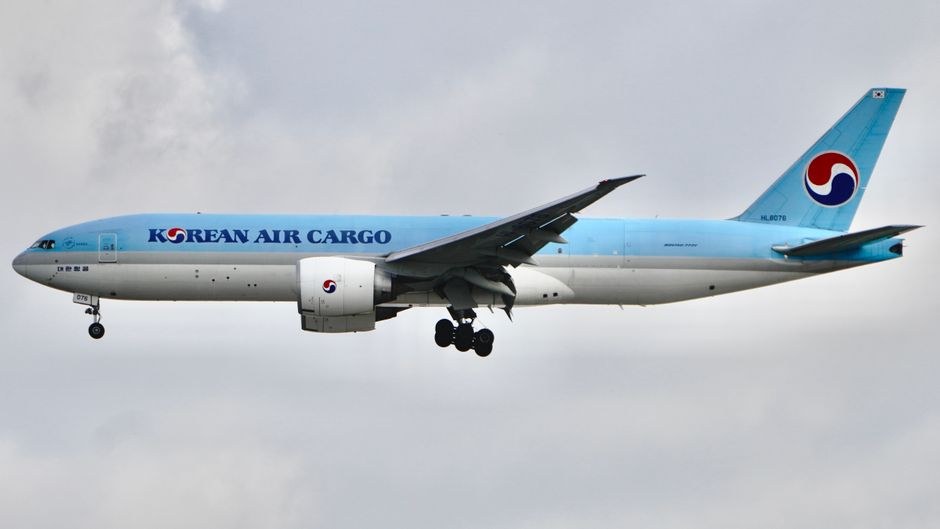
Compare air and sea freight for cotton slippers. Learn cost, transit time, and inventory strategies to choose the right shipping method for your business.
If your cotton slippers miss the winter window, they sit in a warehouse until next year. That single fact drives most freight decisions. But choosing between air and sea isn't just about speed—it's about cash flow, order size, and how much risk you can absorb.
Why Freight Strategy Makes or Breaks Your Slipper Season
Cotton slippers are seasonal. Western retailers place orders months ahead, but demand spikes in Q4. If your shipment arrives late, you're competing with clearance racks. Too early, and you're paying storage on stock that isn't selling yet. The freight method you pick locks in your landing date—and your margin.
Air freight gets goods to market in days. Sea freight takes weeks but costs a fraction per unit. The gap between them isn't small. For a container of slippers, the difference can be tens of thousands of dollars. That's why serious buyers don't default to one mode; they match it to the order's purpose.
Air Freight: Speed at a Premium
Air freight moves your cotton slippers from factory to destination airport in roughly 5–10 days, including customs clearance. For urgent replenishment or high-value, lightweight designs, it's often the only way to stay in stock.
- Transit time: 5–10 days door-to-door.
- Cost: Typically 4–8 times sea freight per kilo, depending on route and season.
- Ideal for: Launch samples, mid-season top-ups, lightweight premium slippers, or when you've underestimated demand.
- Watch out: Dimensional weight—slippers are bulky—can push costs higher than expected. Always get a quote based on carton dimensions, not just actual weight.
Air freight also reduces inventory carrying costs. You order less, more often, and keep cash free. But it's not a long-term solution for bulk. Use it as a tactical tool, not your default.
Sea Freight: The Backbone of Bulk Orders
Sea freight is how most wholesale cotton slippers move. A 20ft or 40ft container can hold thousands of pairs, and the per-unit cost is low enough to protect retail margins. The trade-off is time.
- Transit time: 25–40 days port-to-port, plus inland haulage and customs.
- Cost: Significantly cheaper per unit, especially for full container loads (FCL).
- Ideal for: Seasonal stock, large private-label runs, and any order where you can plan 3–4 months ahead.
- Watch out: Port congestion, blank sailings, and peak-season surcharges. These can add weeks and unexpected costs.
Sea freight demands accurate forecasting. If you're new to a market, start with a smaller sea shipment to test sell-through, then scale. The savings are real, but only if your timing is right.
Cost and Time Trade-Offs: A Practical Comparison
Let's say you're importing 5,000 pairs of cotton slippers from a factory in Ningbo to a warehouse in Rotterdam. The slippers are packed 20 pairs per carton, each carton about 0.08 cubic meters.
- Air freight: Chargeable weight might be 600 kg (volumetric). At $5–8 per kg, that's $3,000–4,800. Transit: 1 week.
- Sea freight (LCL): The same shipment might cost $800–1,200 in freight, but add destination charges and it could reach $1,500–2,000. Transit: 5–7 weeks.
- Sea freight (FCL): If you fill a 20ft container (roughly 28 CBM), freight might be $2,500–3,500. That's about 3,500 cartons—enough for 70,000 pairs. Per-unit cost drops dramatically.
The math is clear: air is for speed and flexibility; sea is for volume and margin. The mistake is using air for a full season's stock—it erodes your profit. The other mistake is using sea for a test order that needed to be in stores last month.
How to Choose: A Decision Framework
Ask yourself these questions before booking freight:
- What's the retail launch date? Work backwards from the date. Add buffer for customs and inland delivery. If sea can't make it, air is your only option.
- What's your order size? Under 5 CBM, sea freight's fixed costs make air more competitive. Over 15 CBM, sea wins on cost.
- What's the product value? High-end slippers with a $30+ retail price can absorb air freight. Budget slippers at $10 retail cannot.
- How certain is demand? For a new design or market, air freight lets you test with less inventory risk. For proven bestsellers, sea freight keeps you profitable.
- What's your cash flow? Air freight requires paying sooner but reduces storage and markdown risk. Sea freight ties up cash in transit inventory.
Many buyers use a hybrid: sea freight for the bulk of the order, air freight for a small initial batch to seed the market or cover a promotion. This balances cost and speed.
Practical Tips for Optimizing Slipper Freight
- Consolidate shipments: Combine multiple orders from different suppliers into one container to maximize space.
- Compress packaging: Ask your cotton slipper manufacturer to vacuum-pack or use flat cartons. Reducing volume cuts both air and sea costs.
- Book early: Peak season (August–October) brings surcharges and space shortages. Lock in rates 2–3 months ahead.
- Consider rail: For Europe-bound cargo, rail from China can be a middle ground—faster than sea, cheaper than air. But capacity is limited, so plan ahead.
- Work with a freight forwarder who knows slippers: They understand the volumetric weight game and can advise on the best mode for each order.
Make the Freight Decision Part of Your Sourcing Strategy
Freight isn't an afterthought—it's a lever you can pull to improve margins and reduce risk. Start by mapping your sales calendar. For each order, calculate the true landed cost for both air and sea, including hidden charges like customs brokerage and inland delivery. Don't just compare the headline freight rate.
If you're placing a first order with a new cotton slippers manufacturer, consider air freight for a small trial run. Once sales data confirms demand, switch to sea for the repeat order. This staged approach protects your cash while you validate the product.
Finally, keep your supplier in the loop. A factory that knows your freight timeline can prioritize production and coordinate pickup. That collaboration often saves more than negotiating a few cents off the unit price.