Air Freight for Cotton Slippers: When Speed Justifies the Cost
2026-10-20 · air freight, cotton slippers, shipping, wholesale, buyer guide
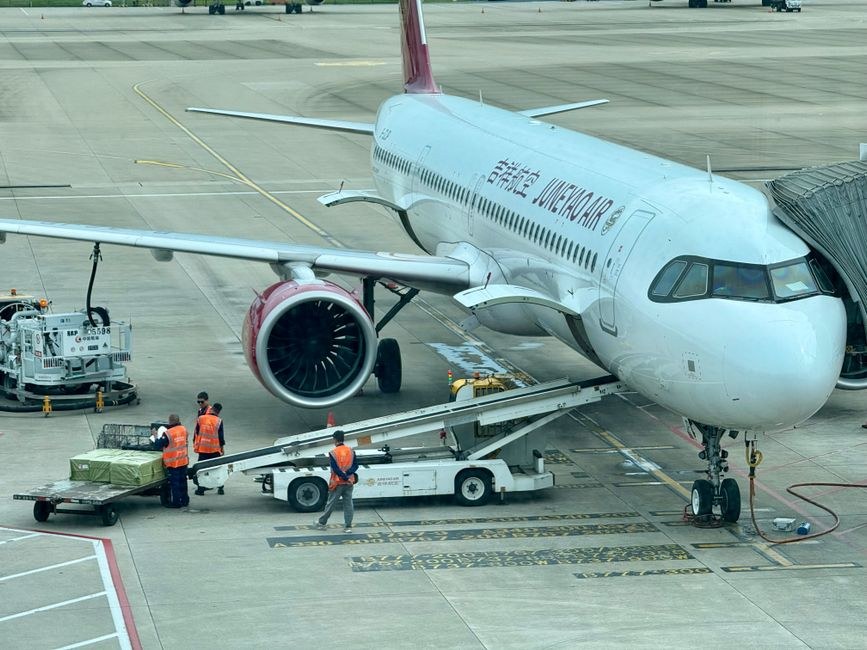
Air freight for cotton slippers is rarely cheap, but for urgent or high-value orders it can protect margins. Here's how to decide.
Air freight for cotton slippers is almost never the default. Sea freight is cheaper per cubic meter, and slippers are bulky but light, so the cost gap is wide. Yet I've seen buyers pay for air and come out ahead. The judgement call is whether the extra freight cost is smaller than the margin you lose by being late. That's a calculation, not a rule of thumb.
This article walks through the scenarios where air freight makes sense, how to run a break-even comparison against your own numbers, and the mistakes that make air freight a waste of money.
When Air Freight Is the Wrong Tool
Starting with the negative case is useful because most slipper orders should go by sea. Cotton and plush house slippers are low-value, high-volume goods. A container of slippers rarely justifies the air premium unless something else is at stake.
Air freight is usually the wrong choice when:
- You're restocking core styles mid-season. The sell-through is already known; a few weeks' delay rarely kills the margin. Sea freight wins.
- Your order is large. Freight scales with volume, and a full container by air is rarely cost-effective for slippers.
- You're testing a new design. It's better to order a small sea shipment later than to rush a big air shipment of an unproven style.
- You haven't calculated the landed cost. Air freight can turn a healthy margin into a thin one if you haven't done the math.
If your situation resembles any of these, stop reading and book sea freight. The rest of this article is for buyers facing a genuine trade-off.
The Scenarios Where Air Freight Pays Off
There are four situations where the air premium is usually justified. They share a common trait: the cost of being late is higher than the cost of flying.
1. A retail launch or promotion is already committed
Say a mid-size supermarket chain has booked a winter promotion and printed flyers with your slipper on the cover. If the goods arrive after the promotion window, the chain cancels the order or demands a markdown. The air freight cost, spread across the order, is small compared to losing the contract or the shelf space.
2. Your stockout cost exceeds the freight premium
Some buyers sell through their entire seasonal stock and face empty shelves for weeks. If your historical sell-through shows that a two-week delay would cost more in lost sales than the air premium, fly the goods. This is common for fast-moving basic styles in peak season.
3. The order is small and high-value
Custom OEM cotton slippers with detailed embroidery, premium packaging, or small-batch colorways can carry a higher unit value. On a small order, the absolute air freight cost stays manageable, and the speed protects a launch or a key account.
4. The sample or approval process has eaten your buffer
If your cotton slippers manufacturer hit a delay in sample approval and the production window is now tight, air freight can recover the schedule without renegotiating delivery dates with your customers. Treat this as a contingency, not a plan.
Running the Break-Even Comparison
Don't decide by feel. Build a simple comparison using your own figures. The worksheet below is a structure, not a set of real numbers.
- Estimate sea freight cost and transit time for the shipment, door to door, including port handling and inland delivery.
- Estimate air freight cost and transit time on the same basis.
- Calculate the premium: air cost minus sea cost.
- Estimate the cost of delay. Use your own sell-through data: expected sales in the weeks you would gain, multiplied by your gross margin, minus any costs you avoid by not holding stock.
- Compare. If the cost of delay exceeds the air premium, air freight is justified. If not, it isn't.
Two refinements matter. First, use your landed cost, not the FOB price, to calculate margins. Second, treat the cost of delay as a range, not a single number, because sell-through is uncertain. If air freight only wins in the optimistic case, it's probably not worth it.
Rule of thumb: air freight is a tool for protecting revenue that is already at risk, not a way to speed up orders that aren't.
Structuring the Order and the Conversation
If you decide to fly, how you structure the order affects both cost and risk.
- Split the shipment. Send the styles that must hit the shelf by air and the rest by sea. Many house slippers wholesale buyers use a partial air shipment for launch quantities.
- Ask your supplier for a quote on both modes. A cotton slipper factory that handles exports regularly should be able to quote air and sea side by side, including the forwarder's charges.
- Confirm packing. Air freight is charged by chargeable weight, so bulky packaging can erase the speed advantage. Ask whether cartons can be compressed without damaging the slippers.
- Check the incoterm. Under FOB, you control the forwarder. Under DDP, your supplier does. For air shipments, controlling the forwarder usually gives you more visibility and better rates.
- Book early. Air capacity tightens in Q4, exactly when winter slippers ship. Last-minute bookings can cost more than the freight itself.
For a buyer placing a winter slippers supplier order under time pressure, the best move is to ask for a split quote before production starts. Deciding after the goods are boxed limits your options.
Practical Advice Before You Choose Air
Before you approve an air shipment, do these five things:
- Run the break-even calculation with real numbers from your own business. Don't accept generic percentages from anyone, including this article.
- Get a written quote from at least two forwarders. Air rates vary more than sea rates, and your supplier's forwarder may not be the cheapest.
- Confirm the delivery date with your customer in writing. Air freight buys you speed; it doesn't guarantee shelf dates if customs or handling delays occur.
- Review the order size. If the air premium per unit is more than a small share of your margin, reconsider whether the order should be smaller and faster instead.
- Record what happened. Note the air premium, the actual delivery date, and the sales outcome. Next season, you'll have a real benchmark instead of a guess.
Air freight is not a sign of a well-run supply chain. It's a corrective tool. The buyers who use it well are the ones who know exactly what they're protecting, and who have already fixed the root cause of the delay before the next order goes out.